






















Spiritual But Not Religious
Many people today identify as spiritual but not religious (SBNR), meaning they believe in a supernatural or spiritual dimension but do not adhere to any specific religious tradition.
The reasoned defense of the Catholic Faith — rooted in Scripture, Tradition, and logic. Here you'll find clear, charitable answers to the most common objections to Catholicism.
8 articles · Search all posts
8 articles

Many people today identify as spiritual but not religious (SBNR), meaning they believe in a supernatural or spiritual dimension but do not adhere to any specific religious tradition.

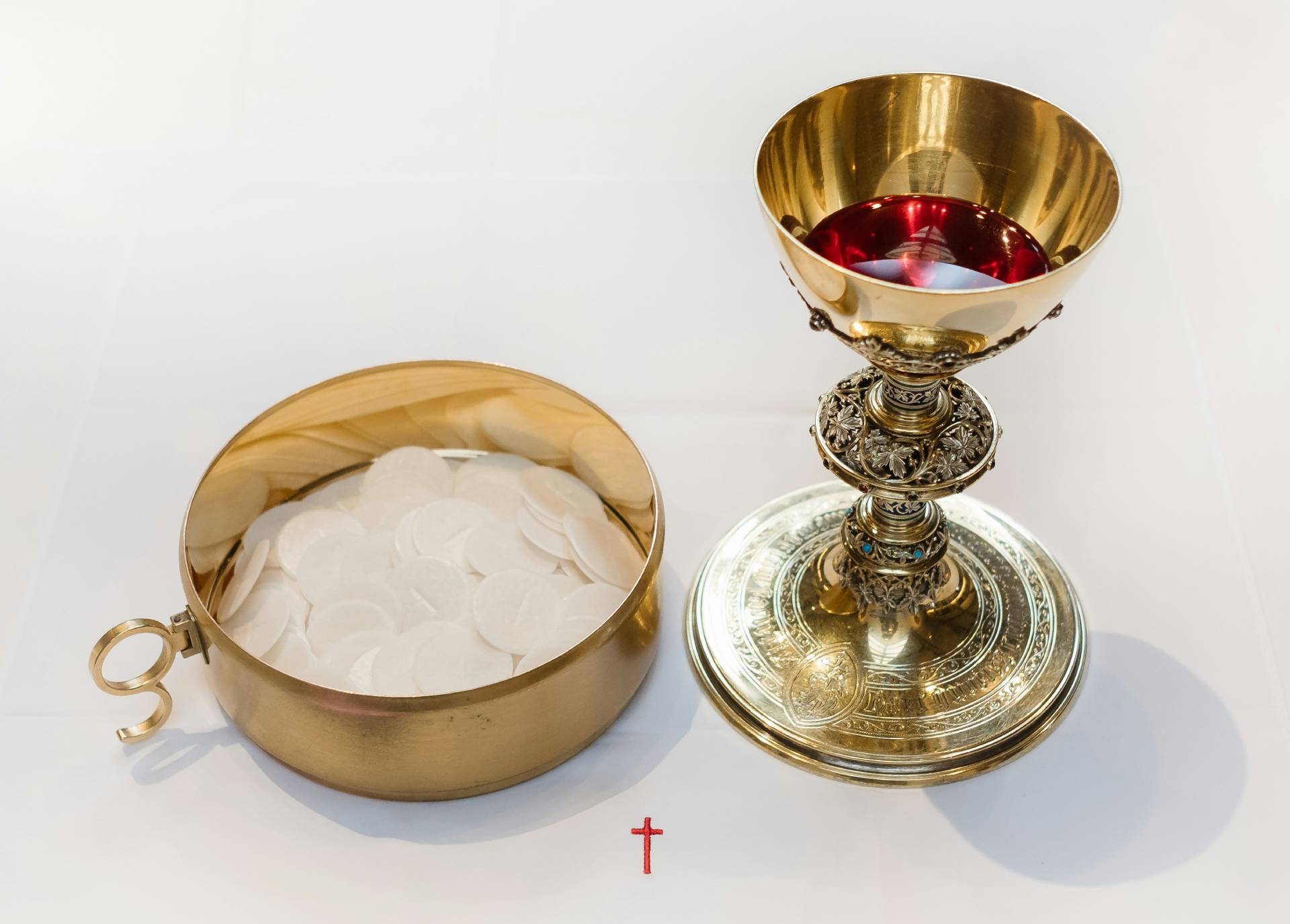
Through the Eucharist, believers actively participate in their faith, becoming living temples of the Holy Spirit and participating in God's eternal covenant.

Though the problem of evil remains a mystery, we can trust that God allows suffering to bring about a greater purpose, whether spiritual growth, justice, love, or eternal reward.

Whether God can create a stone too heavy for Him to lift is based on a misunderstanding of omnipotence and commits a straw man fallacy, which distorts an argument to make it easier to attack.

By praying, we grow in faith, love, and compassion, strengthening our connection with God and our relationships with others.

Jesus' death on the cross was not just about paying a price — it was about transforming us, drawing us back to God, and demonstrating the depth of His love.

Sola Scriptura is self-defeating and cannot be proven by Scripture alone. Christianity was never meant to be based on individual interpretation but on the teachings of Jesus passed down through His apostles and their successors.

Rarity does not equal impossibility. Just because miracles are uncommon or not easily detectable does not mean they cannot happen.