
























Brian Acebo Apologetics
The Problem Of Evil
The problem of evil is one of the oldest objections to belief in God. The Christian answer is not that suffering is an illusion — it is that God permits no evil He cannot turn toward a greater good.
The problem of evil is one of the oldest objections to belief in God, and it deserves a serious answer. If God is all-powerful, all-knowing, and perfectly good, why does evil exist at all? Why does He permit suffering — sometimes on a scale that seems to serve no purpose within a human lifetime?
The honest answer begins with an admission: we do not have complete access to God's purposes. What we can do is examine what reason and revelation together tell us about the relationship between God, evil, and the good He draws from it.
God Permits Evil Because He Draws Good From It
The foundational Christian position is not that evil is an illusion or that suffering doesn't matter. It is that God, being infinitely wise and good, does not permit evil that He cannot turn toward a greater good. Evil exists in the world not because God is indifferent to it, but because He is sovereign over it.
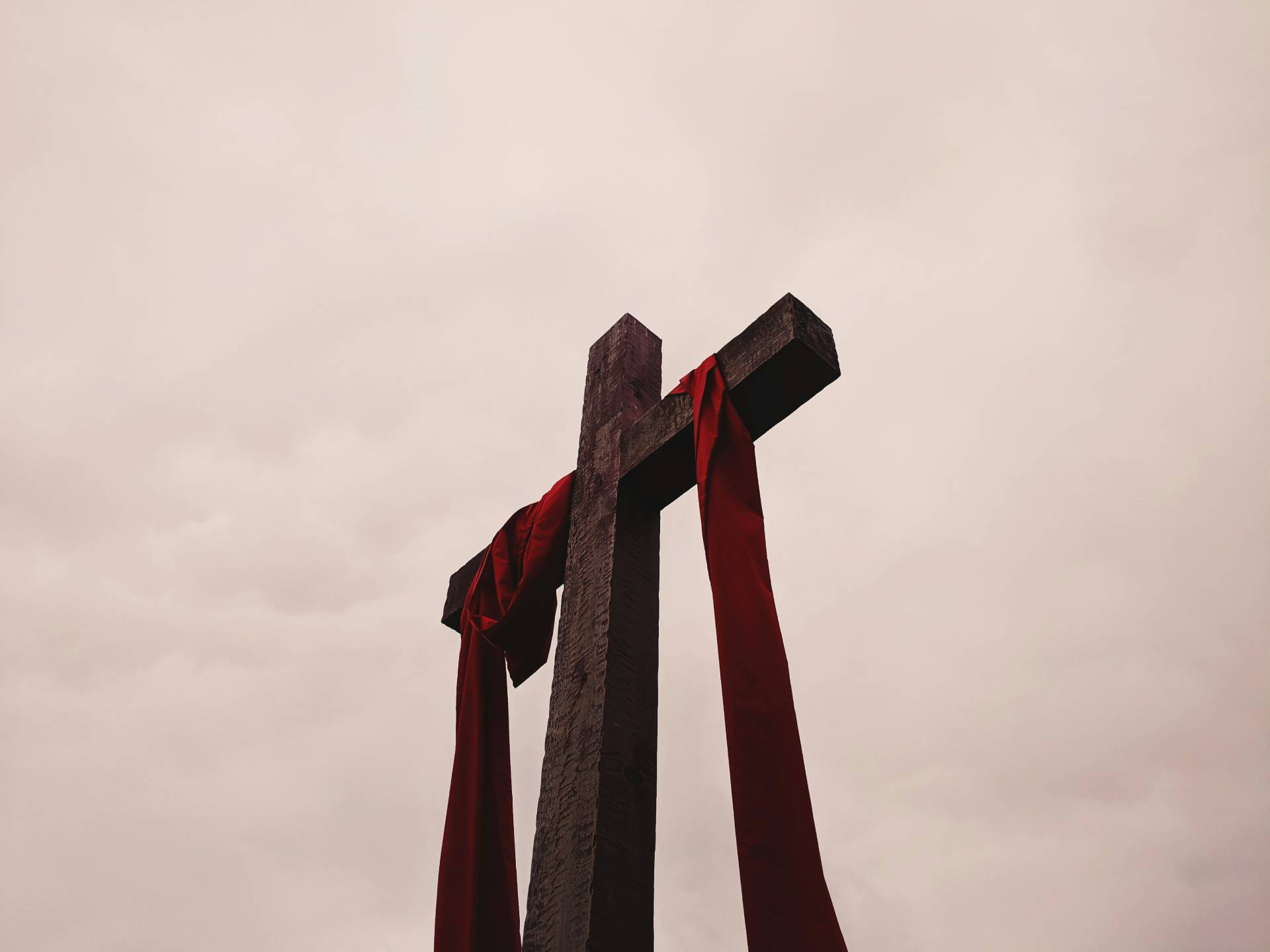
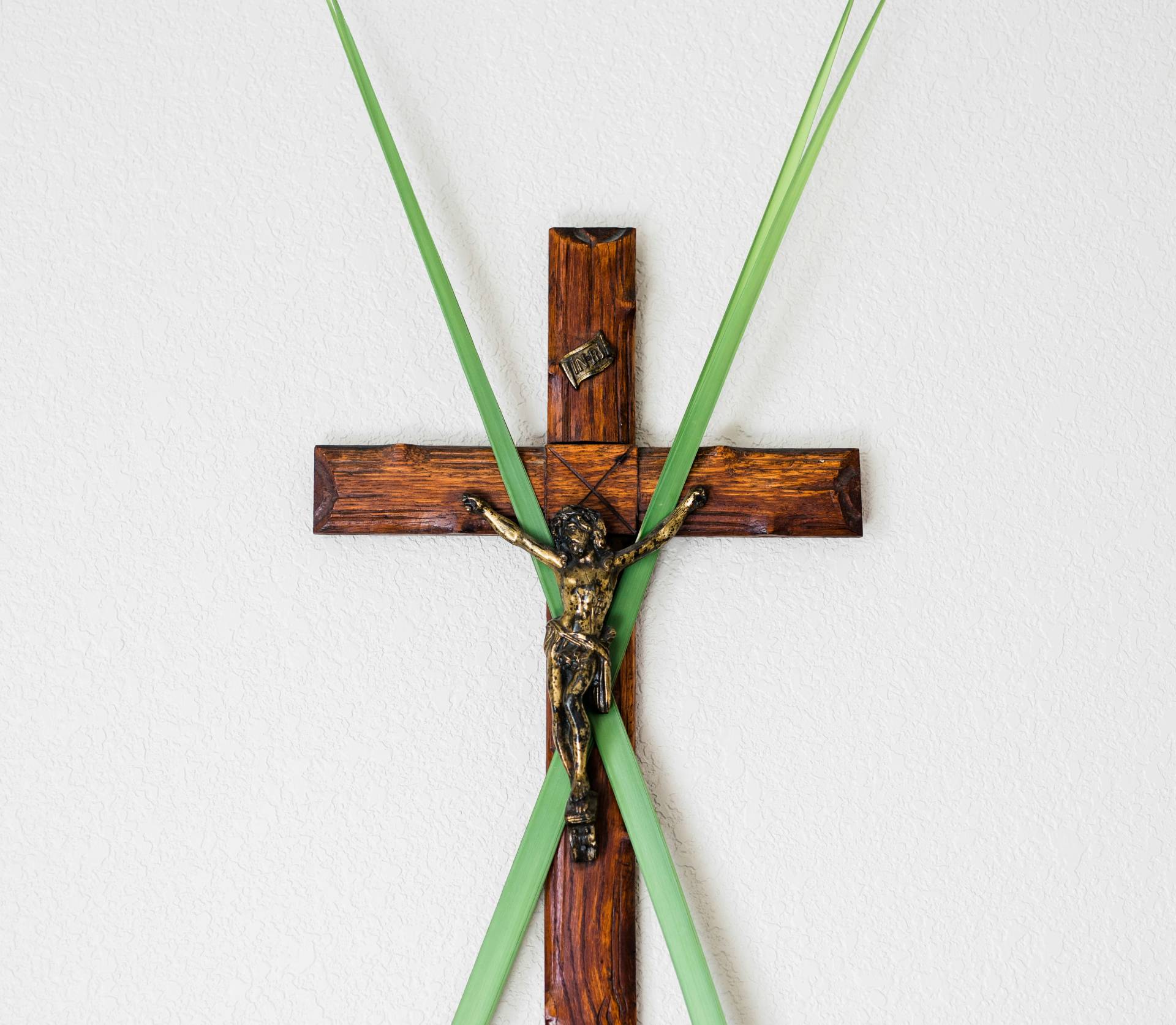
We see this most clearly in the cross itself. The crucifixion of an innocent man is the greatest evil in human history. It is also the source of the world's redemption. God did not merely permit that evil — He entered into it, and transformed it into the definitive good. The pattern of the cross is the pattern of all suffering permitted by God: what looks like defeat from within time looks different from eternity.
Some Evil Is Inherent in a Finite World
John Paul II observed that certain forms of physical evil belong to the very structure of created reality:
"Certain forms of physical evil...belong to the structure of created beings, which, by their nature are contingent and passing, and therefore corruptible. Besides, we know that material beings are in a close relation of interdependence, as expressed by the old saying: 'The death of one is the life of another.' So then, in a certain sense death serves life." — General Audience, June 4, 1986
A predator kills to eat. Living things consume other living things to survive. This is not a moral failure in creation — it is the condition of a finite, interdependent world. The existence of physical evil does not require a morally deficient Creator. It requires a created order that is genuinely distinct from God, which means genuinely limited and genuinely mortal.
Creation Is Still in Progress
The Catechism frames this clearly:
"With infinite wisdom and goodness God freely willed to create a world 'in a state of journeying' towards its ultimate perfection. In God's plan, this process of becoming involves the appearance of certain beings and the disappearance of others, the existence of the more perfect alongside the less perfect, both constructive and destructive forces of nature. With physical good there exists also physical evil as long as creation has not reached perfection." — CCC 310
The world is not finished. We are living inside an unfolding story, not at its conclusion. What looks like evidence against God's goodness from the middle of the narrative may appear very differently at its end — and Scripture consistently promises that its end is restoration, not ruin.
Pain Has a Purpose
Not all suffering is meaningless even within this life. Physical pain functions as a warning system — it signals danger, prevents further injury, and motivates us to address what is wrong. Emotional pain works similarly: fear alerts us to threat, grief teaches us the weight of love, and moral discomfort keeps the conscience alive. A world without pain would be a world in which we could destroy ourselves without knowing it.
Suffering Can Unite Us to God
There is a dimension of suffering that reason alone cannot fully account for — the way it can become, in the hands of grace, a path of deeper union with God. The mystics understood this not as a pious abstraction but as an experienced reality. St. Faustina records Christ speaking to her directly about it:
"Which do you prefer, suffer now for one day in Purgatory or for a short while on earth? I replied, 'Jesus, I want to suffer in Purgatory, and I want to suffer also the greatest pains on earth, even if it were until the end of the world.' Jesus said, 'One is enough; you will go back to earth, and there you will suffer much, but not for long... Know that you will have much, much to suffer, but don't let this frighten you; I am with you.'" — Diary of Faustina, 36
The Christian response to suffering is not stoic endurance or optimistic denial. It is participation — the conviction that suffering united to Christ's own Passion is never wasted, and that the God who entered human pain is the same God who promises to transform it. Evil and suffering are not signs of God's absence. In the hands of a sovereign and loving God, they are the very terrain on which transformation, healing, and deeper union with Him become possible.
May the Lord bless you and keep you.

About the author
I'm a Catholic layman from Fort Lauderdale, Florida. No seminary, no credentials — just a deep love for the Faith and a conviction that ordinary Catholics are called to evangelize.
Related articles
Apologetics
The Perpetual Virginity of Mary: A Complete Linguistic, Historical, and Theological Defense
The perpetual virginity of Mary — the teaching that Mary remained a virgin before, during, and after the birth of Jesus — is one of the oldest and most consistently held beliefs in Catholic and Orthodox Christianity.

Join the community
Subscribe to our weekly newsletter for curated inspiration, delivered to your inbox.
We never share your data. See Privacy Policy for more info.