






















Brian Acebo Catechism & Doctrine
What Is The Catechism Of The Catholic Church?
The Catechism of the Catholic Church is the most complete presentation of Catholic teaching in the modern era — a reference for anyone who wants to understand what the Church believes and why.
The Catechism of the Catholic Church is an authoritative summary of the teachings of the Catholic faith, providing a comprehensive reference for clergy, catechists, and laypeople alike. Published in 1992 under the direction of Pope John Paul II, it is the first universal catechism since the Roman Catechism produced after the Council of Trent in 1566 — and it represents the most complete and systematic presentation of Catholic doctrine in the modern era.
It is not a devotional book, though it nourishes devotion. It is not a theological treatise, though it engages theology seriously. It is a reference — a place to turn when a question arises, a foundation to build on, a map of the whole of Catholic teaching drawn in one place.
The Purpose and Authority of the Catechism
The Catechism exists to educate and to unify. Its goal is to present Catholic teaching clearly and completely, so that what is believed and practiced in one part of the Church is consistent with what is believed and practiced everywhere. It draws on Scripture, Sacred Tradition, the Church Fathers, the councils, and the lived experience of the faithful across twenty centuries.
It is not itself a divinely inspired text — only Scripture carries that designation. But it is an authoritative document, carrying the weight of the Church's ordinary magisterium. When the Catechism speaks, it speaks with the voice of the Church that Christ founded and promised to protect from error in matters of faith and morals.
Structure of the Catechism
The Catechism is organized around four pillars, each corresponding to a fundamental dimension of the Catholic life.
The first part, The Profession of Faith, explains what Catholics believe — working through the Apostles' Creed article by article, covering the nature of God, the person of Jesus Christ, the Holy Spirit, the Church, and eternal life. It is the doctrinal foundation on which everything else rests.
The second part, The Celebration of the Christian Mystery, focuses on the sacraments — the seven sacred rites through which God communicates grace to His people. It explains not only what the sacraments are but why they exist, how they work, and what they accomplish in the life of the believer.
The third part, Life in Christ, addresses Catholic moral teaching. It covers the dignity of the human person, conscience, the virtues, the commandments, and the Church's social teaching. It answers the question of how Catholics are called to live in response to what they believe.
The fourth part, Christian Prayer, explores the meaning and practice of prayer, culminating in a detailed commentary on the Lord's Prayer. Prayer is not treated as an optional supplement to Catholic life but as its necessary breath — the relationship with God without which the rest cannot be sustained.
The Historical Development of the Catechism
The Second Vatican Council (1962-1965) called for a renewal of catechesis — a fresh presentation of the faith that would be faithful to Tradition while speaking clearly to the modern world. The project that resulted took nearly a decade of drafting, consultation, and revision, drawing on bishops and theologians from around the world. The result was a document of remarkable breadth and depth, one that has since been translated into dozens of languages and become a standard reference across the global Church.
The Catechism in Catholic Life
The Catechism is used in seminaries to form priests, in Catholic schools to educate students, in parishes to prepare people for the sacraments, and in homes where families want to understand what they believe and why. It answers the questions that life in a secular world constantly raises — about suffering, about morality, about the meaning of the sacraments, about what happens after death — with the clarity and confidence of a faith that has been thinking about these questions for two thousand years.
It is not a book to read once. It is a book to return to — a reference that deepens with familiarity, a companion for the long journey of a life lived in the faith.
May the Lord bless you and keep you.
About the author
I'm a Catholic layman from Fort Lauderdale, Florida. No seminary, no credentials — just a deep love for the Faith and a conviction that ordinary Catholics are called to evangelize.
Related articles
Apologetics
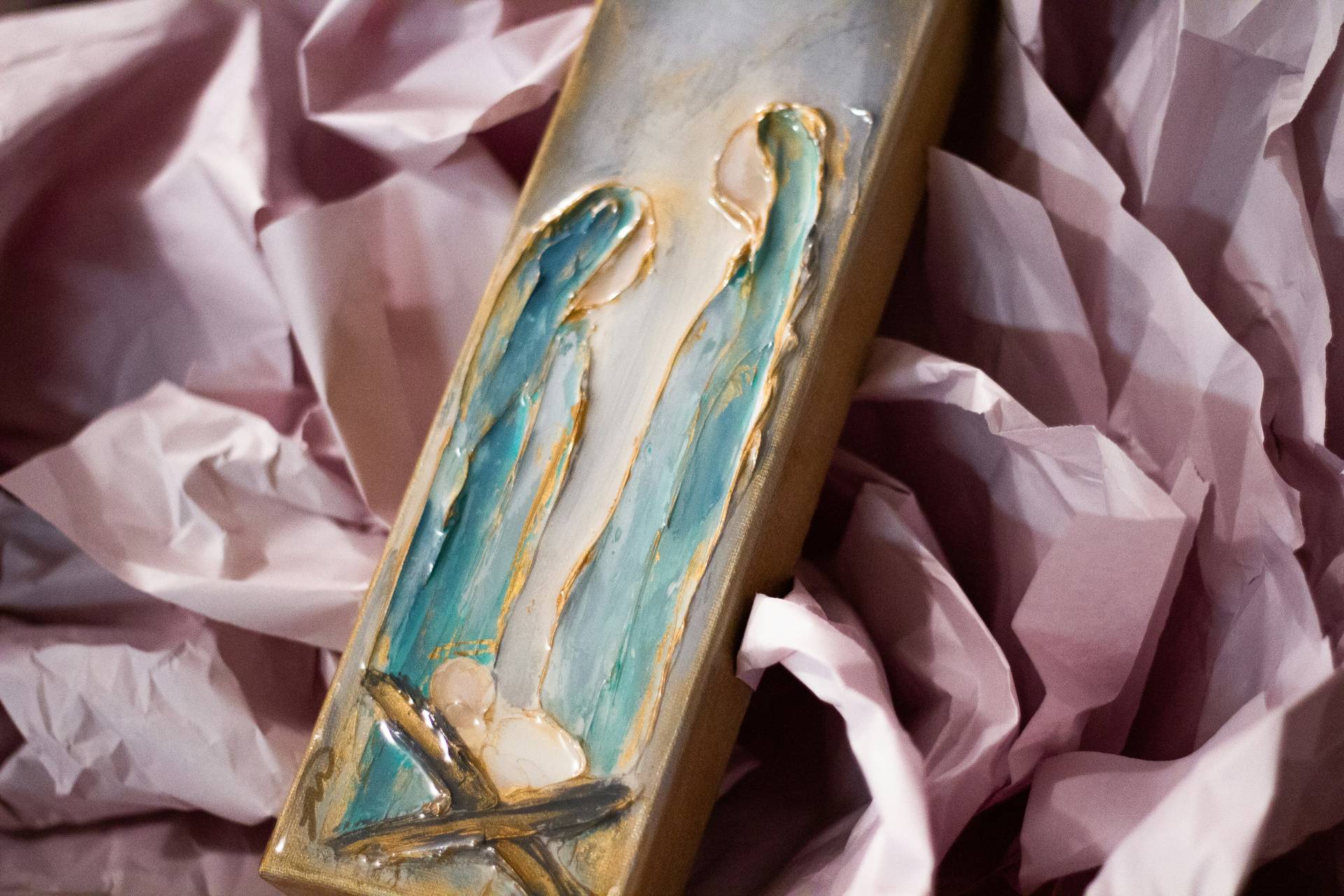
The Perpetual Virginity of Mary: A Complete Linguistic, Historical, and Theological Defense
The perpetual virginity of Mary — the teaching that Mary remained a virgin before, during, and after the birth of Jesus — is one of the oldest and most consistently held beliefs in Catholic and Orthodox Christianity.

Join the community
Subscribe to our weekly newsletter for curated inspiration, delivered to your inbox.
We never share your data. See Privacy Policy for more info.