












The New and Never Ending Passover
The Eucharist is not a memorial of a finished event. It is a meal eaten inside one that has not yet ended.
There is a detail in Luke's account of the Last Supper that is easy to read past but impossible to fully explain away once you have noticed it.
Before Jesus takes the bread and the cup and institutes what the Church will come to call the Eucharist, He says something strange: "I have eagerly desired to eat this Passover with you before I suffer. For I tell you, I will not eat it until it is fulfilled in the kingdom of God." And then, after taking the cup: "From now on I will not drink of the fruit of the vine until the kingdom of God comes."
He stops. Deliberately. In the middle of the meal.
To understand why that matters, you have to understand what He was stopping in the middle of — and what the meal itself was supposed to look like.
The Structure of the Passover
The Jewish Passover is not a casual dinner. It is one of the most precisely structured liturgical events in human history, and its sequence of events was non-negotiable. Exodus 12 lays it out in exact order.
On Nisan 10, the lamb was selected — unblemished, male, set apart and brought into the home. It lived with the family for four days, examined for any defect.
On Nisan 14 at twilight, the lamb was slaughtered.
Immediately after the slaughter, the blood was collected and applied to the wood of the doorposts and lintel using a branch of hyssop. The blood on the wood came before anything else. It was the act that identified the household as belonging to God — the mark that told the destroyer: pass over this one.
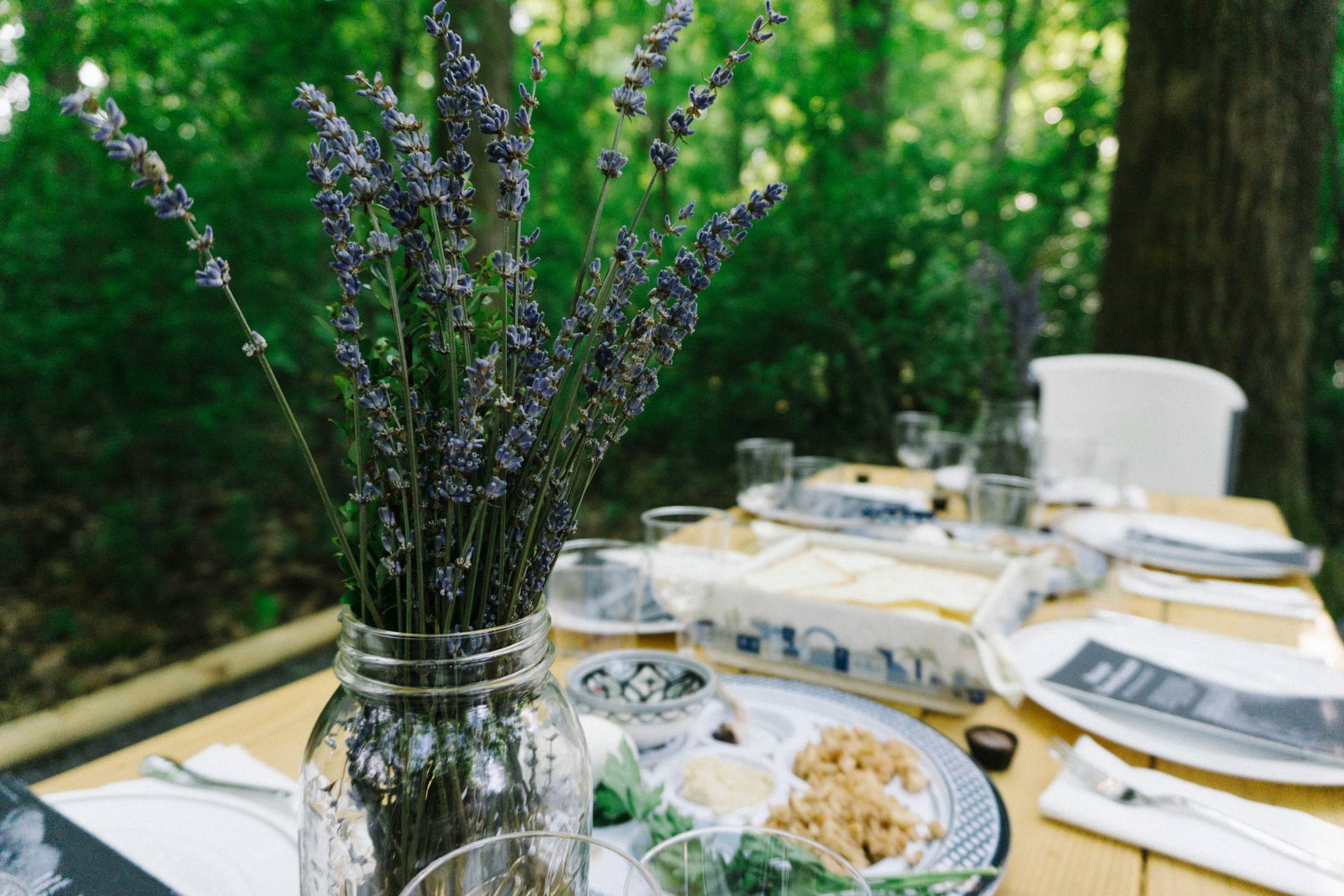
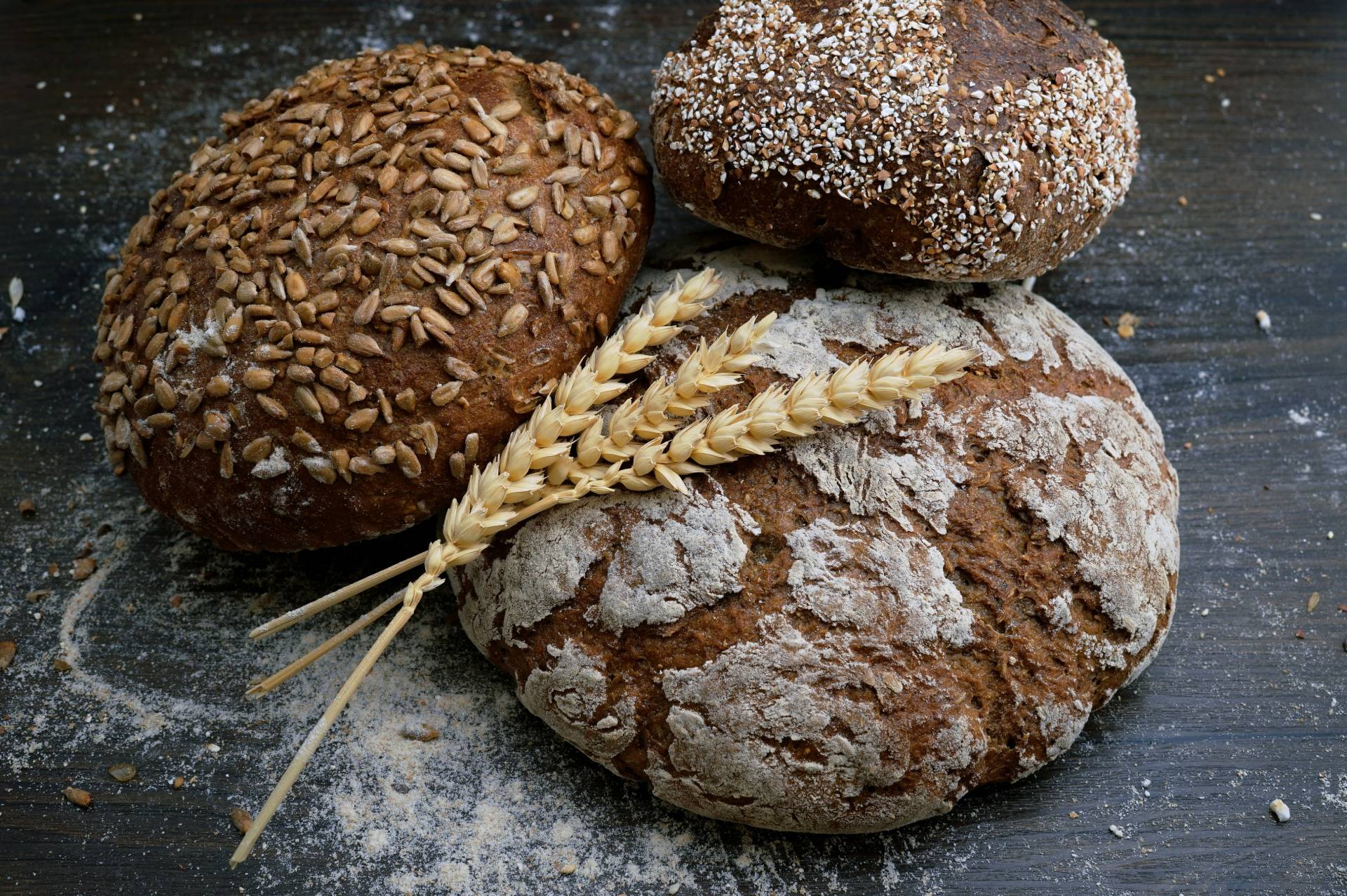
That same night — now Nisan 15 — the lamb was roasted whole, not a bone broken, and eaten with unleavened bread and bitter herbs. The Seder meal followed, structured around four cups of wine corresponding to God's four promises in Exodus 6:6-7.
The first cup — the Cup of Sanctification. "I will bring you out." God sets His people apart. They belong to Him now.
The second cup — the Cup of Deliverance. "I will deliver you from bondage." The plagues. The outstretched arm. The active rescue recounted.
The third cup — the Cup of Redemption, drunk after the meal. "I will redeem you with an outstretched arm." The most solemn cup, drunk in the immediate aftermath of eating the lamb.
The fourth cup — the Cup of Consummation, drunk after the Hallel psalms. "I will take you as my people." The cup of full belonging, completed covenant, the relationship sealed.
The order is fixed. Slaughter first. Blood on the wood second. Meal and cups third. The people ate looking back at a completed act — the lamb already dead, the blood already applied, the rescue already accomplished. You eat what has already been done.
All four cups had to be drunk for the Passover to be complete. The head of the household did not walk away from the table.
Jesus walked away from the table after the third cup.
Jesus Inverts the Order — Deliberately
Here is where the new Passover departs from the old in a way that is not a flaw in the typology but its most precise fulfillment.
In the traditional Seder: slaughter → blood on the wood → meal and cups.
At the Last Supper and the Passion: meal and cups → slaughter → blood on the wood.
Jesus reverses the sequence entirely. He gives the meal first. He takes the third cup — the Cup of Redemption — and calls it His blood of the new covenant before a single drop of that blood has been shed. He gives His disciples the Eucharist before He goes to the Cross. They eat the lamb before the lamb is slain.
This is not a liturgical accident. It is a theological statement of the highest order.
In the old Passover, the meal was eaten after the rescue. You sat down at the table on the other side of the event, eating in the aftermath of what God had already done. The lamb was already dead. The blood was already on the wood. The destroyer had already passed. You ate in remembrance of a completed deliverance.
Jesus refuses that structure. He gives the meal — gives Himself — before the sacrifice is complete. Which means the Eucharist cannot be a memorial of a past event, because the first Eucharist happened before the event it supposedly memorializes. The disciples received His Body and Blood before His body was broken and His blood was shed on Calvary.
The old order says: eat what has already been done.
The new order says: eat what is eternally being done.
This is not a contradiction of the Passover. It is its transcendence. The sacrifice of Calvary does not belong to a moment in time that you look back on. It is eternally present — offered once, present always — and the Eucharist participates in it not as a memory but as a real encounter with a reality that exists outside the sequence of before and after.
The Last Supper Was Not the Whole Passover
The second thing to see clearly is that the Last Supper and the Passion are not two separate events that happen to follow each other. They are one continuous Passover stretched across two days — because the fulfillment was larger than one night could contain.
At the Last Supper, Jesus takes the cup after the meal — the third cup, the Cup of Redemption — and says: "This cup that is poured out for you is the new covenant in my blood." He institutes the Eucharist at precisely this cup. Then He stops. He will not drink again, He says, until the Kingdom comes. They sing the Hallel psalms that belong between the third and fourth cups. They go to Gethsemane.
The fourth cup is left on the table.
The next afternoon, Jesus is crucified. John's Gospel is deliberate about the timing: Pilate hands Jesus over at noon, precisely as the Passover lambs begin to be slaughtered in the Temple. Jesus dies at three o'clock — when the last lamb is killed. John notes explicitly that the soldiers do not break His legs and quotes Exodus 12:46 directly: "Not one of his bones will be broken." The Passover lamb requirement, fulfilled in real time.
And then comes the detail that closes everything. A soldier lifts a sponge soaked in wine to Jesus' lips — on a branch of hyssop.
Hyssop. The exact plant Moses commanded Israel to use when applying the lamb's blood to the wood of the doorpost. In the old Passover, hyssop carried the blood to the wood before the meal. Here, at the new Passover, hyssop carries the wine — the final cup — to the lips of the lamb after the meal, at the moment of death, at the wood of the Cross. The instrument is the same. The wood is the same. The blood is the same. Only now the lamb and the priest and the offerer are all one person.
Jesus drinks. And He says: "It is finished."
The Greek is tetelestai — not merely "it is over" but "it has been brought to its complete fulfillment." The word used on commercial receipts in the ancient world to stamp a debt as paid in full.
The fourth cup has been drunk. On the Cross. The Passover that began in the Upper Room ends on Calvary.
Two Events, One Passover
It is worth making a distinction here that unlocks the whole picture.
The Last Supper and the Passion fulfill two things simultaneously, but they are not the same thing.
The Last Supper institutes a new Passover meal. Just as the original Passover was a meal eaten in remembrance of God delivering His people from Egypt, the Eucharist is a meal eaten in active, participatory anamnesis — a Hebrew liturgical concept meaning not merely to remember but to make present — of God delivering His people from sin and death. Jesus does not update the Passover. He replaces its object. The new Passover no longer remembers the Exodus. It remembers, and makes present, the Resurrection.
The Passion is the sacrifice. Not simply the Passover lamb — though it is that — but the fulfillment of the entire Levitical sacrificial system at once. Jesus is the Passover lamb whose blood marks those who belong to God. He is the sin offering whose blood atones for what we could not atone for ourselves. He is the Yom Kippur sacrifice and the scapegoat together — both the blood shed before God and the sin carried away. The Letter to the Hebrews makes this argument from beginning to end: every sacrificial category in the Law was a shadow. Jesus is what they were all pointing at. He fulfills not one category but all 613 commandments, the entire sacrificial system, the whole Law — at once, in one offering, once for all.
"It is finished" means the sacrifice is complete and unrepeatable. That is closed.
But the Passover meal He instituted — the new one, the Eucharist — is not closed. It is ongoing. And this is what the Church has always known, even when she has not always articulated it in these terms.
What the Eucharist Actually Is
Here is what most people miss about the Eucharist, and what your own intuition probably tells you if you have sat with it long enough.
It is not a memorial of a finished event. And it is not simply a re-presentation of the sacrifice — though it is that too. It is something more precise and more demanding than either of those descriptions.
The Eucharist is a meal eaten inside a Passover that is still in progress.
The ancient Israelite at the Seder was not doing historical commemoration the way we observe a national holiday. The Mishnah says explicitly: "In every generation, each person is obligated to see himself as if he personally left Egypt." Not his ancestors. Him. Present tense. The Passover meal was a liturgical entry into an ongoing reality — God's people are always the people He is delivering.
But even that was a re-entry into a completed event. The Exodus was over. The new Passover is categorically different.
We are not re-entering a completed event. We are inside one that has not ended.
The sacrifice is finished — tetelestai, paid in full. But the Kingdom has not come. Jesus has not drunk the fourth cup with us yet. The consummation — "I will take you as my people" — has not arrived. We are the people living in the night between the third cup and the fourth, sustained by the meal the High Priest left us before He went to the altar, waiting for the morning when death passes over us for the last time and we walk out of this world into the resurrection.
Every Mass is that meal. Not a remembrance of it. The meal itself, really and truly, because Christ is really and truly present in it — the same Christ who took the cup and said "this is my blood" and left the fourth cup undrunk so that there would be a table to return to.
The Four Cups Map the Whole of Salvation
Once you see this structure it becomes impossible to unsee. The four cups of the Passover Seder do not just organize one meal. They map the entire arc of human redemption.
The First Cup — Sanctification. "I will bring you out." This is Baptism. The moment you are pulled out of Egypt, marked as belonging to God, set apart from the death that surrounds you. The blood on the doorframe. The sign of the Cross on your forehead. The hyssop of the new covenant. You are out.
The Second Cup — Deliverance. "I will deliver you from bondage." The Cross breaks the power of sin and death. The active rescue, the outstretched arm. The enemy's claim on you is destroyed.
The Third Cup — Redemption. "I will redeem you with an outstretched arm." This is where we are. The redeemed but not yet consummated. The saved but still bearing death. The betrothed but not yet married. This is the cup of the Eucharist — the cup Jesus took and called His blood, the cup drunk at every Mass, the cup that sustains us through the Passover night we are living inside. We are at the third cup. The work is done. The price is paid. But the Kingdom has not yet come and we still die.
The Fourth Cup — Consummation. "I will take you as my people." This is Heaven. This is the Wedding Supper of the Lamb. This is the cup Jesus reserved — "I will not drink it until the Kingdom of God comes" — the cup that waits at the end of history for the moment when the Bridegroom returns and the marriage is complete.
We are not there yet. But we know exactly where we are going, because one human being has already arrived.
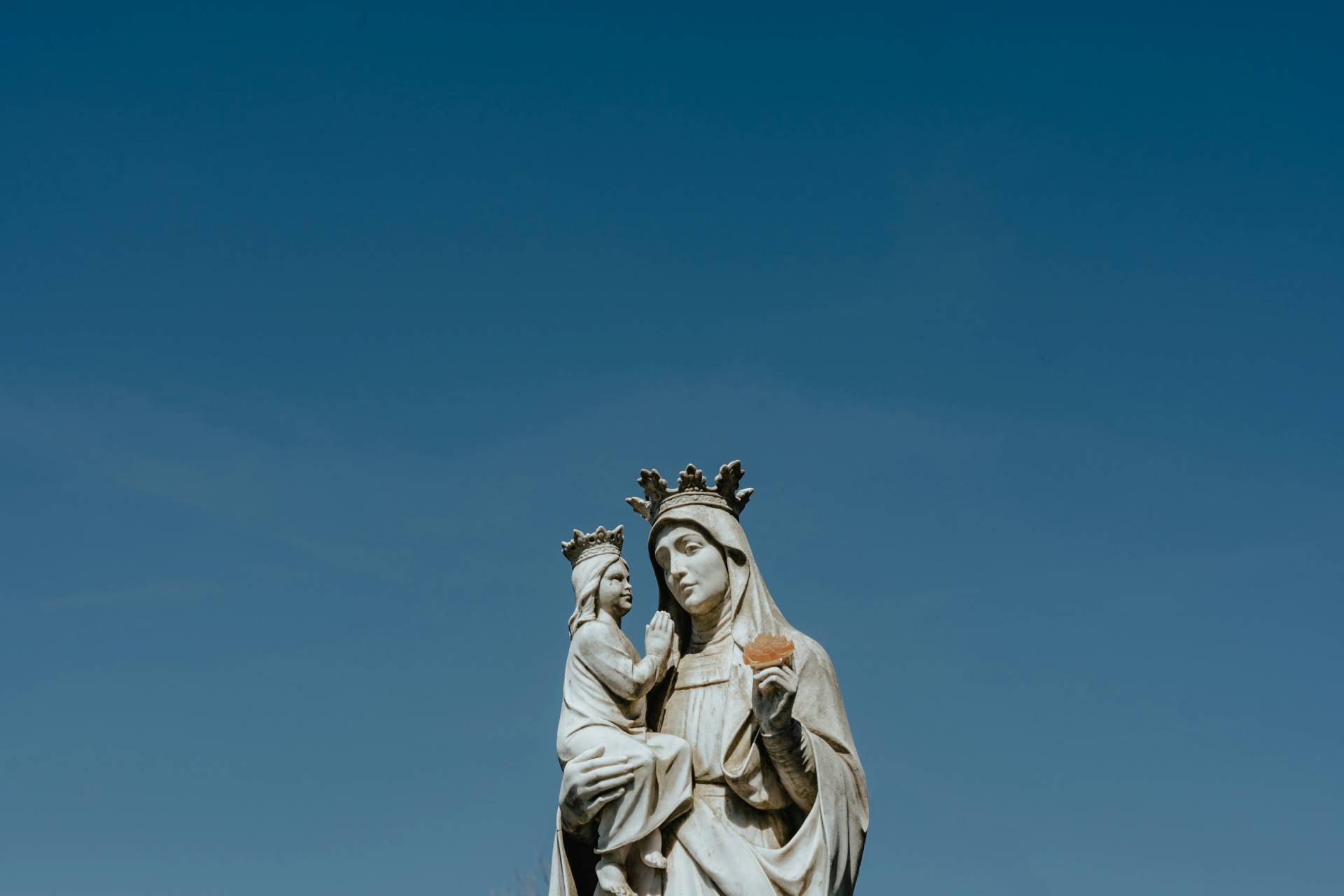
Mary and the Fourth Cup
There is a Greek word that appears exactly twice in the entire New Testament. Once in Luke 1:28, when Gabriel greets Mary at the Annunciation. Once in Ephesians 1:6, when Paul describes what God is doing for humanity through Christ.
The word is kecharitōmenē — usually translated "full of grace" — and its grammar carries more theology than most books.
When Gabriel uses it, he uses it as a noun. Not an adjective, not a verb — a noun. A name. A state of being. He does not say "Hail, Mary, who is full of grace." He addresses her as the graced one — the word standing where her name would normally go, functioning as her identity, her defining reality before God. It describes not something that happened to her or a quality she possesses but what she fundamentally is — a soul so completely filled with God's own grace, so entirely constituted by His life, that sin — the only thing that separates a creature from its Creator — is entirely absent. Permanently. From the beginning.
When Paul uses the same root in Ephesians, he uses it as a verb. God graces us through Christ. An action. A movement. Something that happens to us, that works on us, that transforms us across time.
The grammar shifts because the situation shifts.
For Mary, there is no sin to overcome, no rupture to heal. So the grace simply is — timeless, permanent, complete. A noun. A state.
For us, there is everything to overcome. So the grace acts — it redeems, it purifies, it moves us from where we are toward where we are meant to be. A verb. A journey.
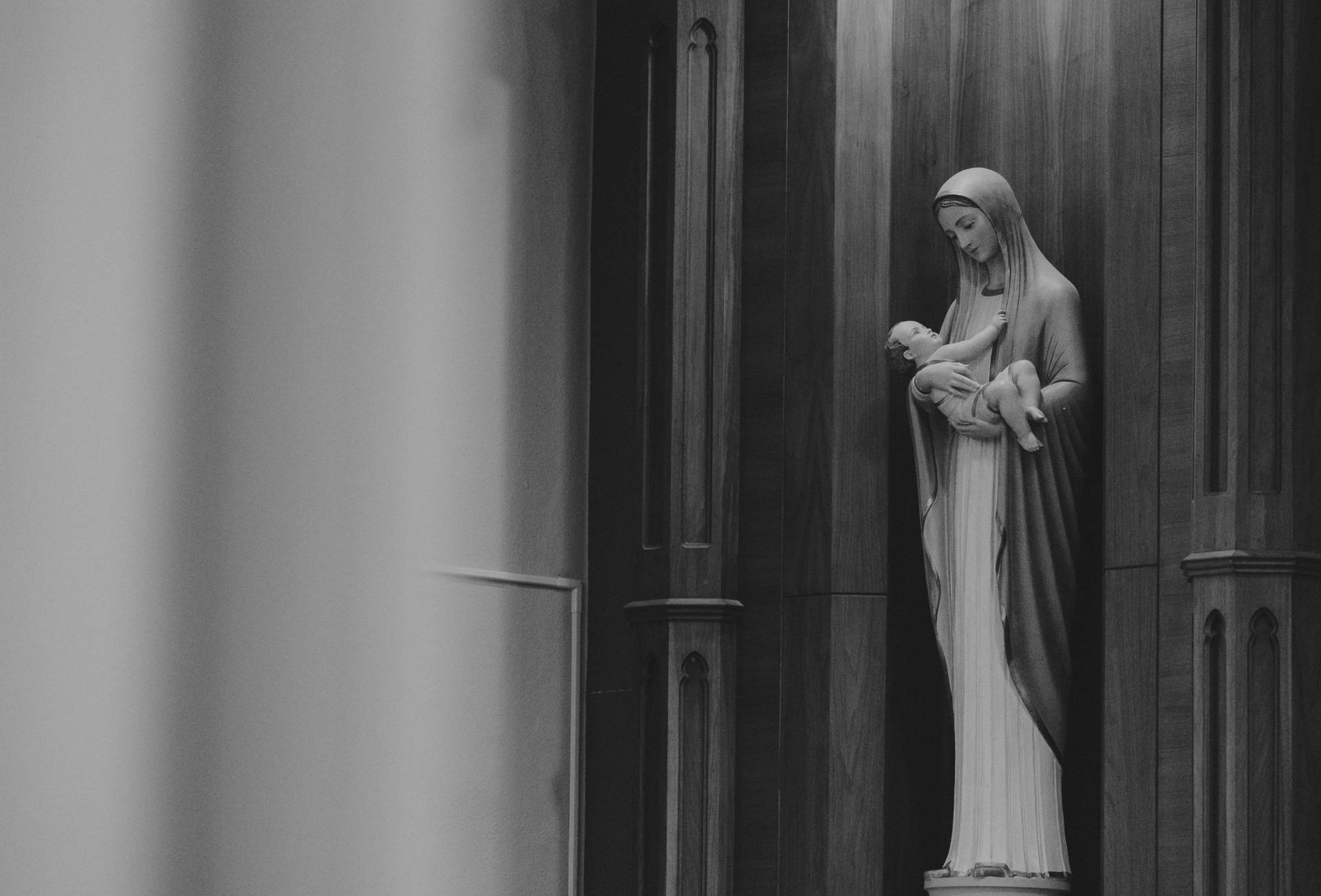
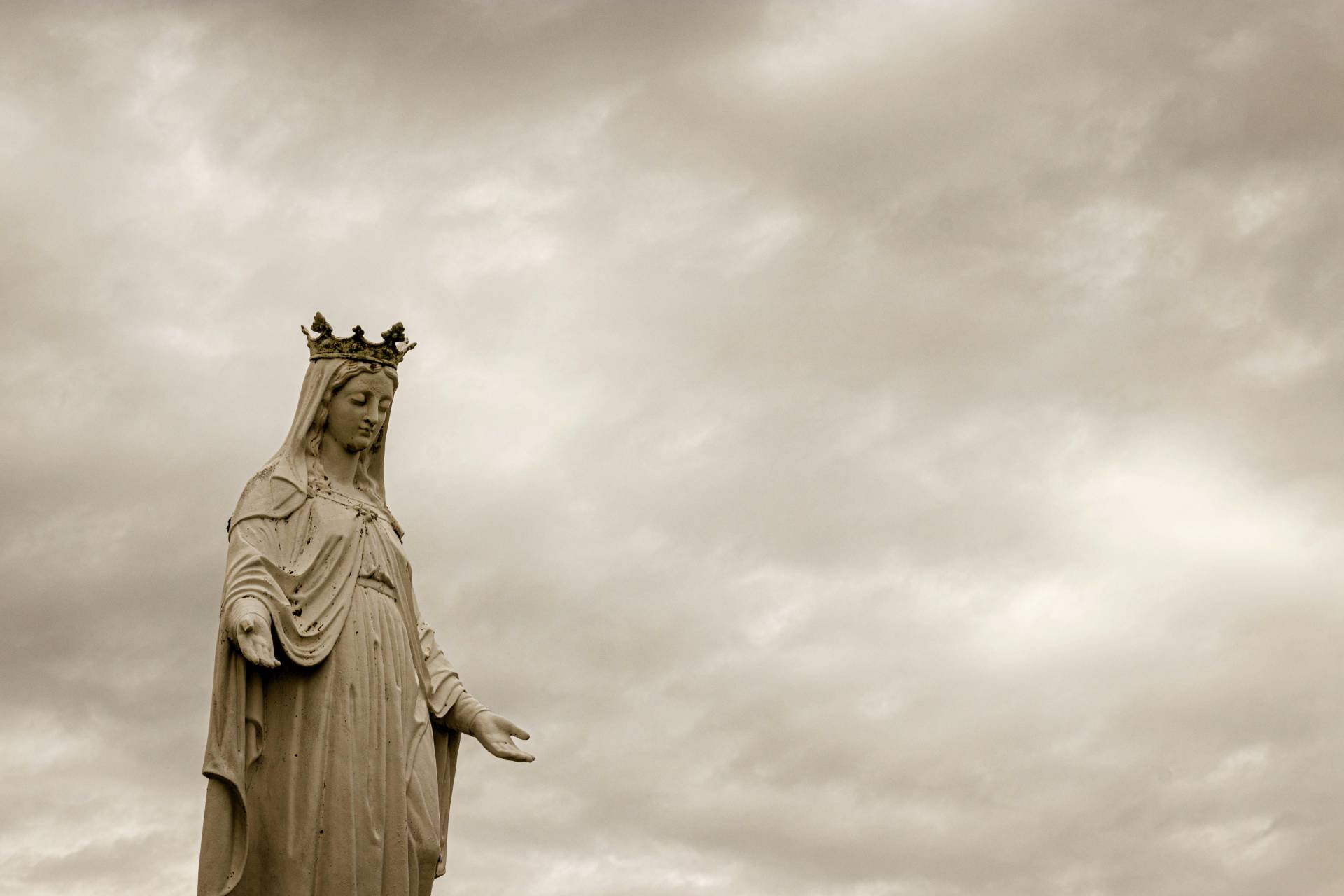
Mary is not a detour in salvation history. She is the destination made visible inside the journey. She is the fourth cup — the consummation, the fullness of what it means for God to say "I will take you as my people" — inhabiting human flesh in first-century Nazareth. Heaven walking on Earth. Not because she earned it, but because God prepared her as the vessel through which the Word would enter the world — and the vessel had to already be what the redemption was designed to produce.
When Gabriel addresses her, he is bringing the end of the story into the middle of it. The fourth cup standing in a room where the rest of humanity is still living through the night.
She is at the consummation. We are at the third cup. That gap is not a distance between us and Mary — it is the entire space in which the Church, the sacraments, and the Christian life exist. It is the Passover night we are all living through together, moving toward the morning she already inhabits.
And her fiat — "let it be done to me according to your word" — is the fourth cup saying yes to becoming the mother of the third.
We Are Still in the Night
This is the truth the Eucharist has always carried, even when we have not had the language for it.
We are a people inside a Passover that has not ended. We have been brought out — Baptism pulled us from Egypt. We have been delivered — the Cross broke the power of death over us. We are being redeemed — every Mass, every reception of the Body and Blood, every absolution, every act of grace in our lives is God's verb working on us, moving us through the night toward the morning.
But we are not there yet. We still die. We still carry the wound the Fall left in our nature even after the guilt is removed. We still need the purification of whatever remains after a lifetime of being changed by grace — not because the sacrifice was insufficient, but because the full application of that sacrifice to every corner of a human soul is the work of a lifetime and sometimes beyond. The price is paid in full. But we are still being changed by it. Still being brought into the state that kecharitōmenē names. Still walking through the night toward the fourth cup.
The Eucharist is what sustains us in that walk. Not as a symbol of what Christ did. Not as a spiritual encouragement to remind us of a past event. As real food for real people who are genuinely, actively, right now inside the greatest rescue operation in the history of the cosmos — and have not yet reached the other side.
This is why Jesus said what He said at the Last Supper. "I have eagerly desired to eat this Passover with you before I suffer." He knew what He was beginning. He knew the meal would not be finished that night, or the next day, or for two thousand years. He knew He was stretching the Passover across all of human history, making every Eucharist a real participation in it, holding the fourth cup in reserve until the moment He returns to drink it new with us in His Father's Kingdom.
The Passover is not a memory. It is not a ceremony. It is the condition we are living in — right now, tonight, at every Mass — until the morning comes and the Bridegroom returns and the last cup is finally drunk and the wedding that all of history has been moving toward is complete.
"Thy Kingdom come, thy will be done, on earth as it is in Heaven."
We are still praying that prayer. Which means we are still in the night. Which means the table is still set. Which means the meal is not over.
Come, Lord Jesus.
May the Lord bless you and keep you.
Related articles
Apologetics
The Perpetual Virginity of Mary: A Complete Linguistic, Historical, and Theological Defense
The perpetual virginity of Mary — the teaching that Mary remained a virgin before, during, and after the birth of Jesus — is one of the oldest and most consistently held beliefs in Catholic and Orthodox Christianity.

Join the community
Subscribe to our weekly newsletter for curated inspiration, delivered to your inbox.
We never share your data. See Privacy Policy for more info.