








































1 min read
Holy Week
Holy Week is the final week of Lent — the most sacred week of the liturgical year — reliving Christ's Passion and death from Palm Sunday through the Easter Triduum.
Holy Week is the final week of Lent — the most sacred week in the liturgical year — during which the Church relives the events of Christ's Passion and death. It begins with Palm Sunday (the triumphant entry into Jerusalem) and culminates in the Easter Triduum (Holy Thursday, Good Friday, and the Easter Vigil; CCC 1168).
The Days of Holy Week
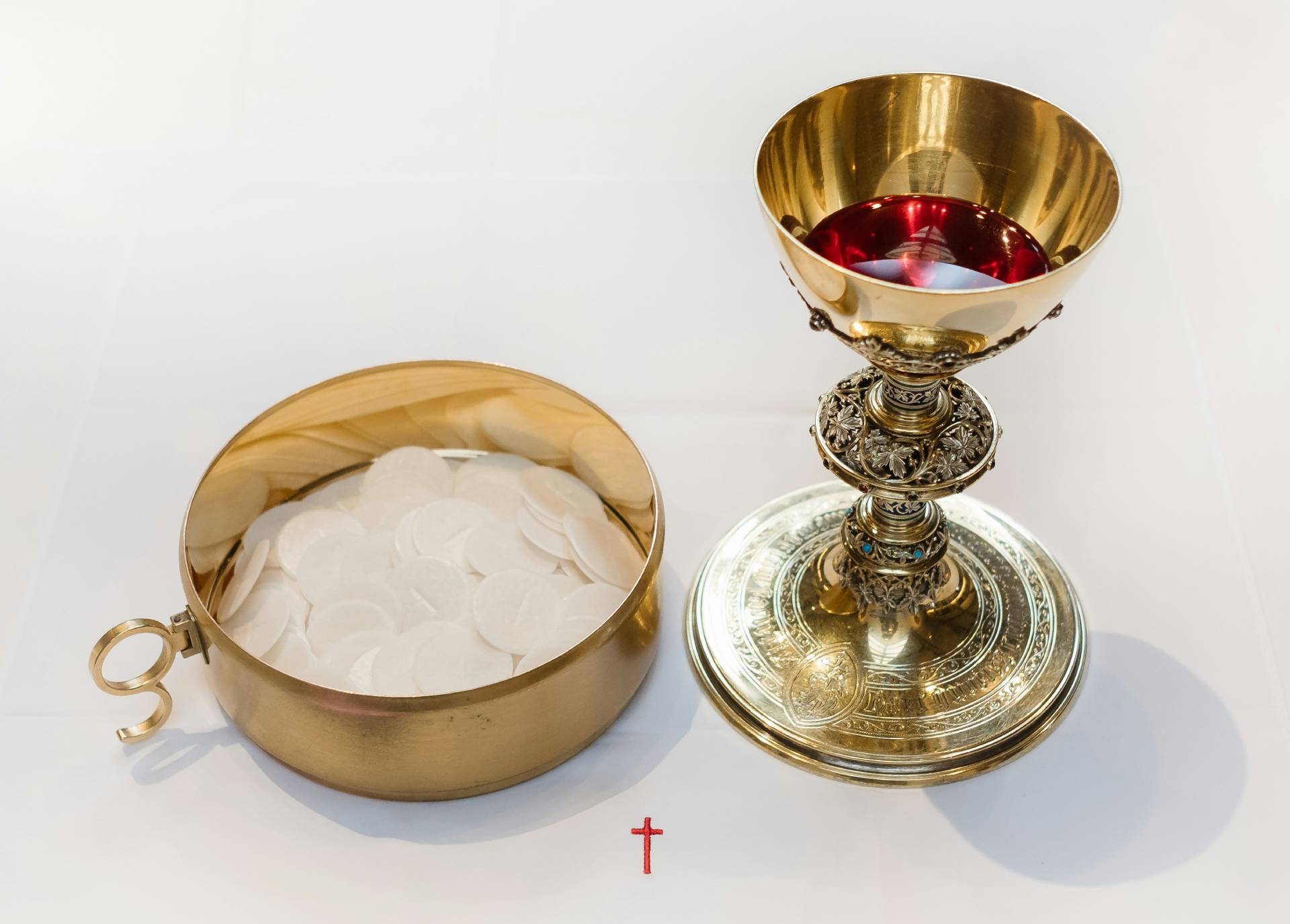
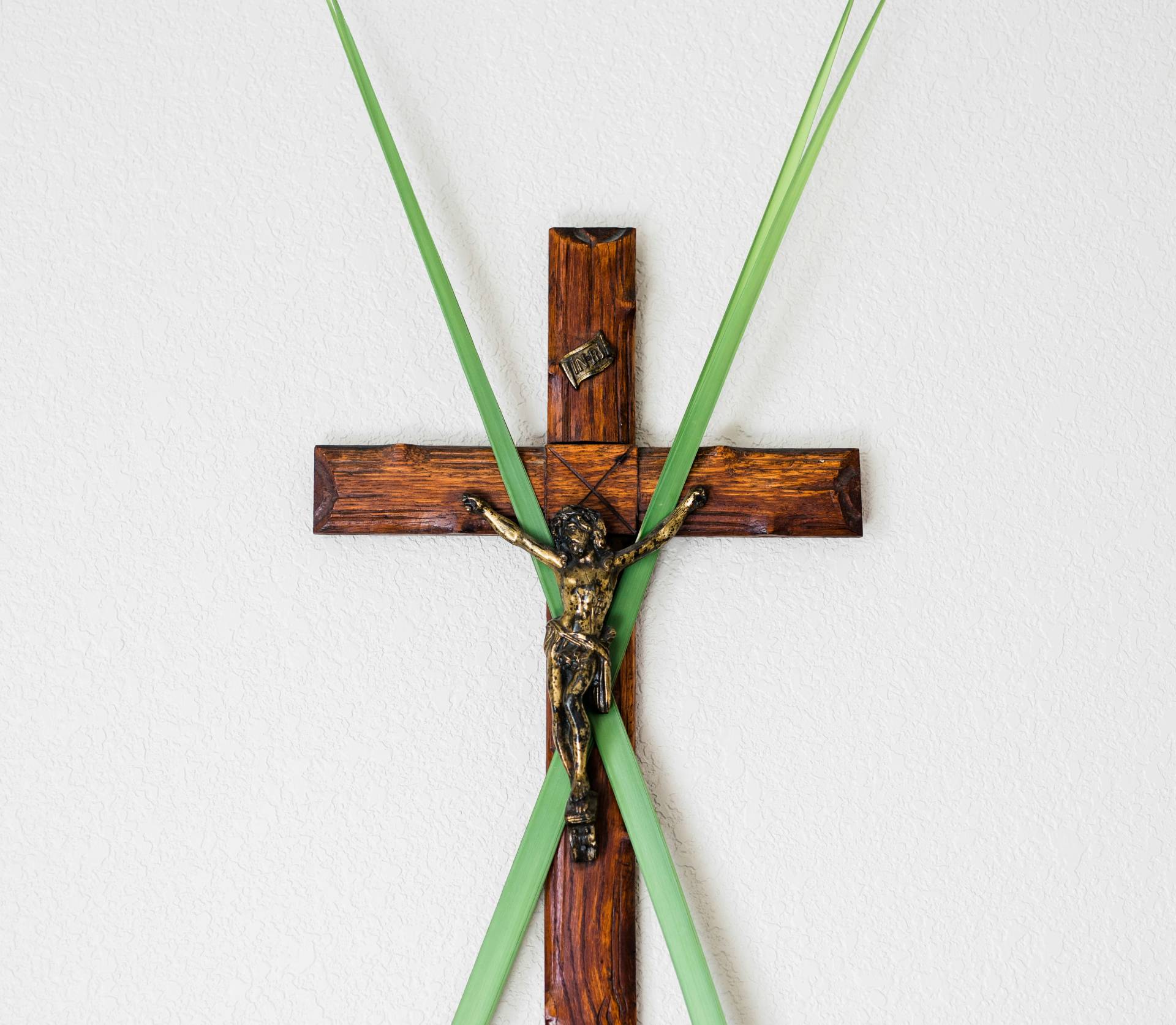
Palm Sunday commemorates Jesus's triumphal entry into Jerusalem, when the crowd waved palm branches and shouted "Hosanna!" — and the liturgy includes the proclamation of the full Passion narrative. Monday–Wednesday are marked by intensified prayer and fasting. Holy Thursday begins the Triduum with the Mass of the Lord's Supper — the institution of the Eucharist and Holy Orders. Good Friday commemorates the Crucifixion with no Mass celebrated. Holy Saturday is a day of silent waiting, culminating in the Easter Vigil after dark (CCC 1168–1169).
The Most Important Week
The Catechism calls the Easter Triduum "the culmination of the liturgical year" — and Holy Week is its immediate preparation. The entire liturgical year is ordered toward and flows from the events commemorated during Holy Week: the Passion, death, and Resurrection of Christ are the center of all history and all worship (CCC 1168).
Frequently Asked Questions
Why is it called "Holy" Week? Because it commemorates the holiest events in history — the acts by which God accomplished the redemption of humanity. Every day of the week carries extraordinary liturgical weight, and the Church calls her faithful to participate in the week's liturgies as fully as possible (CCC 1168).
May the Lord bless you and keep you.
Browse
All glossary terms
Join the community
Subscribe to our weekly newsletter for curated inspiration, delivered to your inbox.
We never share your data. See Privacy Policy for more info.