























1 min read
Humility
Humility is the virtue of recognizing one's true place before God — that everything good is received, not self-generated — the foundation of all virtue, all prayer, and the direct opposite of pride.
Humility is the virtue by which a person recognizes their true place before God — acknowledging that everything good they have and are is received from God, not self-generated. It is the foundation of all the virtues and of all authentic prayer, and its opposite is pride — the root of all sin (CCC 2559).
What Humility Is
Humility is not self-deprecation or the pretense that one has no gifts. It is truth — the accurate recognition of one's actual position: a creature before the Creator, a sinner before the Holy One, a recipient before the Giver. St. Bernard defined it as "the virtue by which a man knowing himself as he truly is, abases himself" — not beyond the truth, but in accordance with it (CCC 2559).
Humility as the Foundation of Prayer
The Catechism opens its entire treatment of prayer with humility: "Humble yourself before God" is the first condition for authentic prayer. The tax collector's prayer — "God, be merciful to me, a sinner" (Luke 18:13) — is held up as the model, contrasted with the Pharisee's self-congratulation (CCC 2559, 2631).
Mary as the Model of Humility
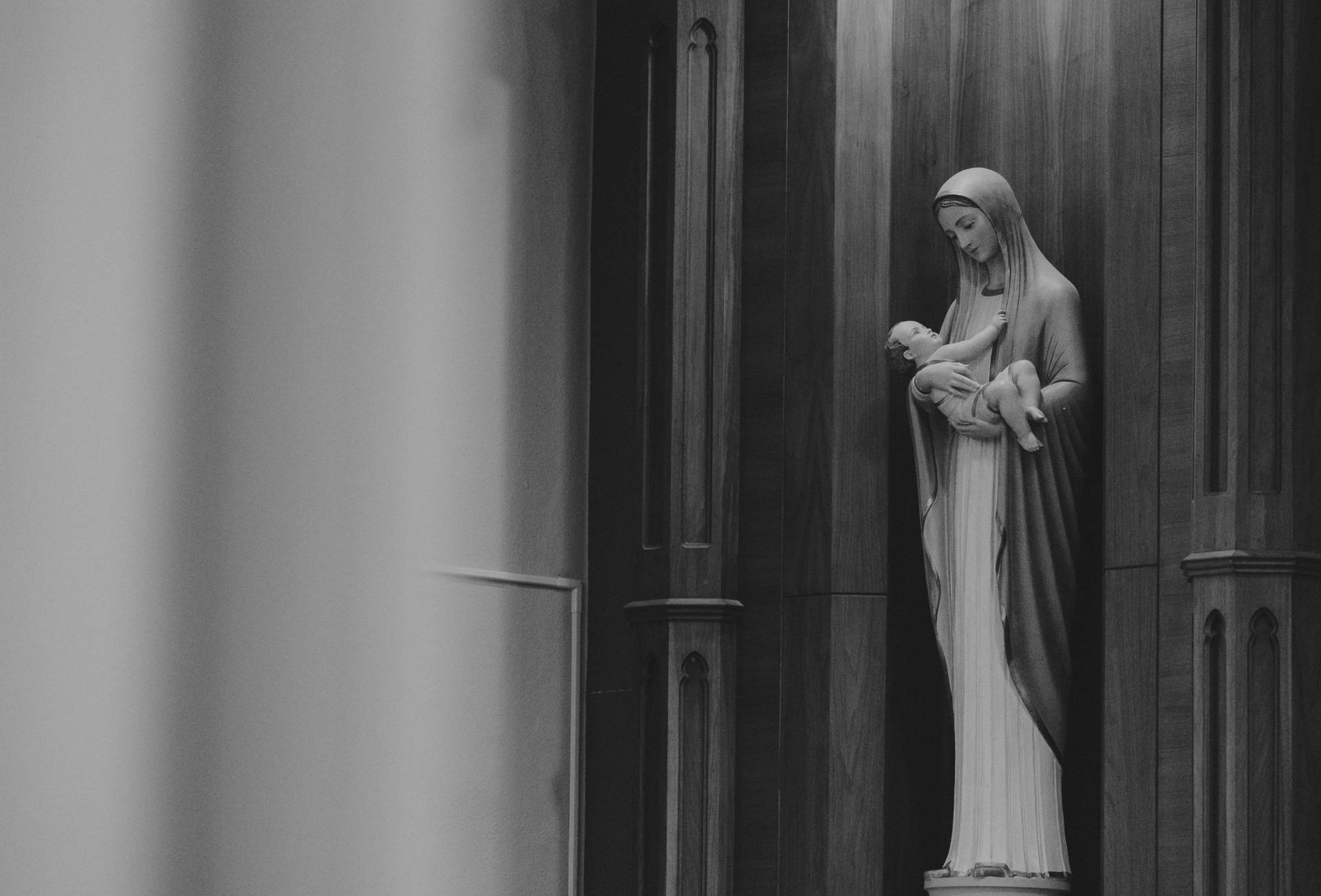
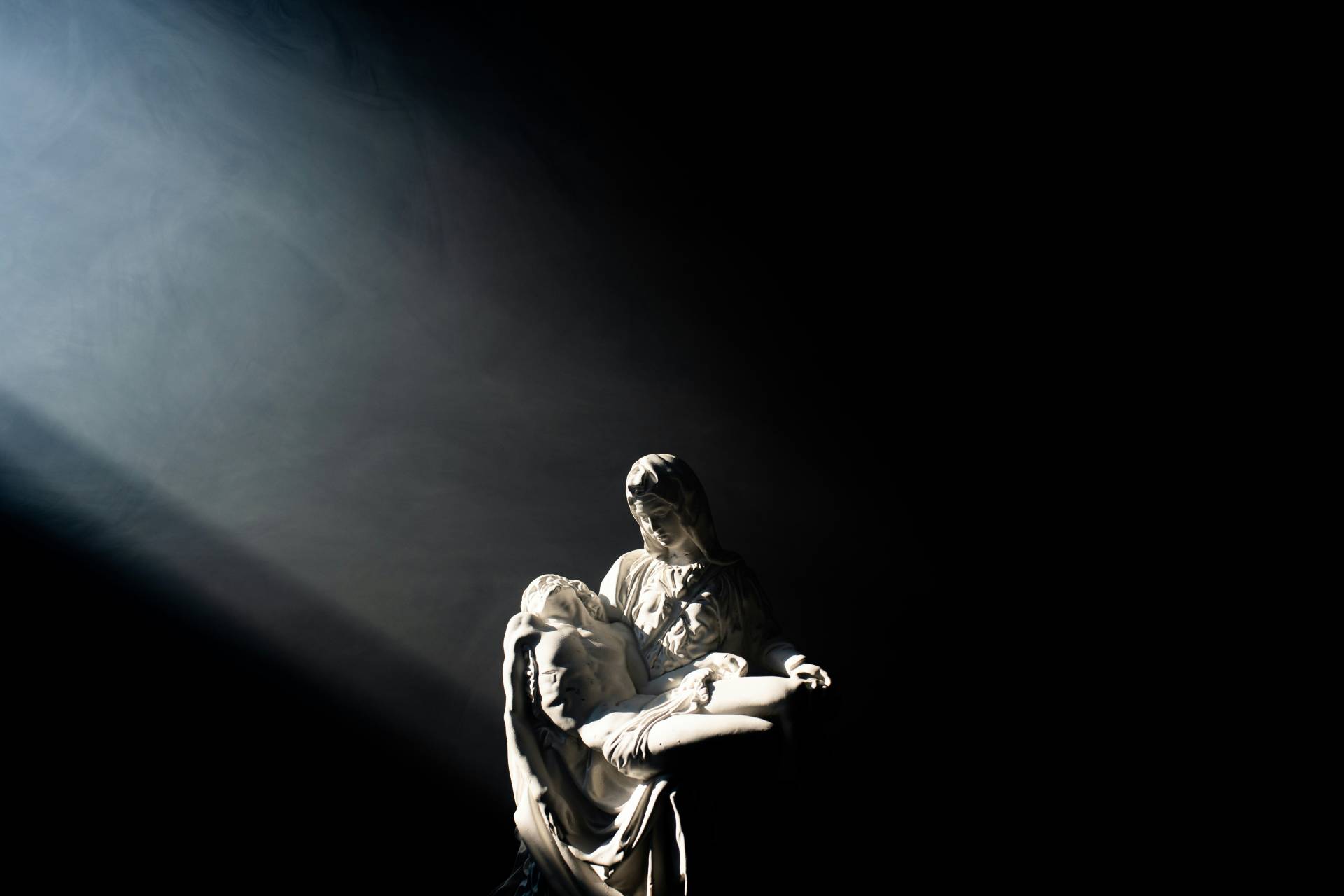
Mary's Magnificat is the supreme biblical expression of humility: "He has looked with favor on the lowliness of his servant" (Luke 1:48). Her entire life was one of self-effacement before God — seeking not her own glory but to be the vessel of his (CCC 722).
Frequently Asked Questions
Is humility compatible with confidence? Yes — and in fact it is its foundation. True humility does not undermine confidence but purifies it: the humble person trusts not in their own strength but in God's, and so is never ultimately shaken. False confidence (pride) is brittle; humble confidence is unbreakable (CCC 2713).
May the Lord bless you and keep you.
Browse
All glossary terms
Join the community
Subscribe to our weekly newsletter for curated inspiration, delivered to your inbox.
We never share your data. See Privacy Policy for more info.