

























2 min read
Angelus
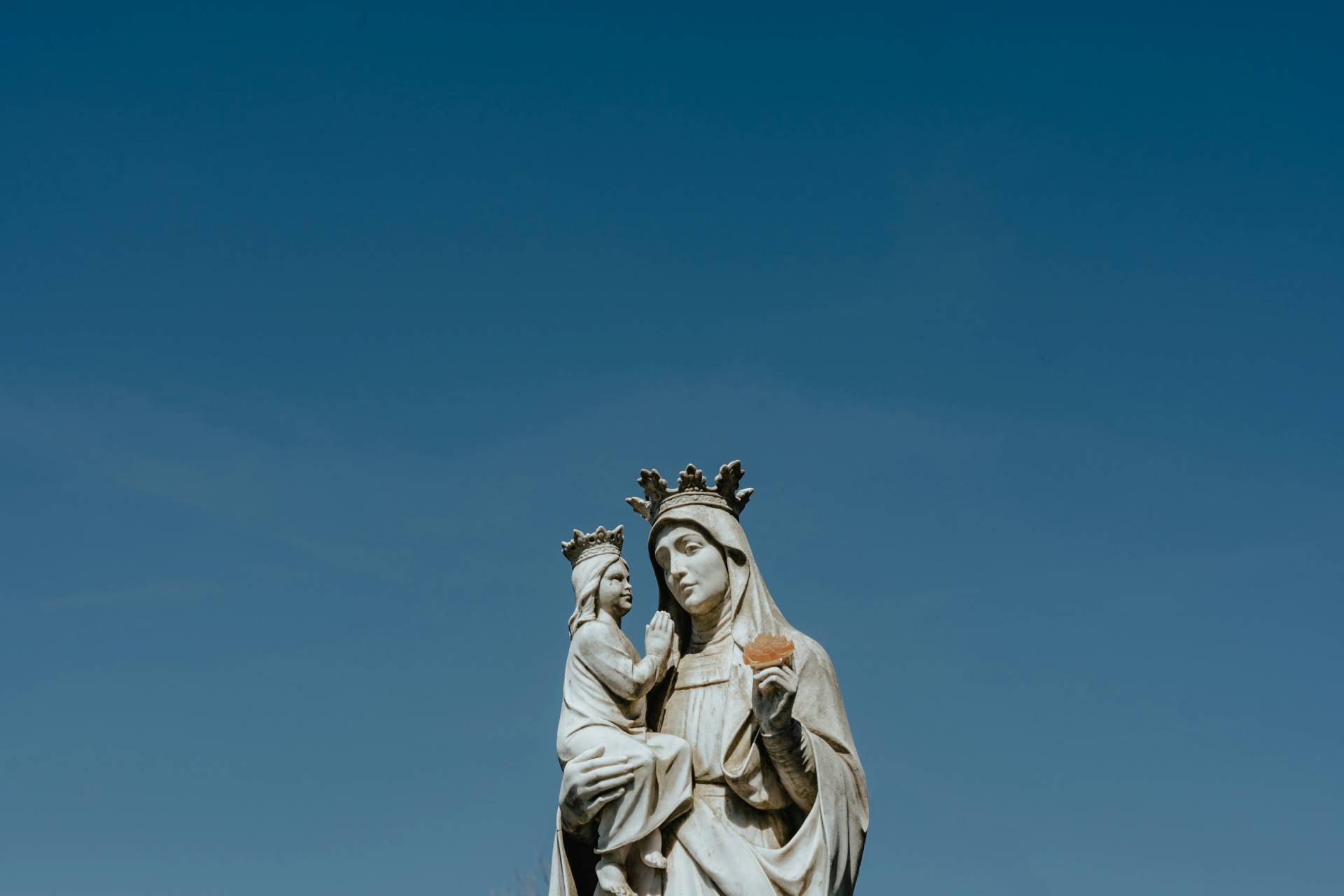
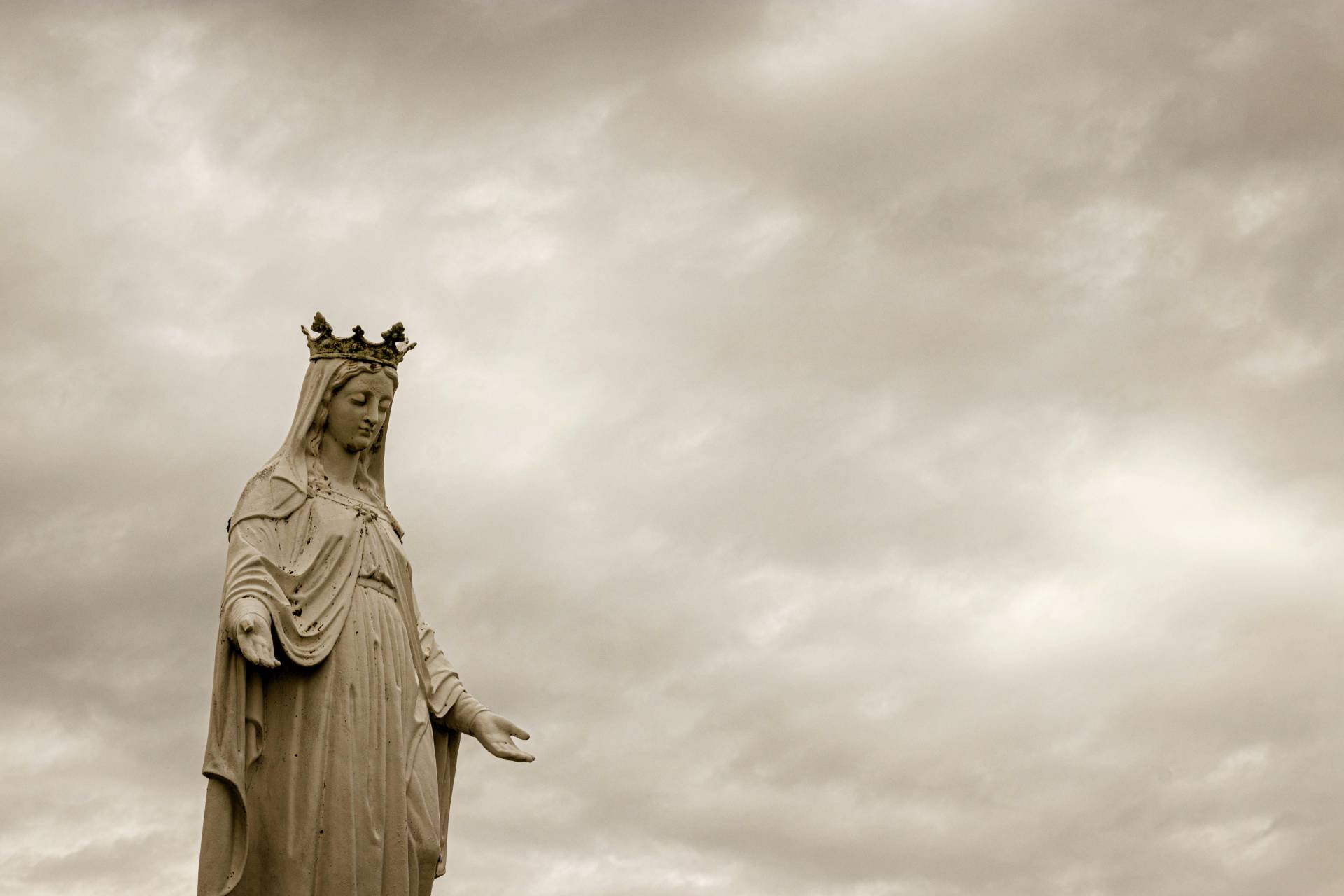
The Angelus is the traditional Catholic prayer prayed three times daily commemorating the Annunciation — pausing to remember the moment the Word became flesh in Mary's womb.
The Angelus is a traditional Catholic prayer commemorating the Annunciation — the moment the angel Gabriel announced to Mary that she would conceive the Son of God, and Mary gave her consent. It is prayed three times daily (morning, noon, and evening) at the sound of the Angelus bell, and consists of three versicles, three Hail Marys, and a concluding prayer (CCC 2617).
The Prayer
The Angelus takes its name from its opening words in Latin: Angelus Domini nuntiavit Mariae — "The Angel of the Lord declared unto Mary." The three versicles recount the Annunciation: "The Angel of the Lord declared unto Mary, and she conceived of the Holy Spirit. Hail Mary..." — "Behold the handmaid of the Lord; be it done unto me according to your word. Hail Mary..." — "And the Word was made flesh, and dwelt among us. Hail Mary..." The concluding collect asks for grace through the Incarnation.
History and Tradition
The Angelus developed gradually in the medieval Church — the practice of ringing a bell and pausing for Marian prayer three times daily became widespread by the 15th century. It was a way of sanctifying the rhythm of the day by pausing to remember the Incarnation. Today, the Pope prays the Angelus publicly from St. Peter's Square every Sunday at noon.
The Regina Caeli
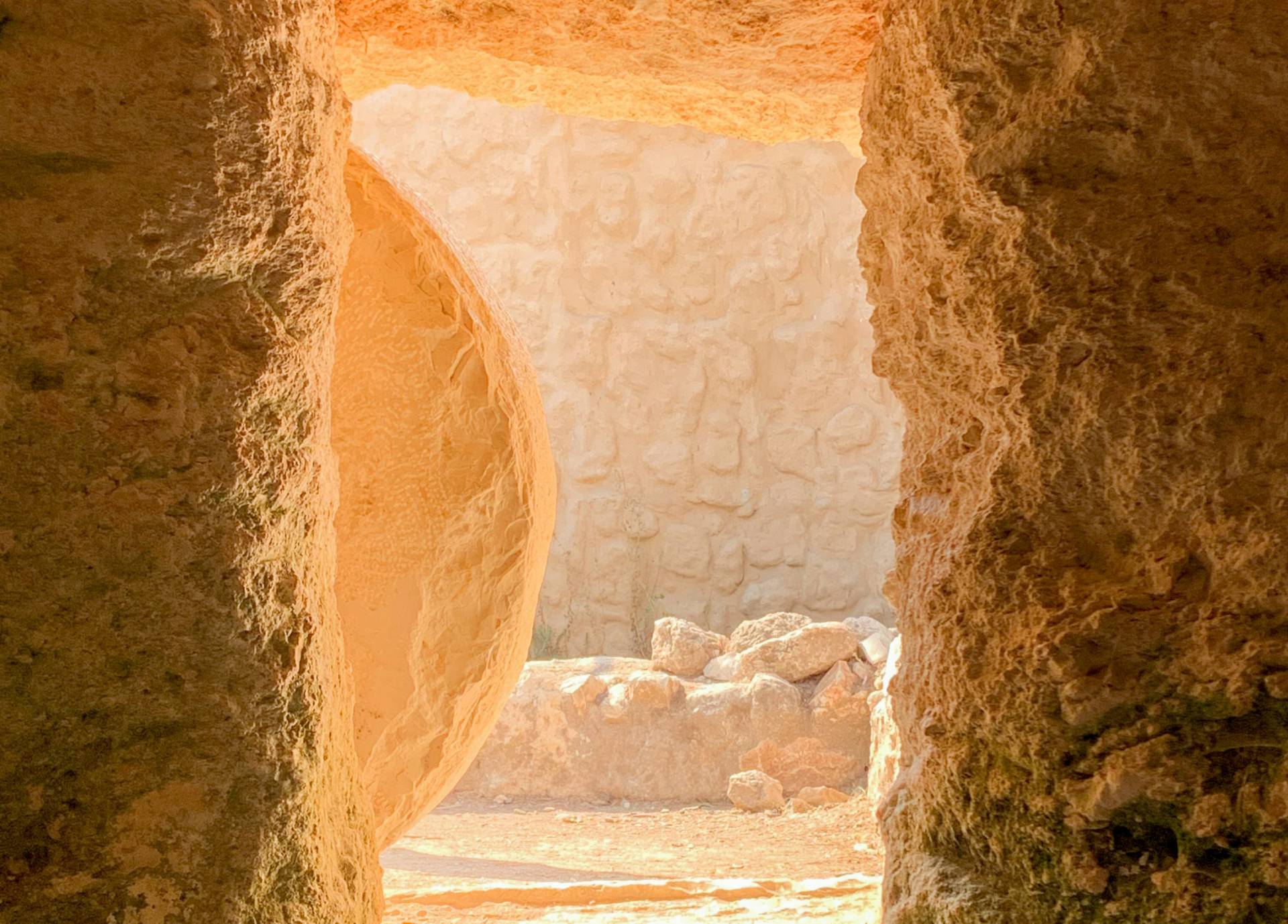
During the Easter season, the Angelus is replaced by the Regina Caeli (Queen of Heaven) — a joyful antiphon celebrating the Resurrection. Where the Angelus commemorates the Incarnation, the Regina Caeli commemorates the Resurrection and Mary's joy as the Mother of the Risen Christ.
Frequently Asked Questions
Is the Angelus obligatory? No — it is a devotion, not a commandment. But it has been practiced by Catholics for centuries as a beautiful way to pause three times daily and recall the central mystery of the Incarnation (CCC 2617).
May the Lord bless you and keep you.
Browse
All glossary terms
Join the community
Subscribe to our weekly newsletter for curated inspiration, delivered to your inbox.
We never share your data. See Privacy Policy for more info.