







































1 min read
Anointing
Anointing is the ritual act of applying oil, symbolizing the gift of the Holy Spirit, used in the sacraments to heal, strengthen, and consecrate a person for a mission.
In biblical and liturgical symbolism, anointing with oil is rich in meaning: oil is a symbol of abundance and joy; it cleanses and limbers; it is a sign of healing, and it makes radiant with beauty, health, and strength. In the context of the sacraments, it signifies a spiritual seal (CCC 1293).
Sacramental Significance
Anointing in Christian initiation is the sacramental sign of the seal of the Holy Spirit. By anointing, the confirmand receives the "mark," the seal of the Holy Spirit. This seal of the Holy Spirit marks our total belonging to Christ, our enrollment in his service for ever, as well as the promise of divine protection (CCC 1294–1295).
Christ the Anointed One
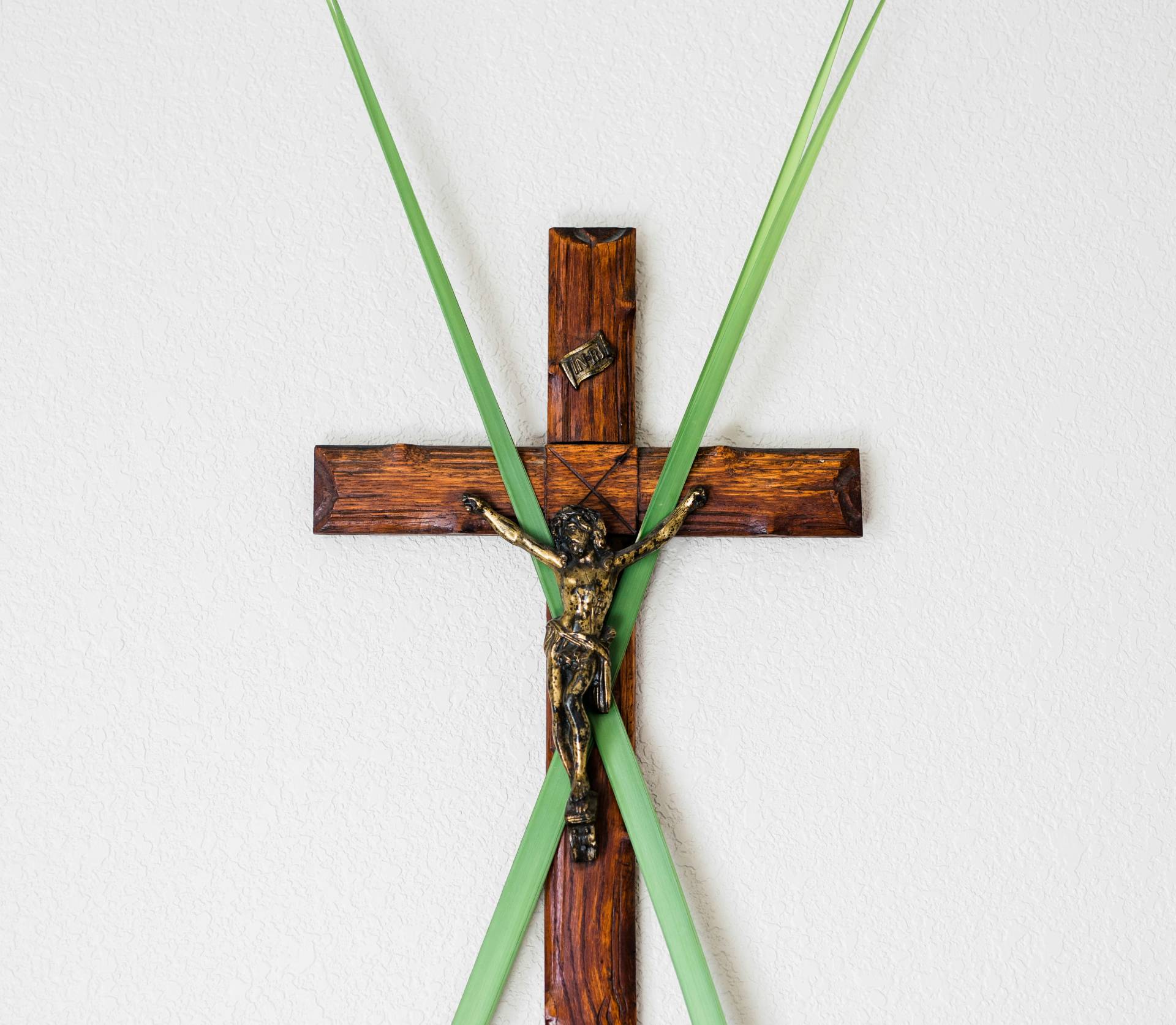
The name "Christ" (from the Hebrew Messiah) means "Anointed One." Jesus is the Christ because he was "anointed by God with the Holy Spirit" for his mission as priest, prophet, and king. In the sacraments, we share in this anointing and the mission it confers (CCC 436, 1294).
Frequently Asked Questions
Which sacraments involve anointing? Anointing is used in Baptism (Oil of Catechumens and Chrism), Confirmation (Chrism), Holy Orders (Chrism), and the Anointing of the Sick (Oil of the Sick) (CCC 1294, 1517).
What is the difference between Chrism and other oils? Sacred Chrism is olive oil mixed with balsam and is consecrated by the bishop for use in sacraments that imprint an indelible character (CCC 1297).
May the Lord bless you and keep you.
Browse
All glossary terms
Join the community
Subscribe to our weekly newsletter for curated inspiration, delivered to your inbox.
We never share your data. See Privacy Policy for more info.