











































1 min read
Atonement
Atonement is the reconciliation of humanity with God through Christ's perfect sacrifice — making full satisfaction for sin and restoring the friendship between God and man.
Atonement is the reconciliation of humanity with God achieved through the obedient life, suffering, death, and resurrection of Jesus Christ. By his sacrifice, Christ made full satisfaction for the sins of all humanity and restored the broken relationship between God and man (CCC 613–617).
Why Atonement Was Needed
Sin is an offense against the infinite goodness of God, creating a debt human beings cannot repay on their own. Only God could make adequate satisfaction; only a human being owed it. The Incarnation is the solution: the Son of God became man so that one Person could be both the one who owed the debt and the one capable of paying it (CCC 616).
Perfect and Complete
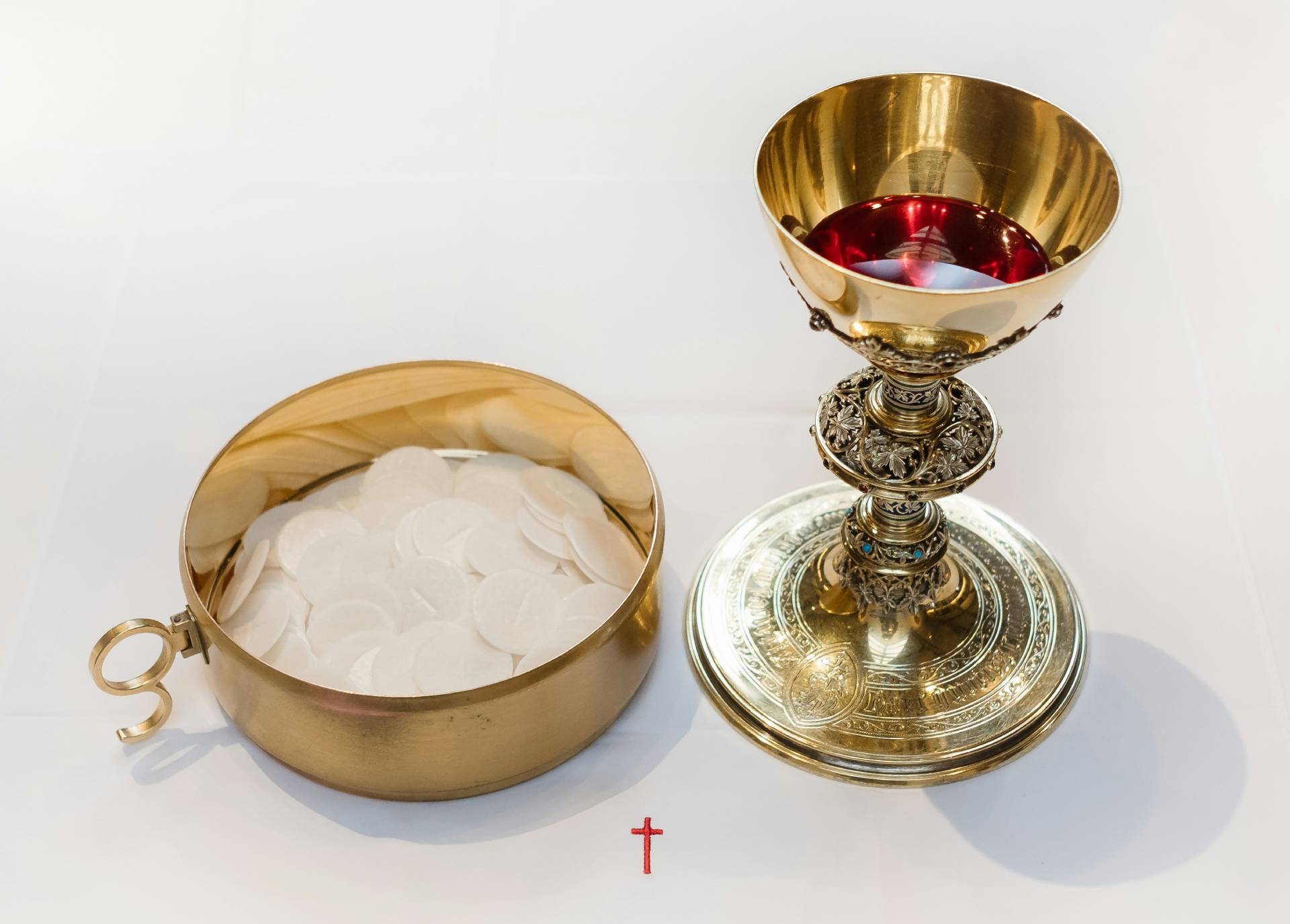
Christ's sacrifice was offered once for all — perfect, complete, and unrepeatable (Hebrews 9:26). The Mass does not repeat this sacrifice but makes it sacramentally present (CCC 1366–1367).
Solidarity in Suffering
Because Christ bore our sins in his body (1 Peter 2:24), human suffering united to his can have redemptive value. Christians are invited to "complete in their flesh what is lacking in Christ's afflictions for the sake of his body" (Colossians 1:24; CCC 618).
Frequently Asked Questions
To whom was the "ransom" of Christ's death paid? The language of ransom is a metaphor for liberation — not a literal payment to the devil. Christ's free and obedient sacrifice was the means by which God reconciled the world to himself (CCC 614).
May the Lord bless you and keep you.
Browse
All glossary terms
Join the community
Subscribe to our weekly newsletter for curated inspiration, delivered to your inbox.
We never share your data. See Privacy Policy for more info.