




























2 min read
Icons and Statues
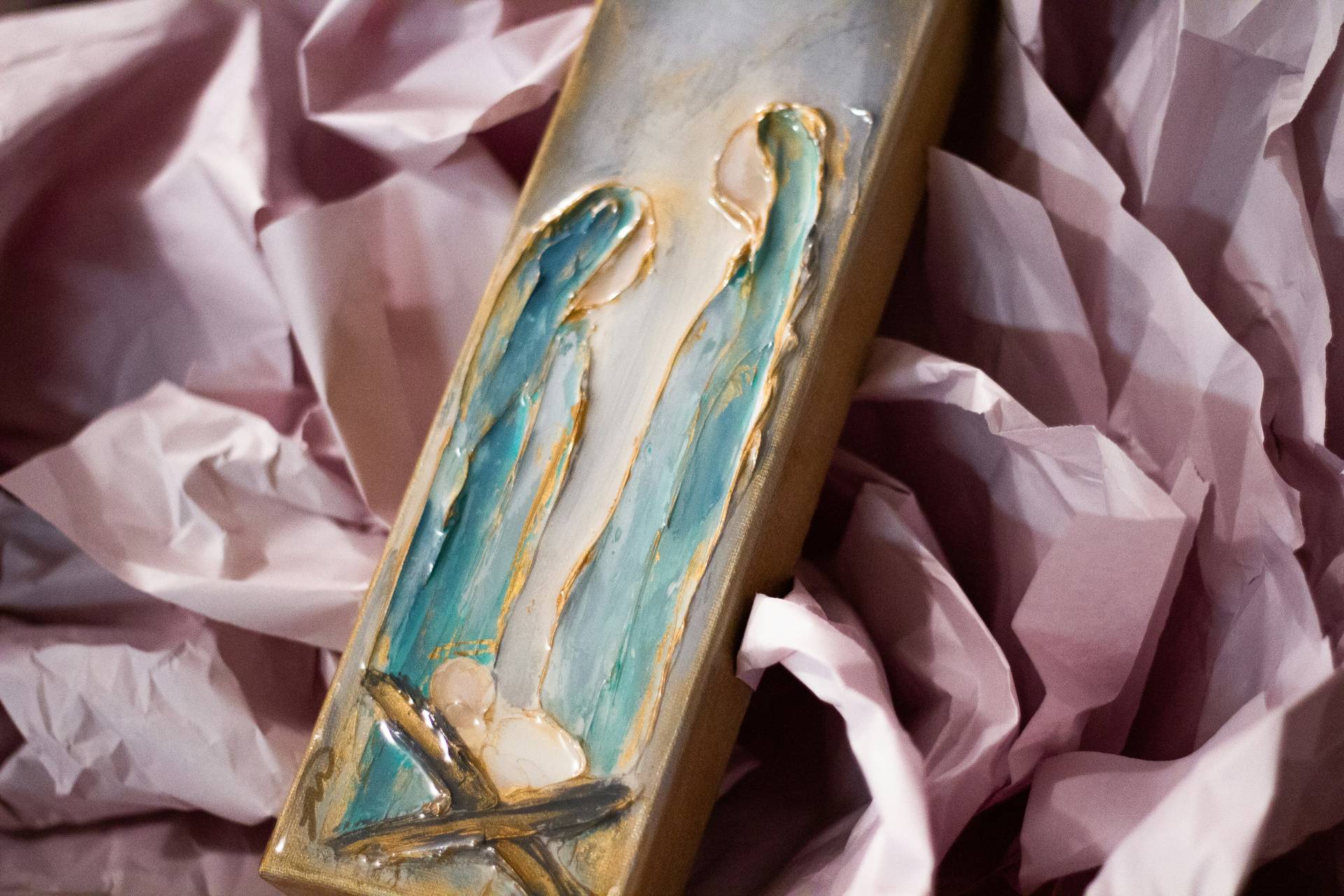
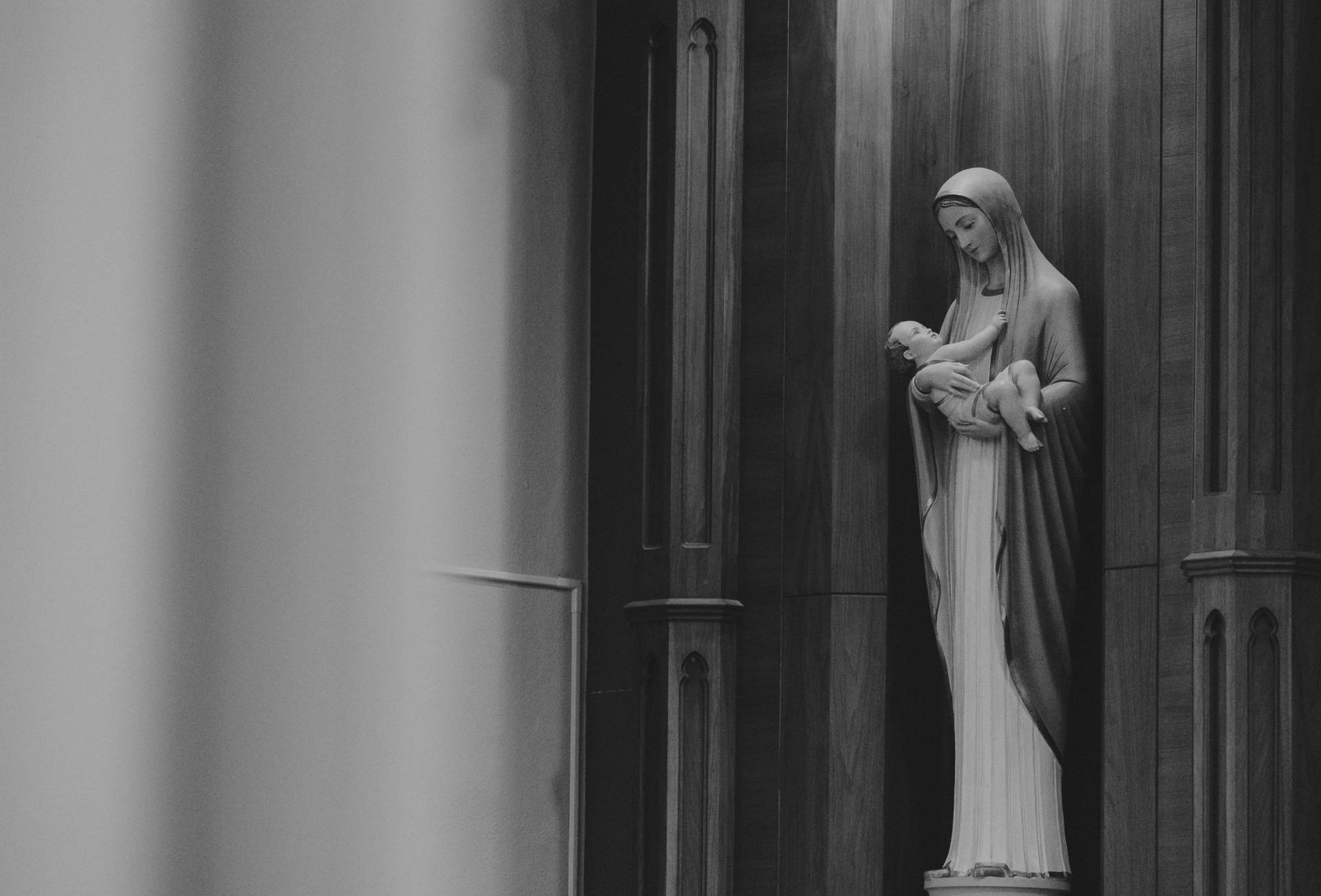
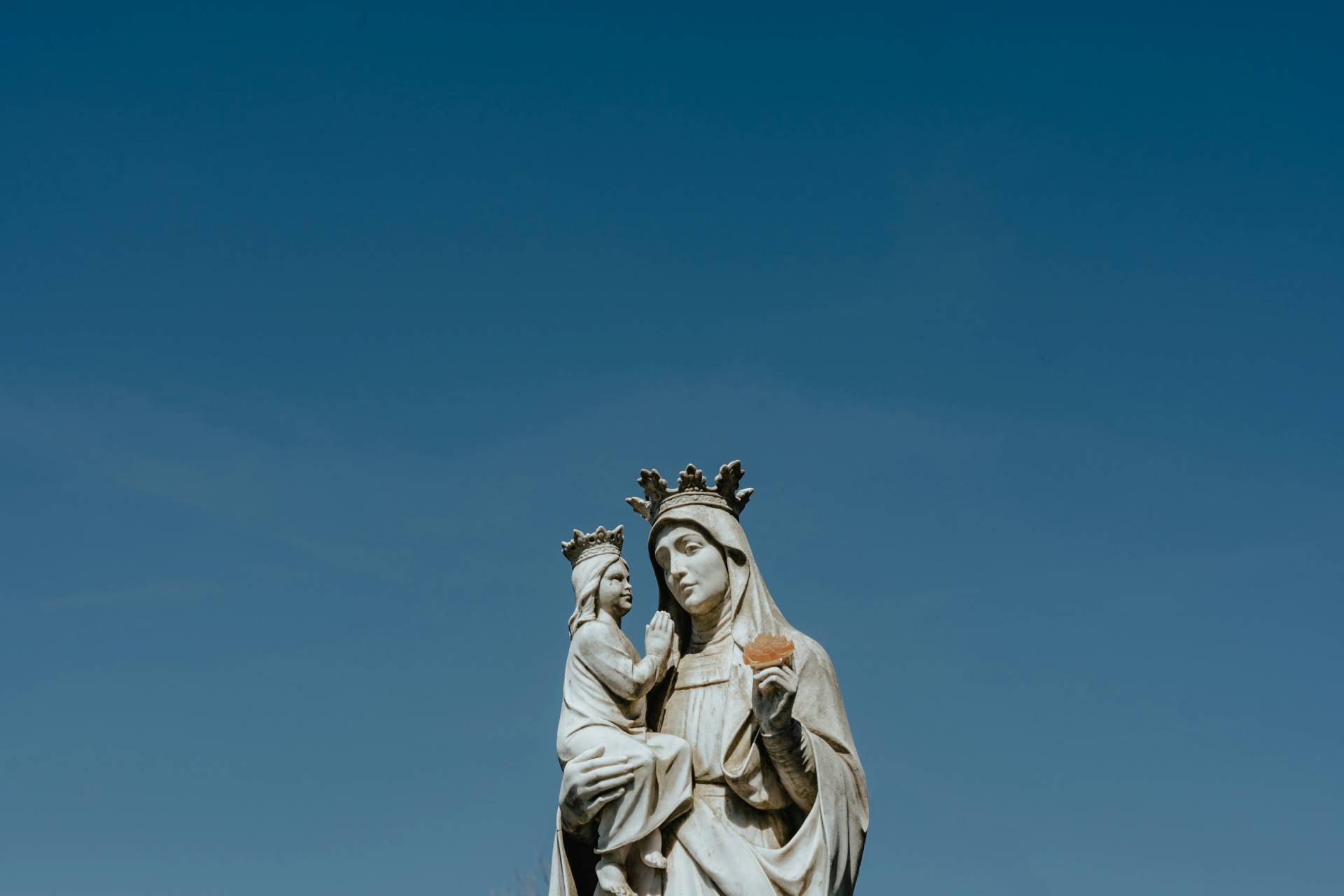
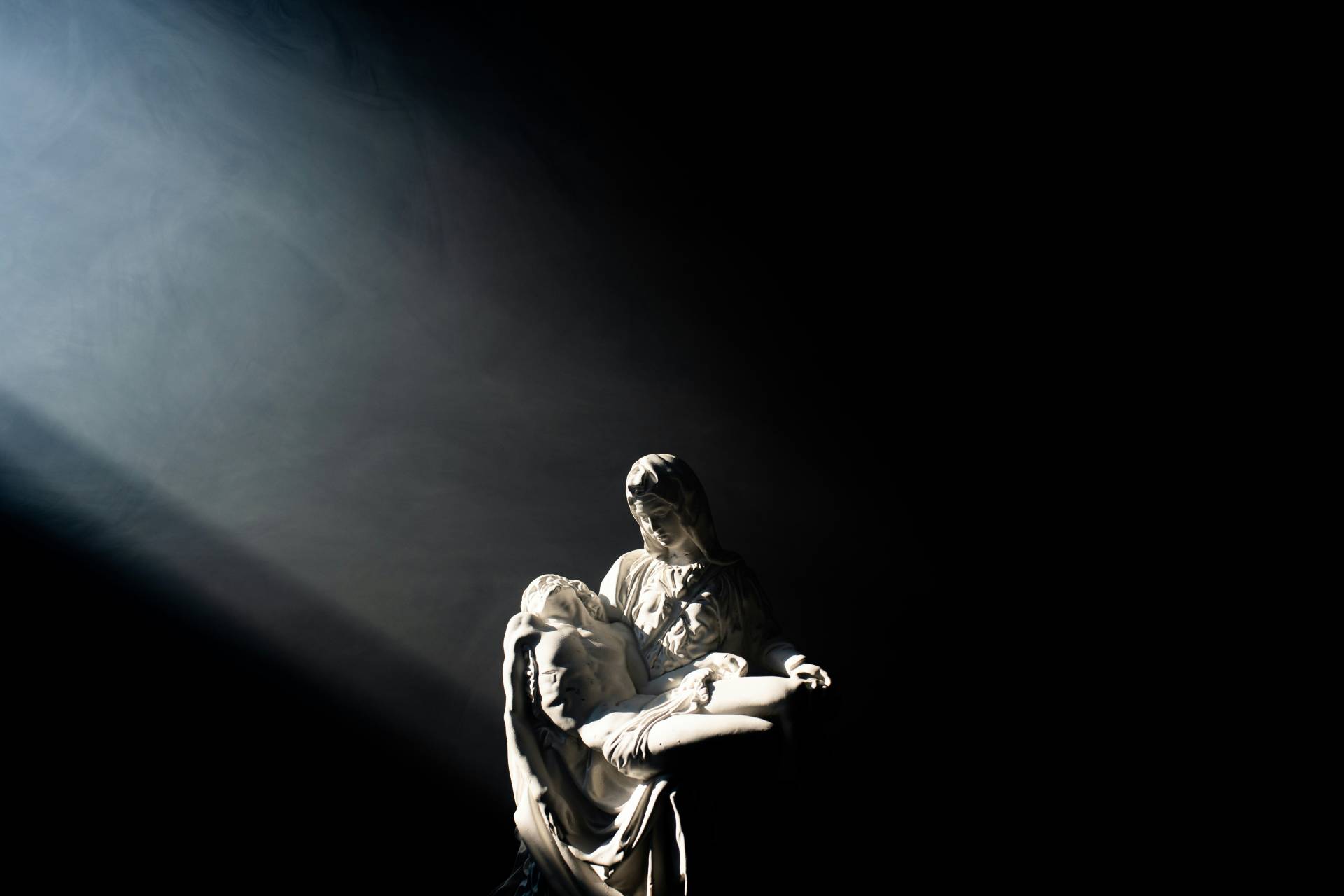
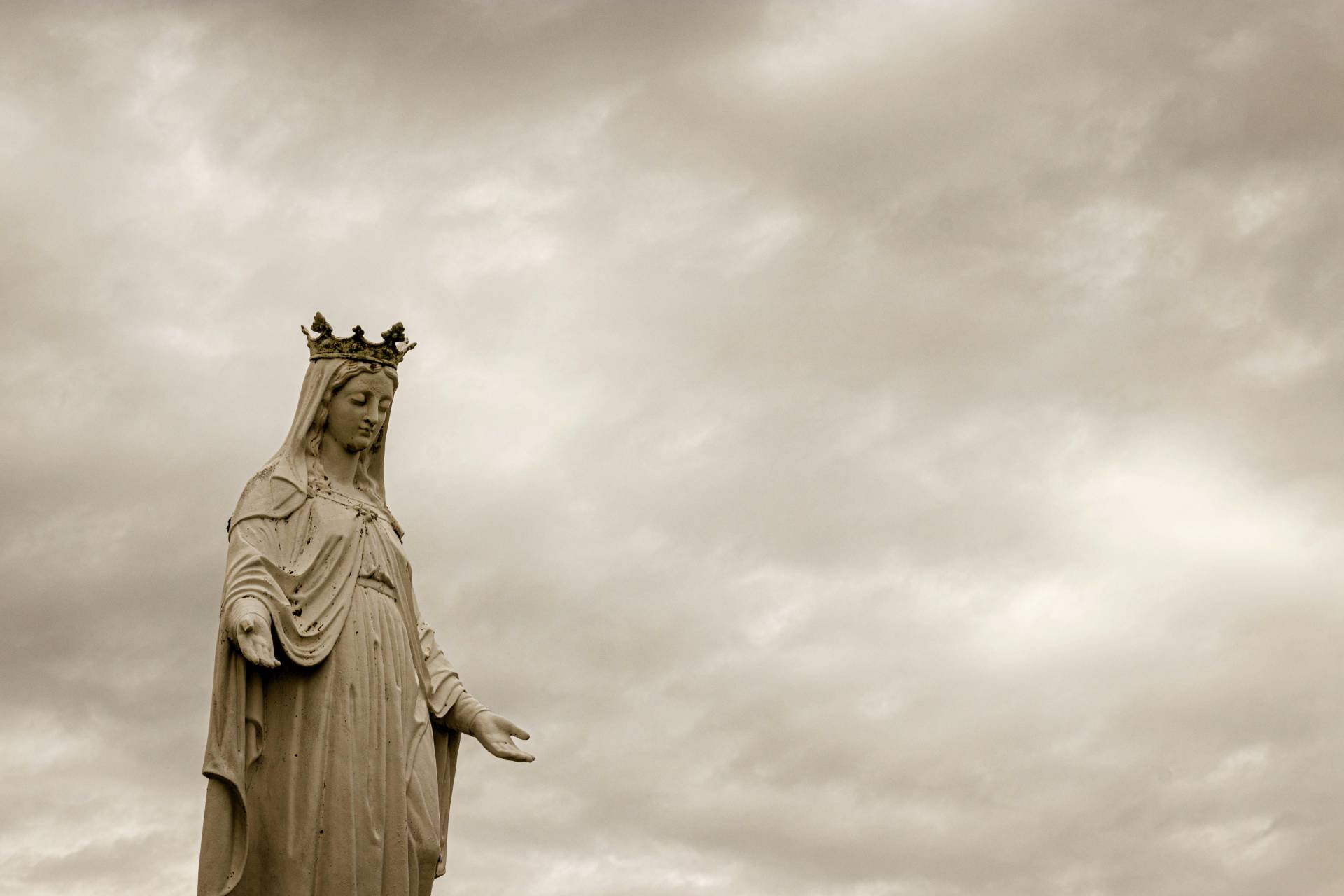
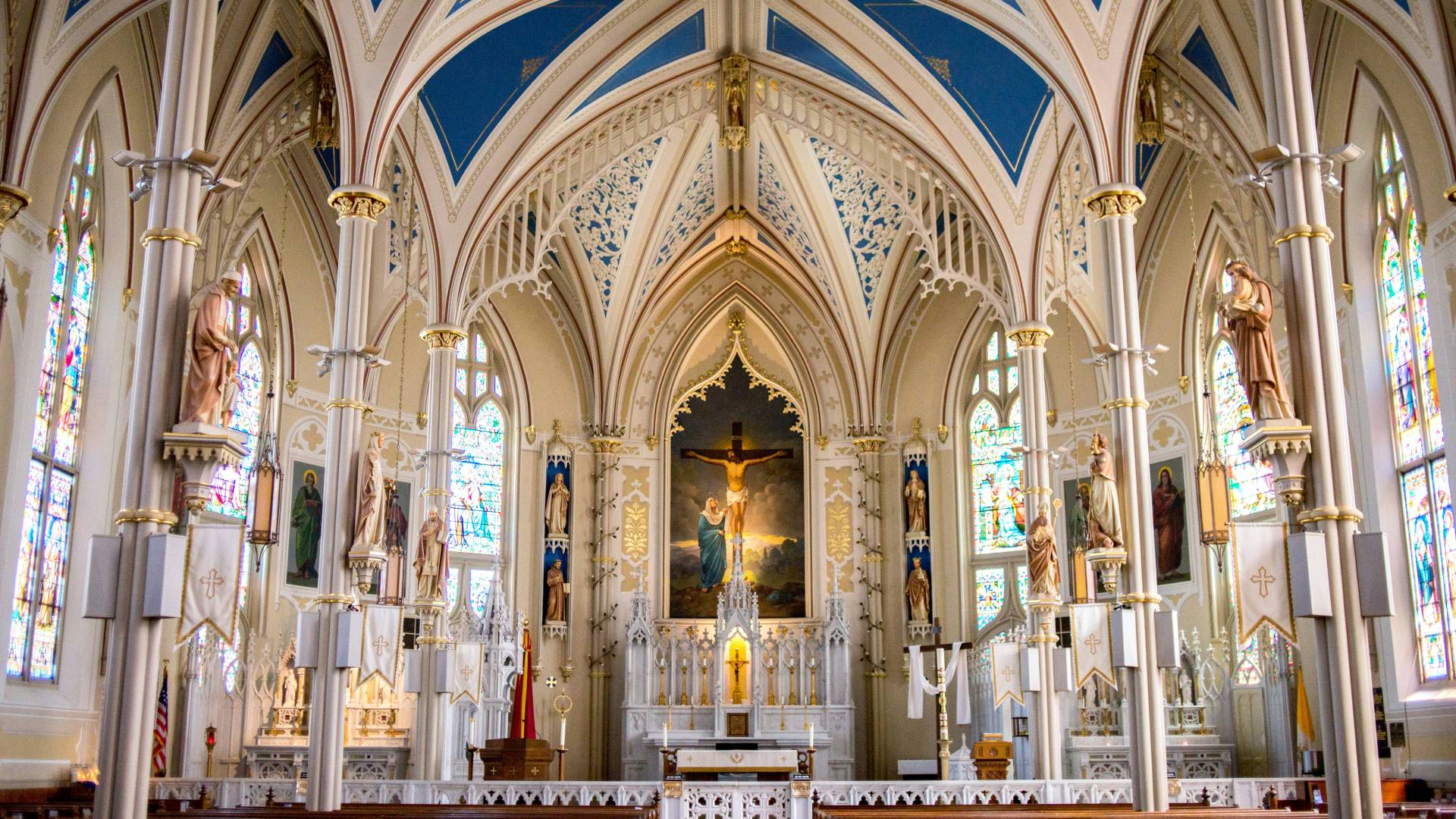
Icons and statues are sacred images — of Christ, Mary, and the saints — used as aids to prayer and expressions of faith. Their veneration is not idolatry but recognition of the reality of the Incarnation.
Icons and statues are sacred images used in Catholic and Orthodox Christian worship — images of Christ, Mary, and the saints that serve as windows toward the divine, aids to prayer, and expressions of the Church's faith. Their use is not idolatry but a legitimate expression of the Incarnation's truth: God became visible (CCC 1159–1162).
The Theological Basis
The Incarnation is the ultimate justification for sacred images. Before Christ, God commanded against making images of himself because he had not yet shown his face. But in the Incarnation, the invisible God made himself visible in human flesh. "He who has seen me has seen the Father" (John 14:9). Because God truly became human, the human face of Christ can be depicted — and depicting him in art is a confession of the reality of the Incarnation (CCC 1159–1161).
Veneration, Not Worship
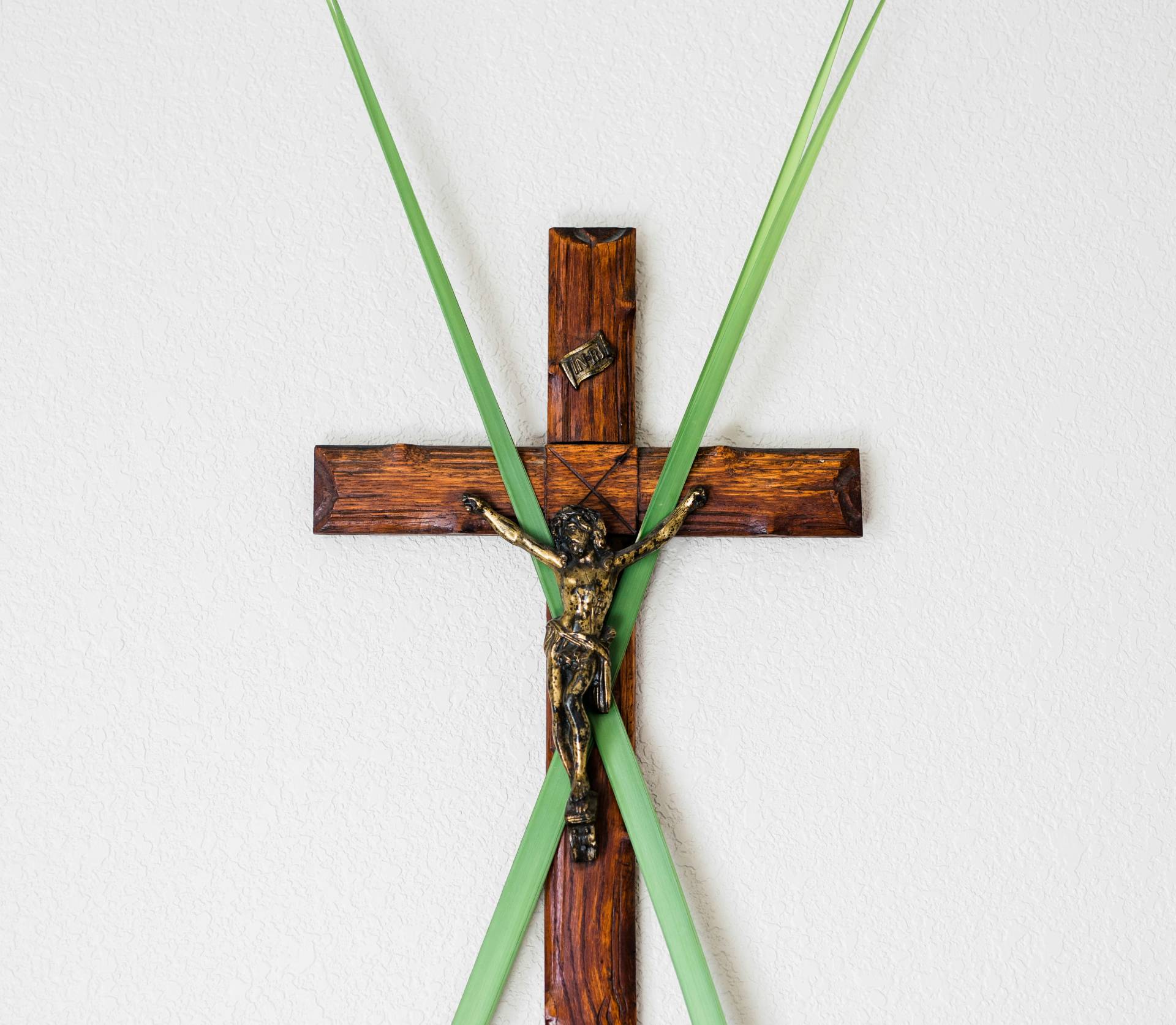
The honor given to sacred images passes to their prototypes — the persons they represent. When Catholics kiss an icon, bow before a crucifix, or light a candle before a statue, they are expressing love for the person depicted, not worshipping the image itself. The Second Council of Nicaea (787 AD) defined this distinction clearly: images may receive veneration (proskynesis); only God may receive worship (latreia; CCC 2132).
Iconoclasm
Iconoclasm — the destruction of sacred images — was condemned as heresy at the Second Council of Nicaea (787 AD). The iconoclasts argued that depicting Christ mixed the divine and human natures. The council replied that depicting Christ's humanity is not a confusion of natures but an affirmation that the Incarnation was real (CCC 2131).
Frequently Asked Questions
Doesn't the Bible forbid images? Exodus 20:4 forbids making images of God for worship as if they were the divine being itself — the sin Israel committed with the Golden Calf. The same Bible also commands the making of the golden cherubim for the Ark (Exodus 25:18) and the bronze serpent (Numbers 21:8). The prohibition is against idolatry, not art (CCC 2130–2132).
May the Lord bless you and keep you.
Browse
All glossary terms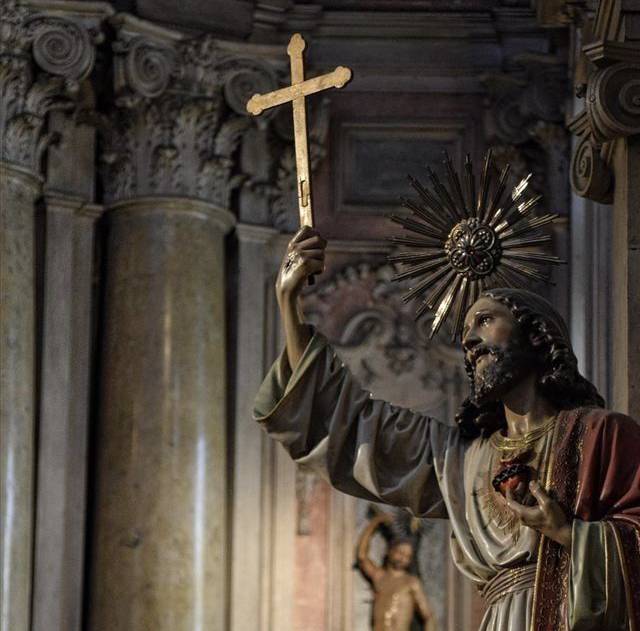
Join the community
Subscribe to our weekly newsletter for curated inspiration, delivered to your inbox.
We never share your data. See Privacy Policy for more info.