





























2 min read
Mary Magdalene
Mary Magdalene is the Galilean woman who followed Jesus, stood at the cross, and was first witness of the Resurrection — called the 'apostle to the Apostles,' sent to announce the risen Christ.
Mary Magdalene is the woman from Magdala in Galilee who followed Jesus throughout his ministry, stood at the foot of the cross, witnessed his burial, and was the first witness of the Resurrection — sent by the risen Christ to announce his rising to the Apostles. She is called the "apostle to the Apostles" (CCC 641).
Her Life and Ministry
Luke 8:2 mentions that seven demons had been driven out of Mary Magdalene — Jesus had healed her of a severe spiritual affliction. She became one of the women who traveled with Jesus and supported his ministry (Luke 8:1–3). The Church carefully distinguishes her from the unnamed sinful woman of Luke 7 and from Mary of Bethany — a confusion that arose in the Western tradition but is not supported by the text (CCC 641).
Witness of the Resurrection
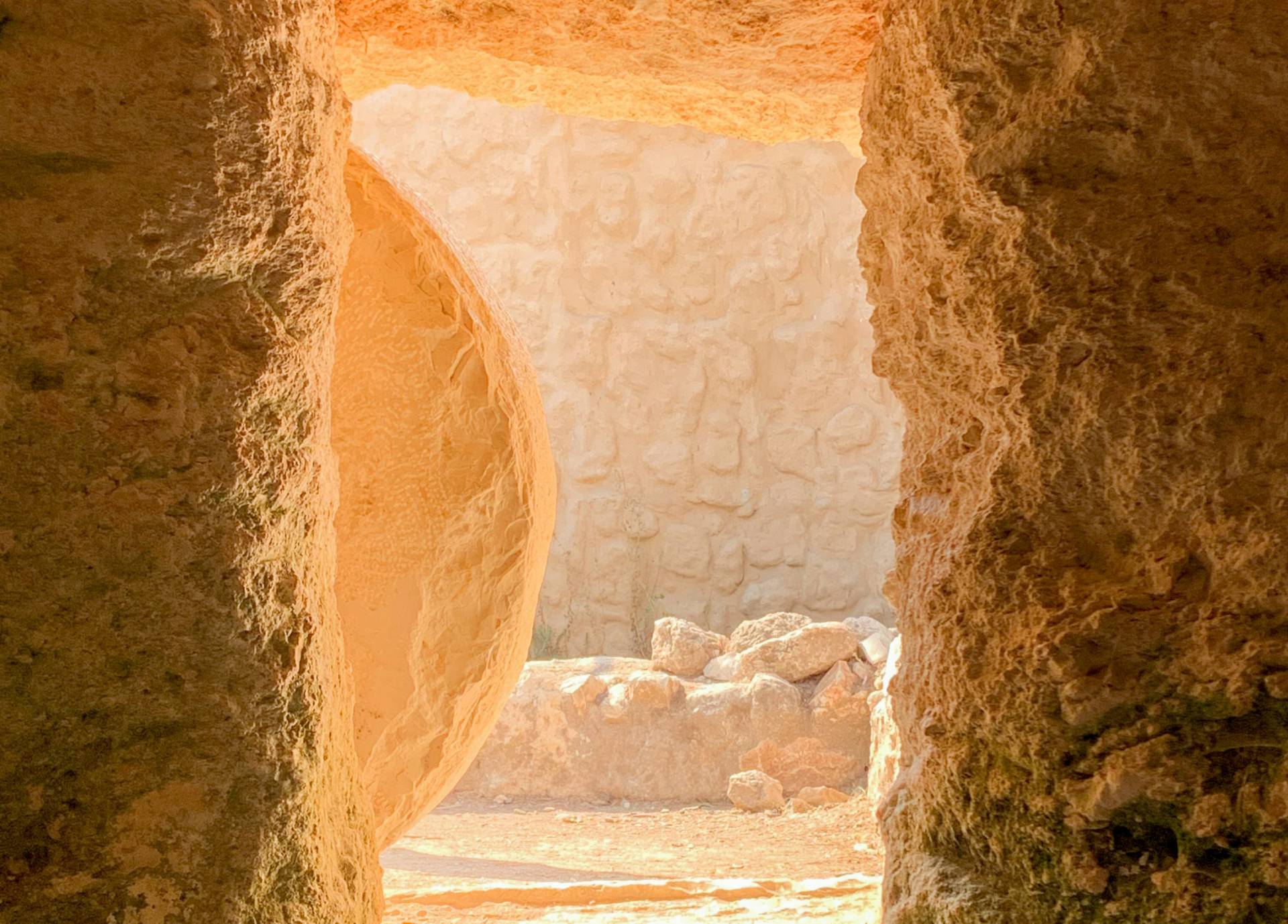
Mary Magdalene was at the cross when the Apostles fled, witnessed the burial, and came to the tomb on Easter morning. John's Gospel records her encounter with the risen Jesus in the garden — she first mistook him for the gardener until he called her name: "Mary!" (John 20:16). Jesus then commissioned her: "Go to my brothers and tell them I am ascending to my Father" — making her the first herald of the Resurrection (John 20:17; CCC 641).
Apostle to the Apostles
St. Thomas Aquinas coined the phrase "apostle to the Apostles" for Mary Magdalene — she was sent (apostolos means "one sent") to announce the Resurrection to the Apostles themselves. Pope Francis elevated her feast day (July 22) to a feast (from a memorial) in 2016, recognizing her singular role in salvation history (CCC 641).
Frequently Asked Questions
Was Mary Magdalene the same as the woman caught in adultery or the sinful woman of Luke 7? No. The Gospels clearly present these as different individuals. The conflation of Mary Magdalene with the sinful woman is a Western tradition beginning with Pope Gregory the Great (6th century) that has been rejected by modern scholarship and the Church's current liturgical calendar.
May the Lord bless you and keep you.
Browse
All glossary terms
Join the community
Subscribe to our weekly newsletter for curated inspiration, delivered to your inbox.
We never share your data. See Privacy Policy for more info.