































2 min read
The Crucifixion
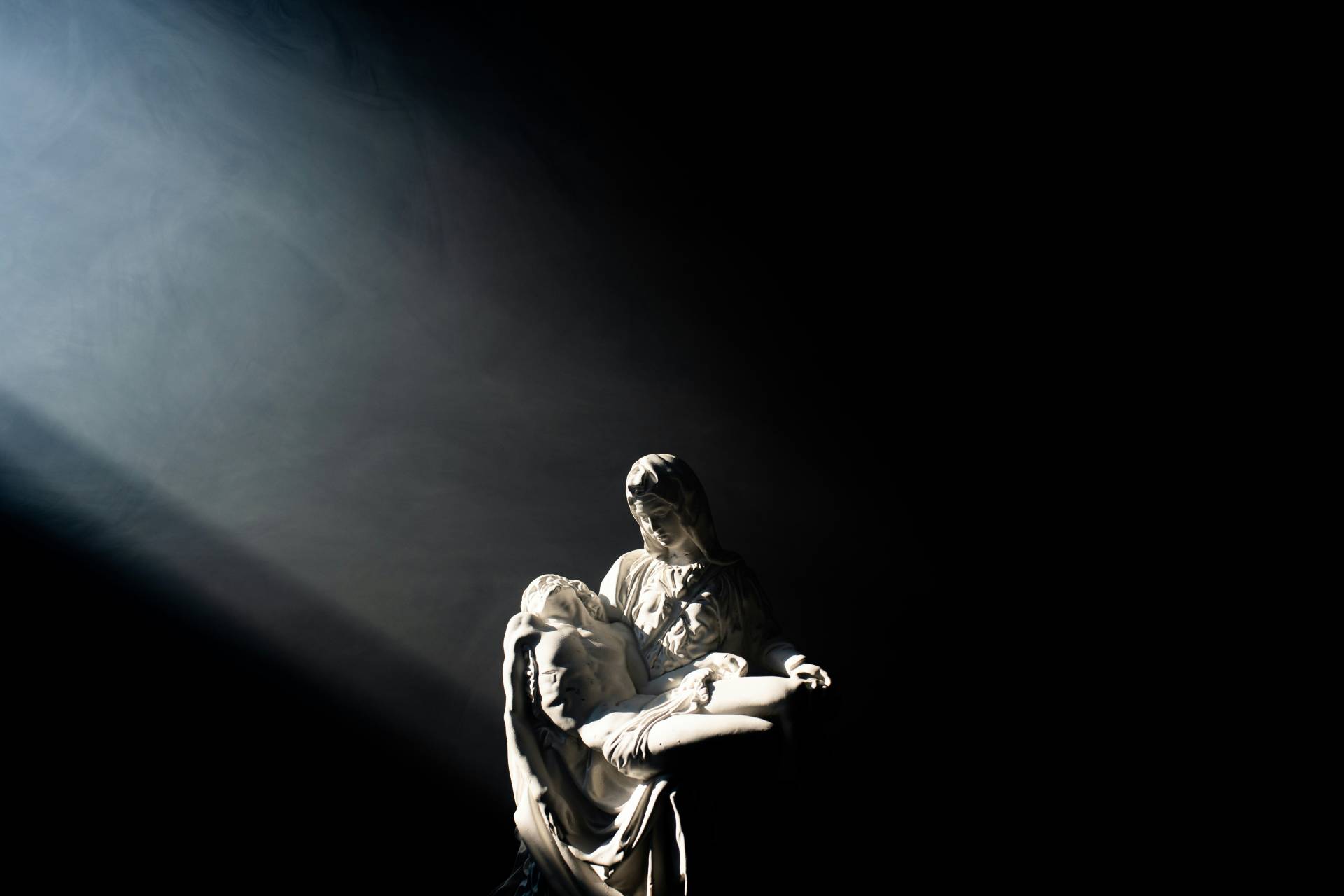
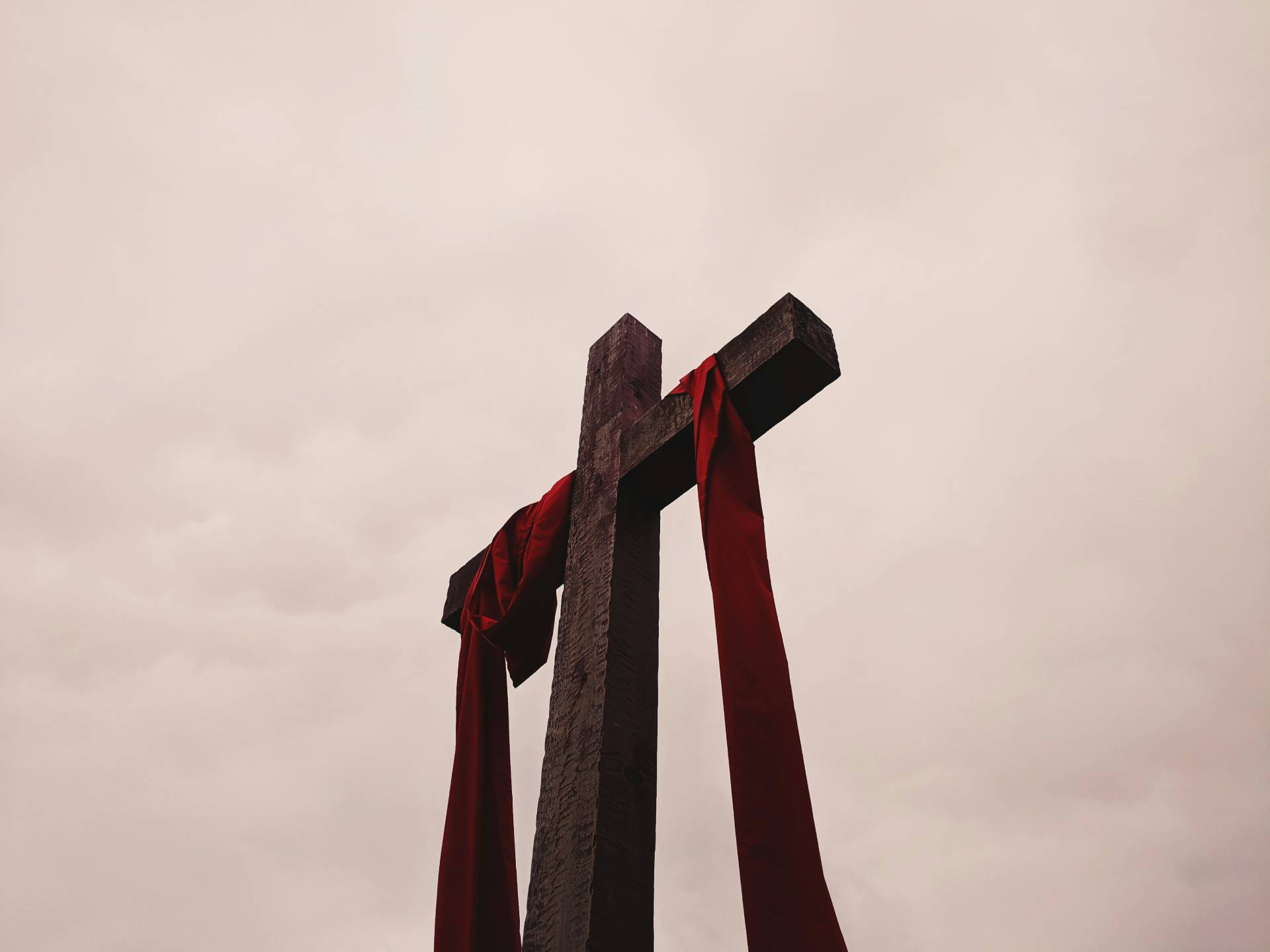
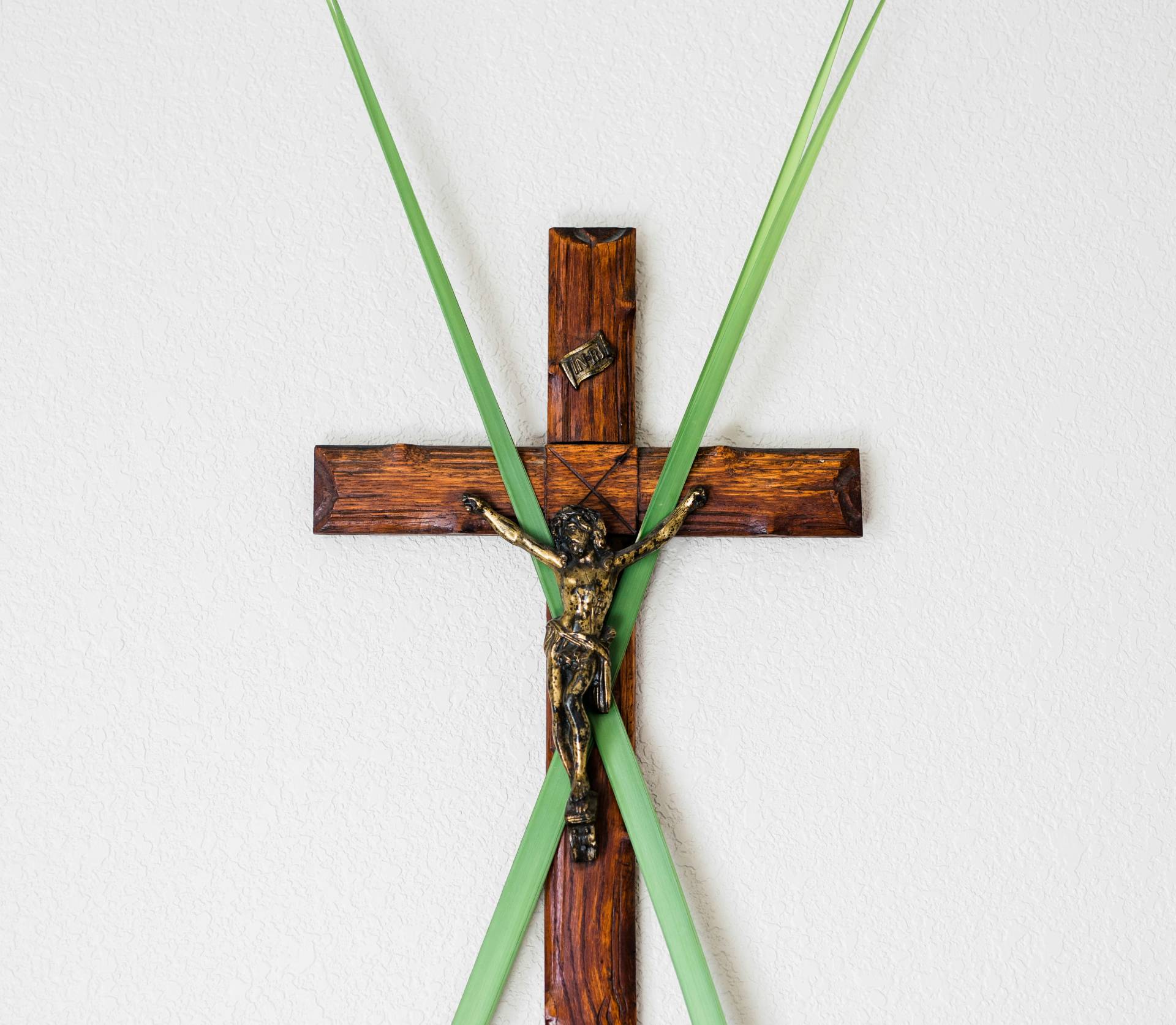
The Crucifixion is the historical death of Jesus on the cross — not a tragedy but the fulfillment of God's saving plan, the perfect sacrifice that accomplished the redemption of all humanity.
The Crucifixion is the historical event in which Jesus Christ was nailed to a cross and executed outside the walls of Jerusalem under the Roman governor Pontius Pilate — the act by which he offered the perfect sacrifice for the sins of humanity and accomplished our redemption (CCC 571, 601–618).
The Historical Event
After his trial before Pilate, Jesus was scourged, crowned with thorns, and forced to carry his cross to Golgotha (Calvary) outside Jerusalem. There he was crucified between two criminals. He hung on the cross for approximately six hours, from nine in the morning until three in the afternoon, when he died. His body was taken down and buried in a tomb belonging to Joseph of Arimathea before the Sabbath began (Matthew 26–27; CCC 596–618).
The Theological Meaning
The Crucifixion was not a tragedy or a political accident — it was the fulfillment of God's saving plan, foretold in Isaiah 53 and prepared throughout the history of Israel's sacrificial system. On the cross, Christ freely offered himself as the perfect sacrifice — simultaneously priest and victim — making full atonement for the sins of all humanity (CCC 606–618).
The Seven Last Words
From the cross Jesus spoke seven times: "Father, forgive them, for they know not what they do" (Luke 23:34); "Today you will be with me in paradise" (Luke 23:43); "Woman, behold your son" (John 19:26); "My God, my God, why have you forsaken me?" (Matthew 27:46); "I thirst" (John 19:28); "It is finished" (John 19:30); "Father, into your hands I commend my spirit" (Luke 23:46; CCC 603).
Frequently Asked Questions
Who is responsible for the crucifixion of Jesus? The Catechism is explicit: sinners — meaning all of us — bear responsibility for Christ's death through our sins. The Church strongly condemns any attempt to blame the Jewish people collectively, ancient or modern, for the crucifixion (CCC 597–598).
May the Lord bless you and keep you.
Browse
All glossary terms
Join the community
Subscribe to our weekly newsletter for curated inspiration, delivered to your inbox.
We never share your data. See Privacy Policy for more info.