



























2 min read
The Fiat
The Fiat is Mary's 'let it be done to me according to your word' at the Annunciation — the pivotal act of free human cooperation that made the Incarnation possible, and the model for every Christian life.
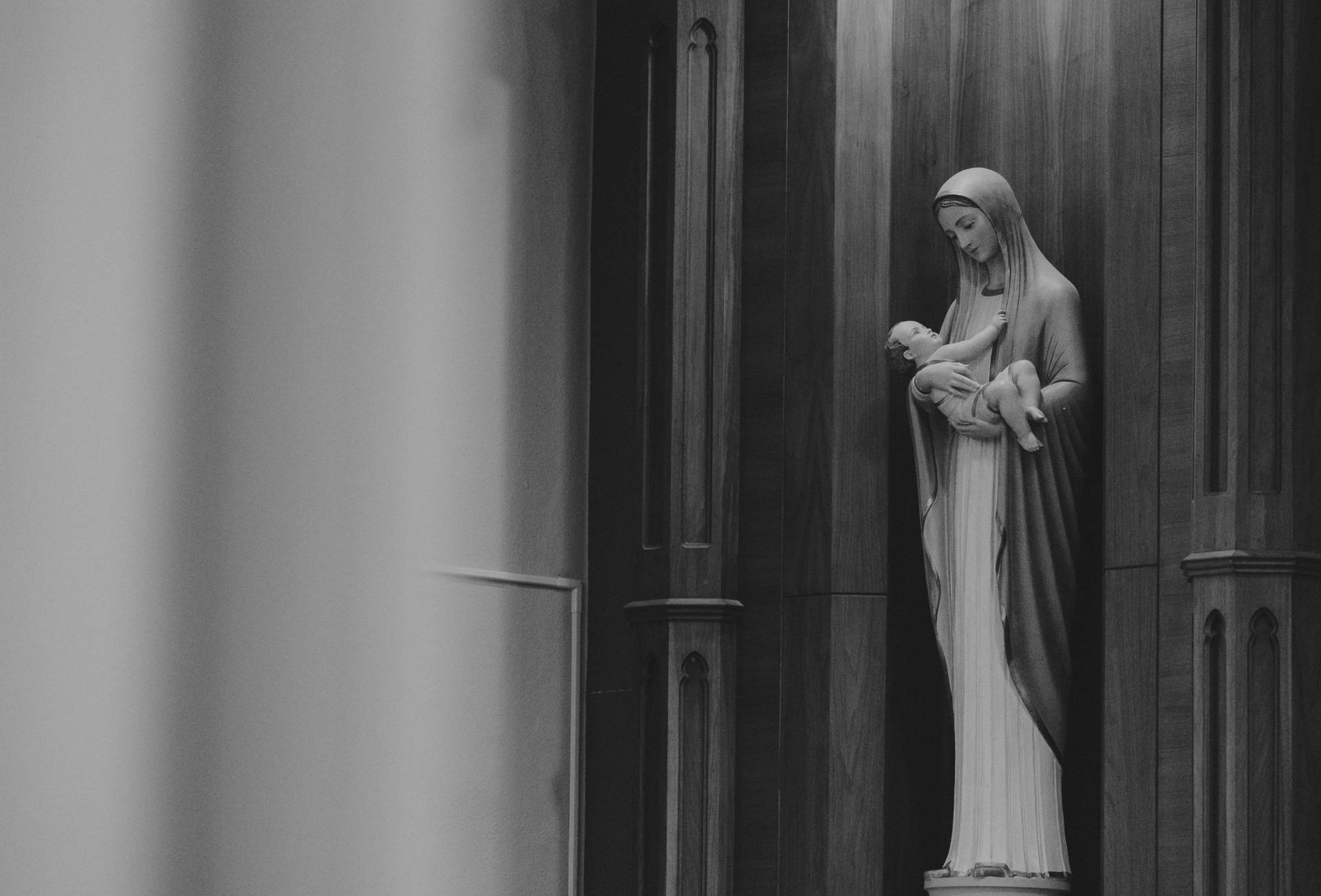
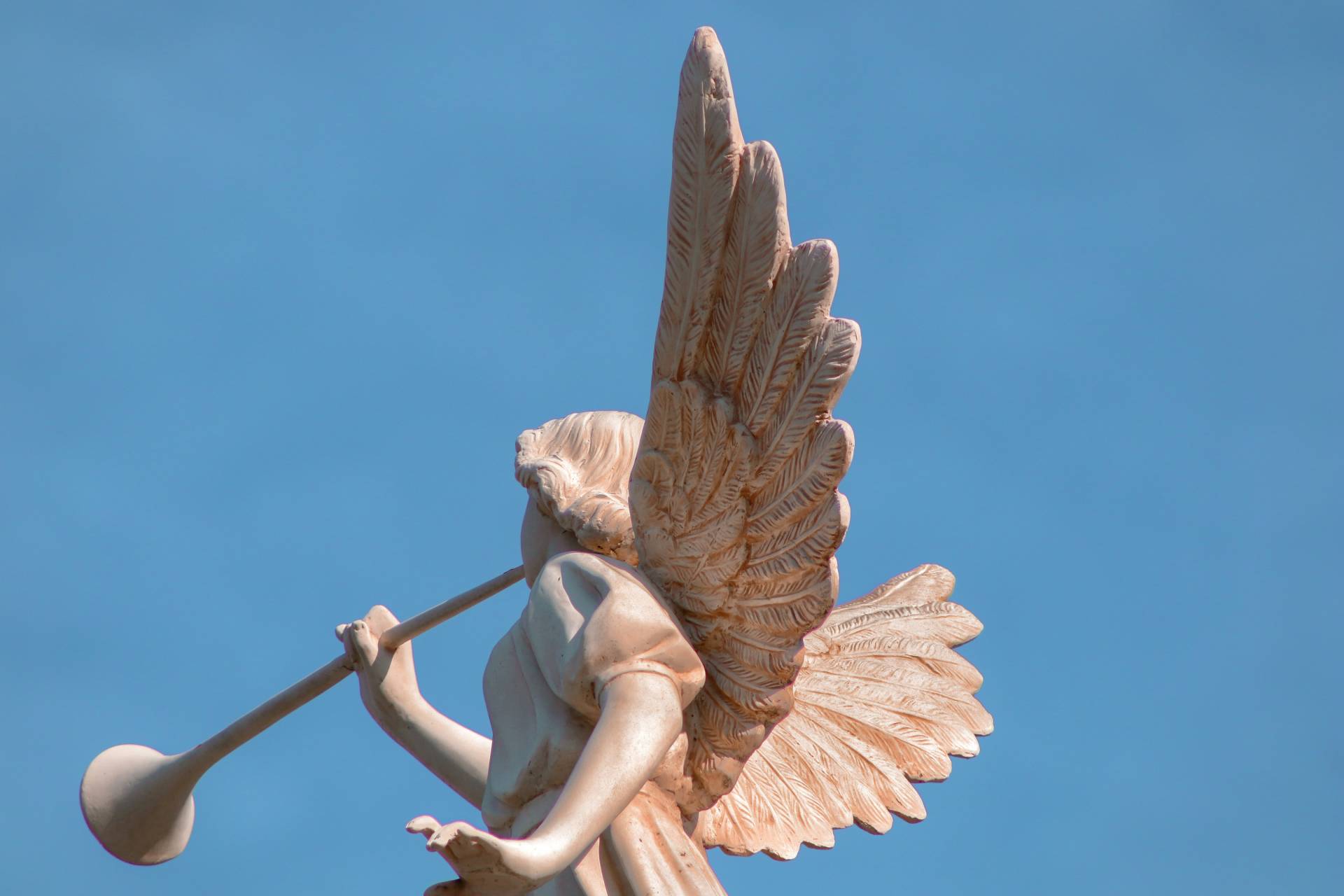
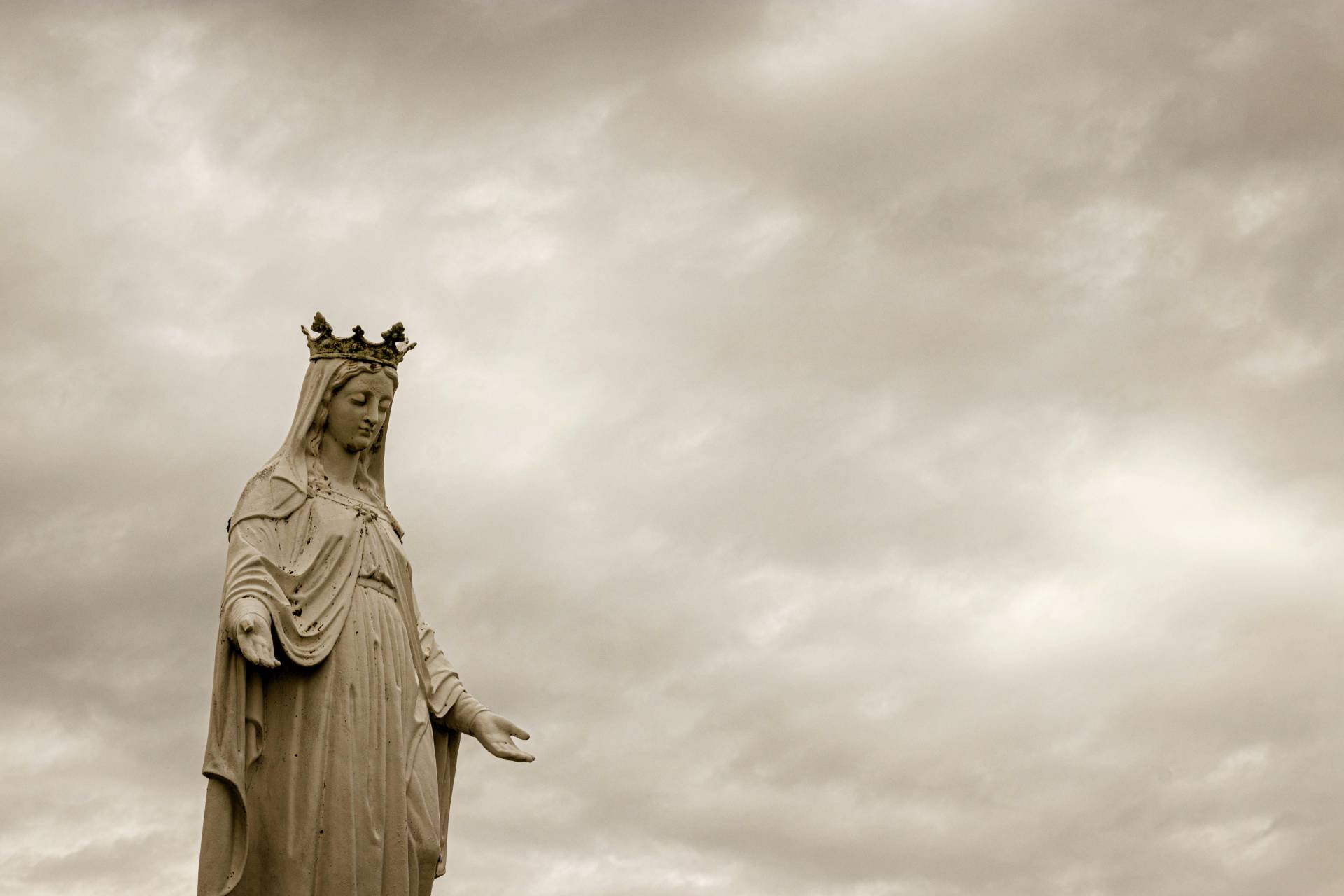
The Fiat is Mary's response to the angel Gabriel at the Annunciation: "Behold, I am the handmaid of the Lord. May it be done to me according to your word" (Luke 1:38). The word comes from the Latin fiat — "let it be done" — and is the pivotal act of human cooperation with the divine plan of salvation (CCC 494).
The Moment of the Incarnation
The Fiat is the moment of the Incarnation. The eternal Son of God did not take flesh without Mary's free consent — God offered her the role of Mother of the Messiah and waited for her response. Her "yes" was informed, free, and total: informed (she understood what was being asked), free (she could have refused), and total (she placed no conditions on her availability to God's will). The Incarnation — the hinge of all history — depended on the free "yes" of a young woman from Nazareth (CCC 494).
Mary as the New Eve
The Church has always contrasted Mary's "yes" with Eve's "no." Where Eve, faced with a choice, chose her own will over God's and brought death into the world, Mary chose God's will over her own fears and uncertainties and brought Life into the world. Justin Martyr and Irenaeus developed this New Eve typology in the 2nd century — it is one of the oldest Marian doctrines in Christian tradition (CCC 494, 511).
The Fiat as a Model for Every Christian
Mary's Fiat is not only a historical event — it is the pattern of the entire Christian life. Every Christian is called to say "fiat" — "your will be done" — to whatever God asks. The Lord's Prayer itself is a Fiat: "thy will be done on earth as it is in heaven" (Matthew 6:10; CCC 2617).
Frequently Asked Questions
Could Mary have said no? Yes. The Fiat was a genuine free act — not predetermined by God in a way that eliminated freedom. God invited; Mary freely accepted. Her freedom was not diminished by her sinlessness (the Immaculate Conception) — it was perfected by it. The sinless will is the most perfectly free will (CCC 494).
May the Lord bless you and keep you.
Browse
All glossary terms
Join the community
Subscribe to our weekly newsletter for curated inspiration, delivered to your inbox.
We never share your data. See Privacy Policy for more info.