





























2 min read
The Immaculate Conception
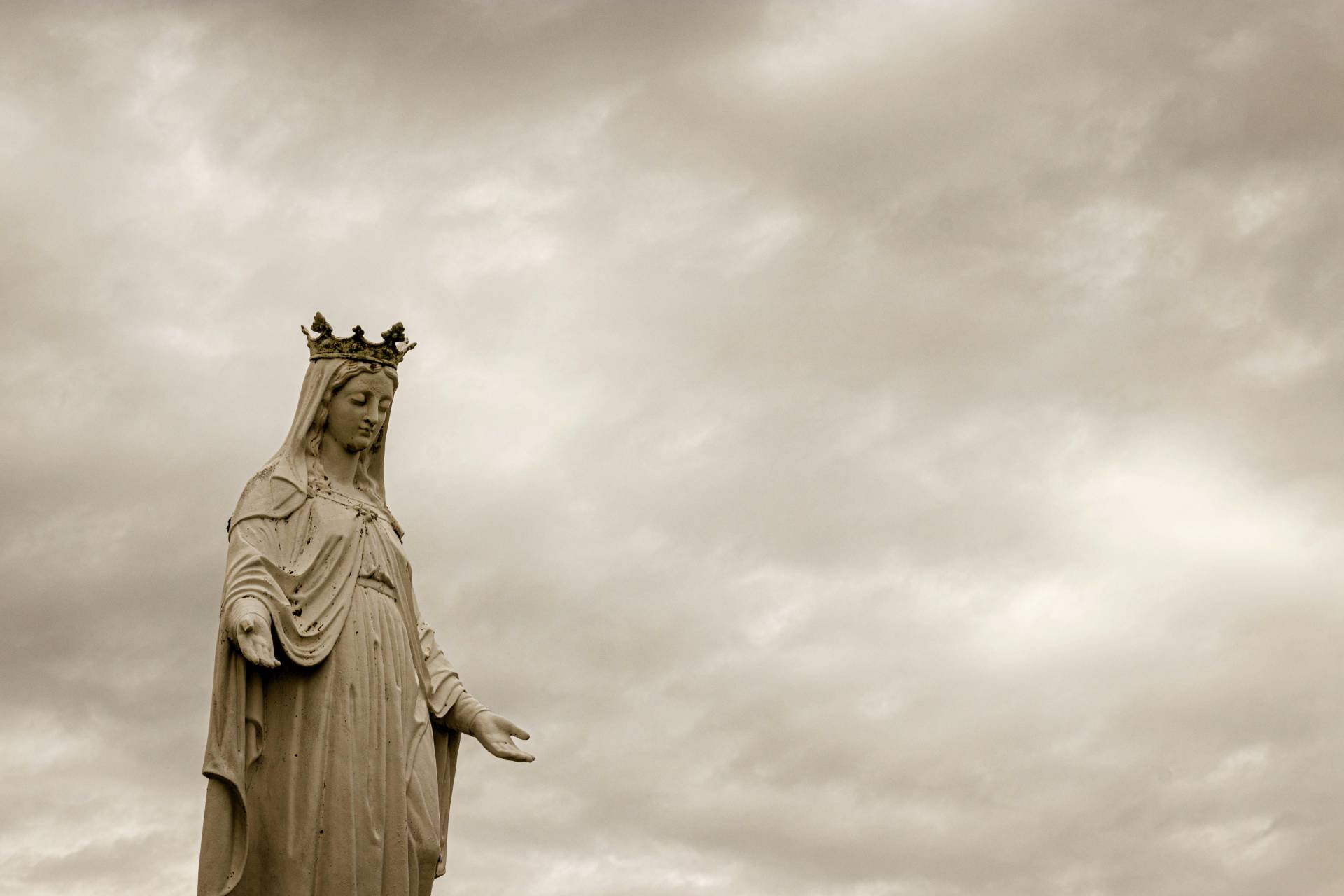
The Immaculate Conception is the dogma that Mary was preserved from Original Sin from the very first moment of her conception, by a singular grace in view of Christ's merits.
The Immaculate Conception is the dogma that from the first moment of her conception, Mary — by the singular grace of God and by virtue of the merits of Jesus Christ — was preserved immune from Original Sin (CCC 491).
What It Means — and What It Does Not Mean
The Immaculate Conception refers to Mary's own conception in the womb of her mother, St. Anne — not to the virginal conception of Jesus, which is a very common confusion. At that first moment of Mary's existence, God preserved her from the Original Sin every other human being inherits. She was not cleansed of it — she was never touched by it.
A Work of Christ's Redemption
The Immaculate Conception is not an exception to Christ's redemption — it is its most perfect application. Mary was redeemed by Christ, but "preemptively" — preserved from sin in advance, in view of her Son's merits. She needed a Savior no less than we do (CCC 492).
Gabriel's Greeting
At the Annunciation, Gabriel greeted Mary as kecharitōmenē — "full of grace" (Luke 1:28). This Greek perfect passive participle indicates a completed and permanent state of grace that predated the Annunciation — pointing to the Immaculate Conception (CCC 490–493).
Frequently Asked Questions
When was this defined? Pope Pius IX formally defined the Immaculate Conception as a dogma on December 8, 1854, in the apostolic constitution Ineffabilis Deus. Four years later, at Lourdes, Mary identified herself to St. Bernadette: "I am the Immaculate Conception."
Is this in the Bible? The Immaculate Conception is implicit in Scripture — especially in Gabriel's greeting (Luke 1:28) and in Genesis 3:15, where enmity is placed between the serpent and "the woman." The doctrine was unfolded by the Church over centuries of theological reflection (CCC 490–493).
May the Lord bless you and keep you.
Browse
All glossary terms
Join the community
Subscribe to our weekly newsletter for curated inspiration, delivered to your inbox.
We never share your data. See Privacy Policy for more info.