





























1 min read
The Incarnation
The Incarnation is the mystery of the Son of God becoming man — taking on full human nature while remaining fully divine — to save us from sin and make us sharers in divine life.
The Incarnation is the mystery by which the eternal Son of God assumed a complete human nature — body and soul — and became man, without ceasing to be God, in order to accomplish our salvation (CCC 461, 464).
Why God Became Man
The Catechism gives four reasons: to save us from sin by reconciling us with God; to reveal God's love concretely; to offer us a model of holiness; and to make us partakers in the divine nature (2 Peter 1:4) — to allow human beings to share in God's own life (CCC 456–460).
True God and True Man
The Council of Chalcedon (451 AD) defined the Incarnation precisely: in Jesus Christ, two complete natures — divine and human — are united in one divine Person without confusion, change, division, or separation. This is the Hypostatic Union. Jesus is not half God and half man — he is fully both (CCC 464–469).
Born of the Virgin Mary
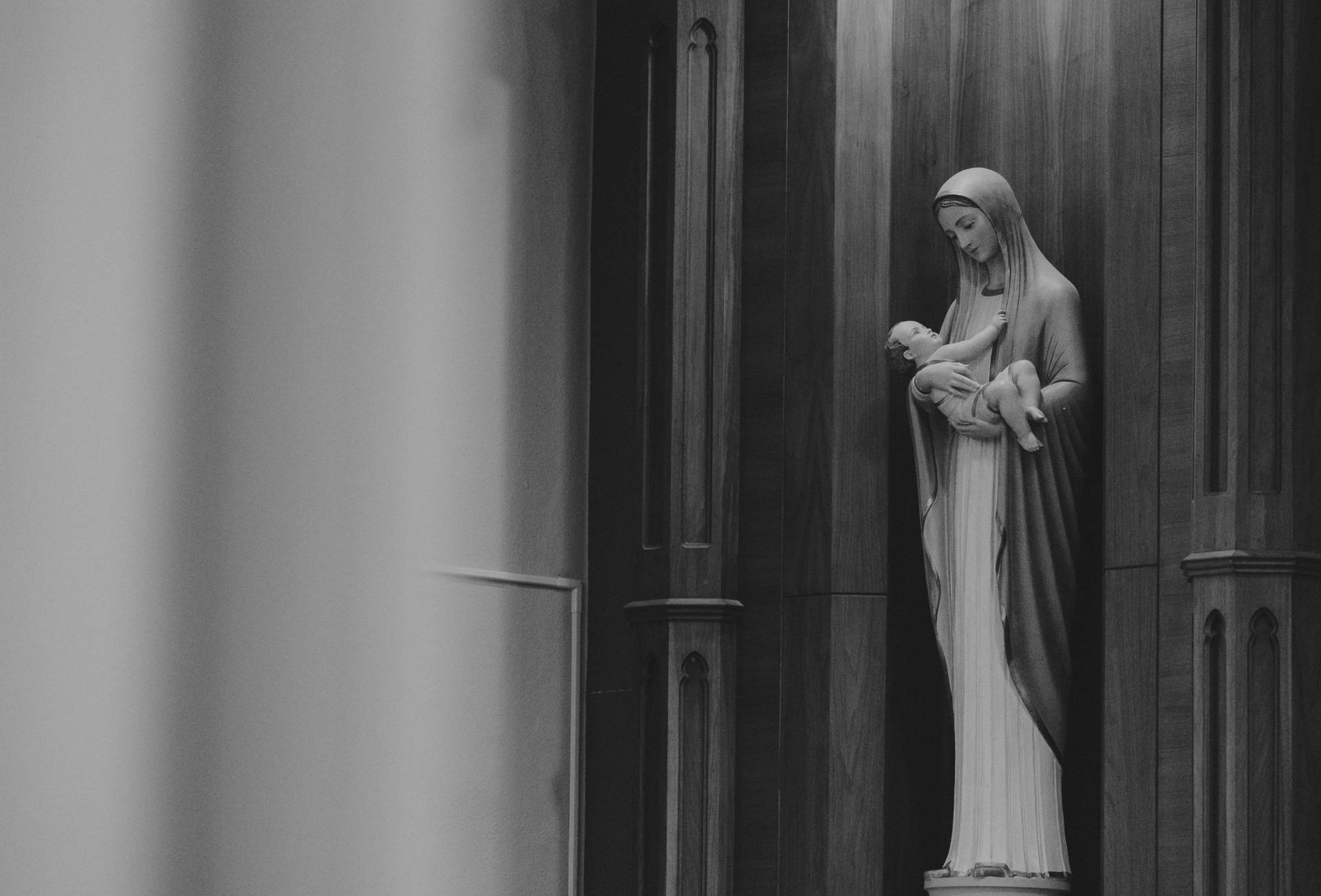
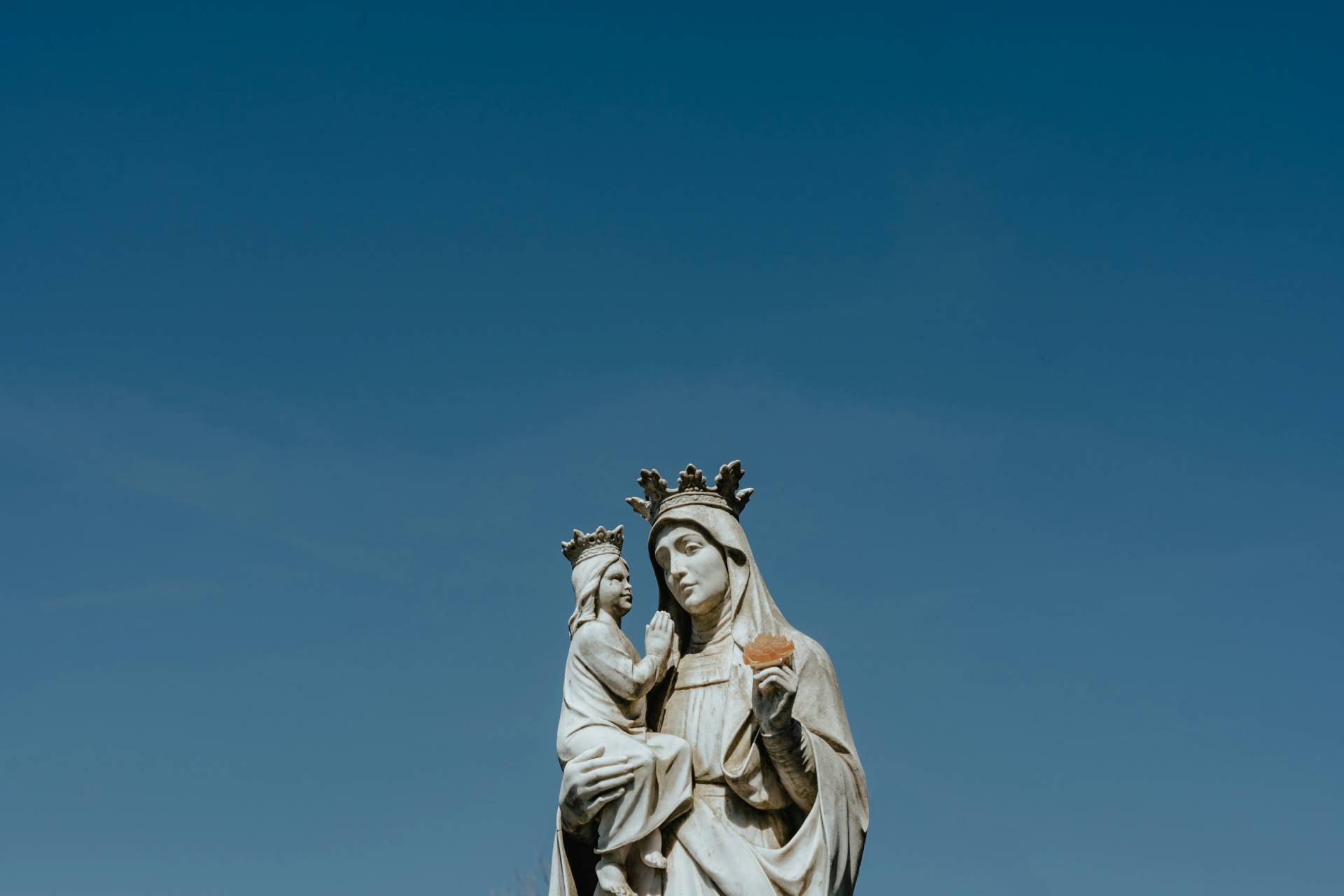
The Incarnation took place through the Virgin Mary, who conceived the Son of God by the power of the Holy Spirit without a human father. At the Annunciation, Mary freely gave her consent: "Let it be done to me according to your word" (Luke 1:38; CCC 484–486).
Frequently Asked Questions
Did Jesus know he was God? Yes. Christ, in his human intellect, knew his divine identity and mission from the beginning of his earthly life — though he grew in wisdom in a human way. His divine knowledge exceeded what he chose to express publicly at certain moments (CCC 472–474).
May the Lord bless you and keep you.
Browse
All glossary terms
Join the community
Subscribe to our weekly newsletter for curated inspiration, delivered to your inbox.
We never share your data. See Privacy Policy for more info.