























1 min read
The Paschal Mystery
The Paschal Mystery is Christ's Passion, death, Resurrection, and Ascension — the central event of human history that accomplished our redemption and is made present in the Church's liturgy.
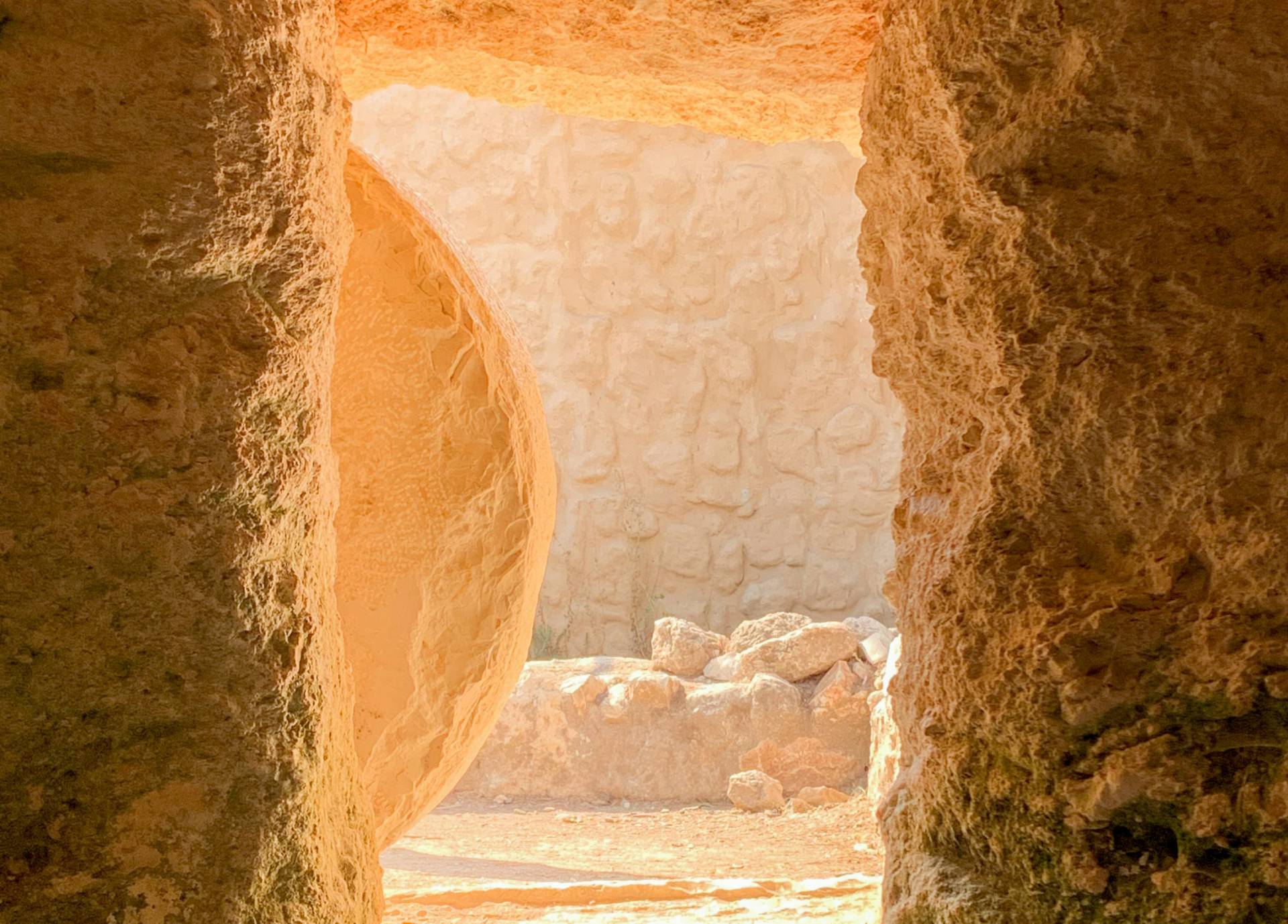
The Paschal Mystery is Christ's work of redemption accomplished principally through his Passion, death, Resurrection, and Ascension — the passage from death to life through which he opened the way of salvation for all humanity. It is the central event of human history and the center of the Church's liturgy (CCC 1067).
Why "Paschal"
The word "Paschal" comes from the Hebrew Pesach — Passover. Christ's death and resurrection is the new and definitive Passover: as the ancient Passover liberated Israel from slavery in Egypt by the blood of the lamb, Christ's sacrifice liberates all humanity from the slavery of sin by his own blood. He is the Lamb of God (John 1:29; CCC 608).
Made Present in the Liturgy
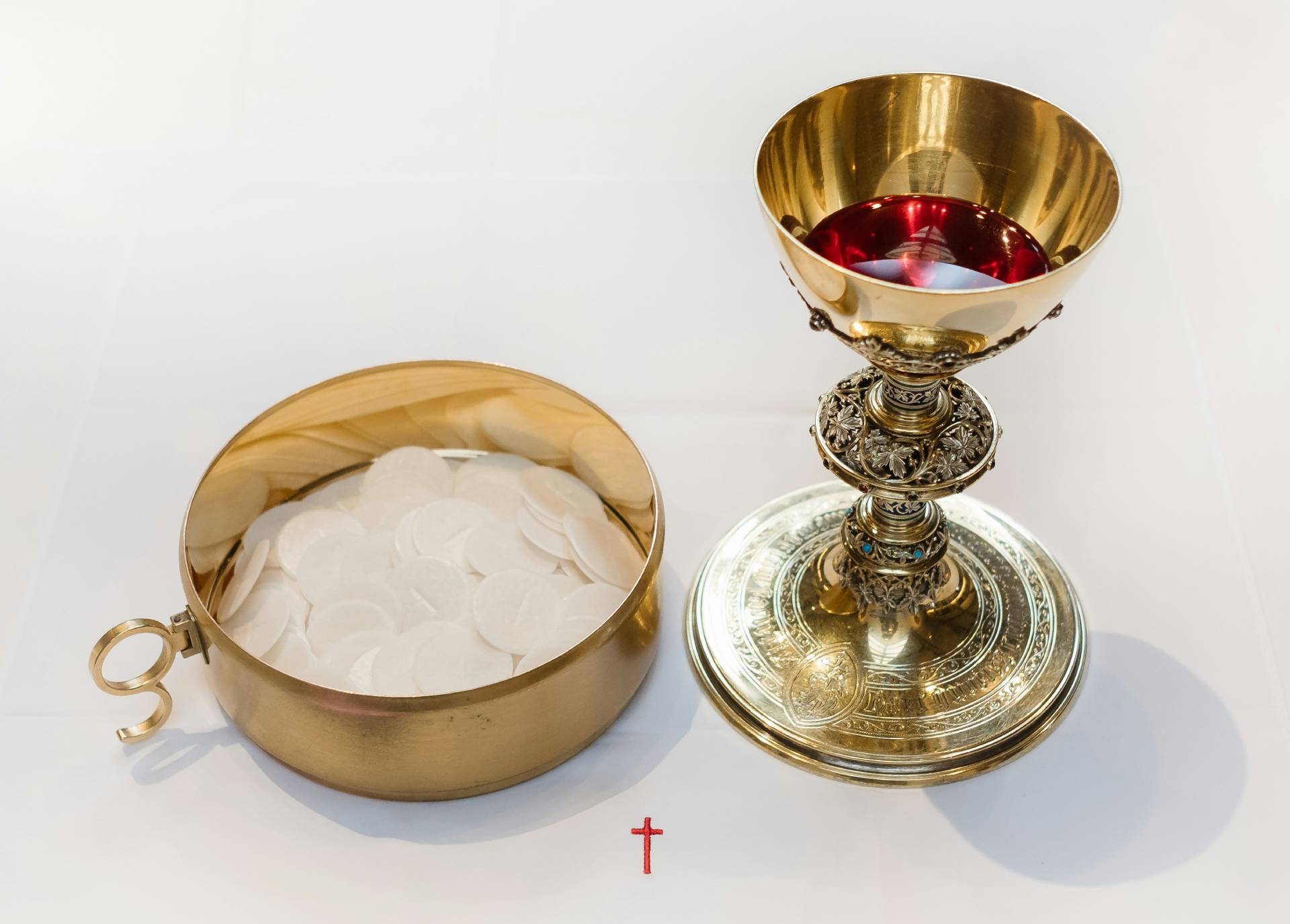
The Paschal Mystery is not merely a past event — it is made present and effective in the Church's liturgy, especially in the sacraments. "As often as the sacrifice of the cross by which Christ our Pasch is sacrificed is celebrated on the altar, the work of our redemption is carried out" (LG 3; CCC 1068). Every Mass, every Baptism, every sacrament draws its power from the Paschal Mystery.
Frequently Asked Questions
Is the Paschal Mystery just another name for Easter? No — it is broader. The Paschal Mystery encompasses the entire sequence: the Passion, death, Resurrection, and Ascension. Easter celebrates the Resurrection, which is the climax of the Paschal Mystery but not its entirety. The whole Triduum is the liturgical celebration of the Paschal Mystery (CCC 1067).
May the Lord bless you and keep you.
Browse
All glossary terms
Join the community
Subscribe to our weekly newsletter for curated inspiration, delivered to your inbox.
We never share your data. See Privacy Policy for more info.