


























2 min read
The Perpetual Virginity of Mary
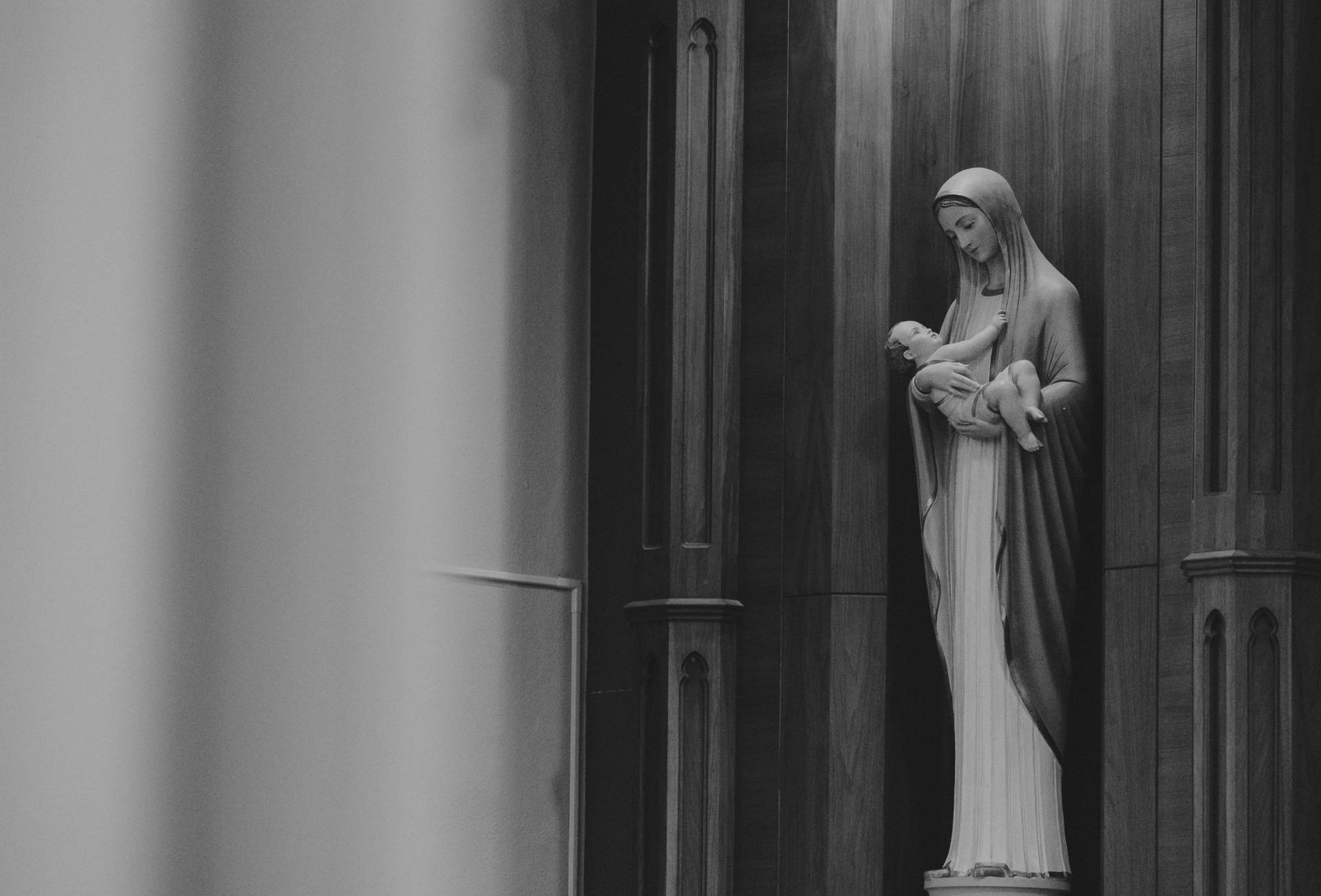
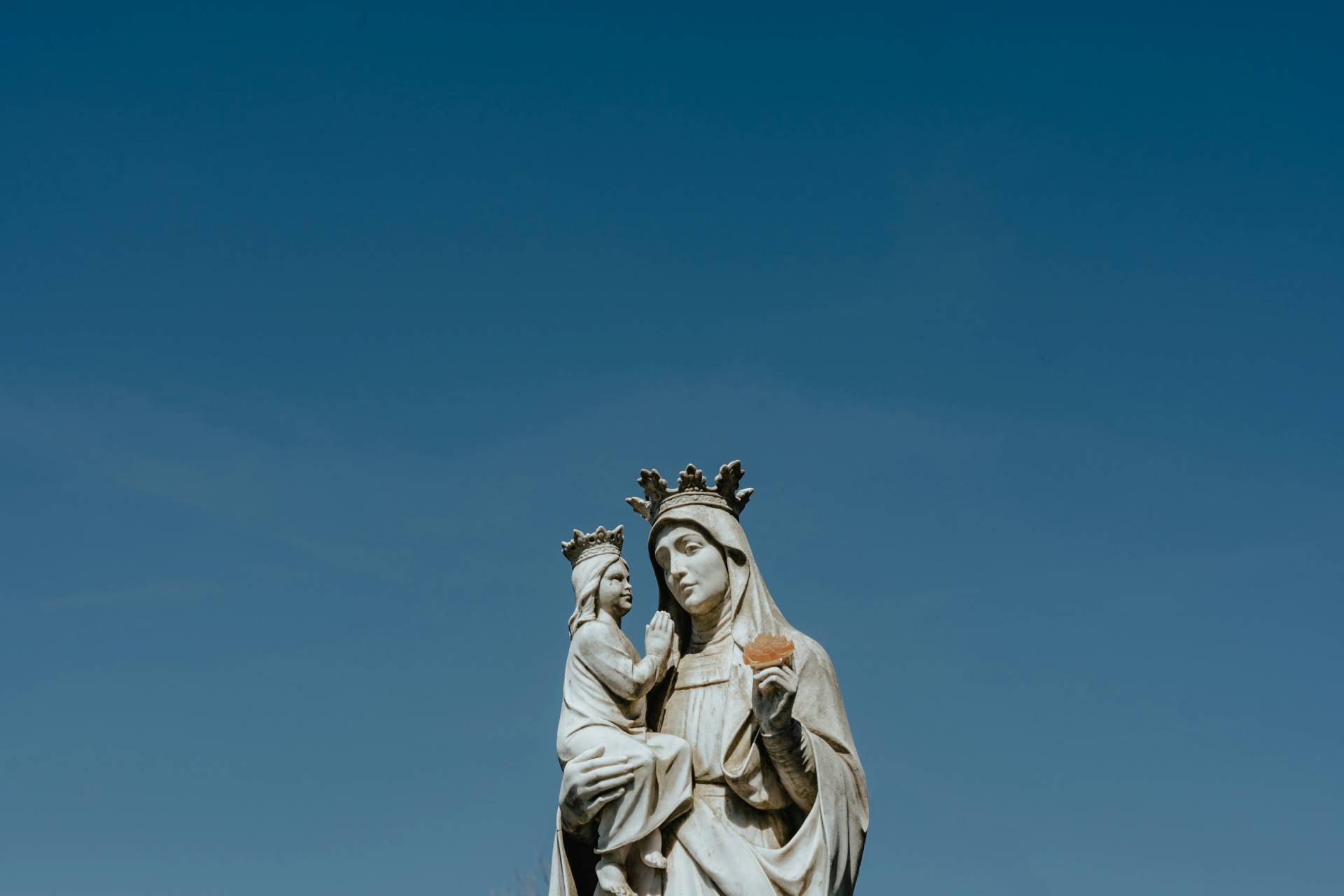
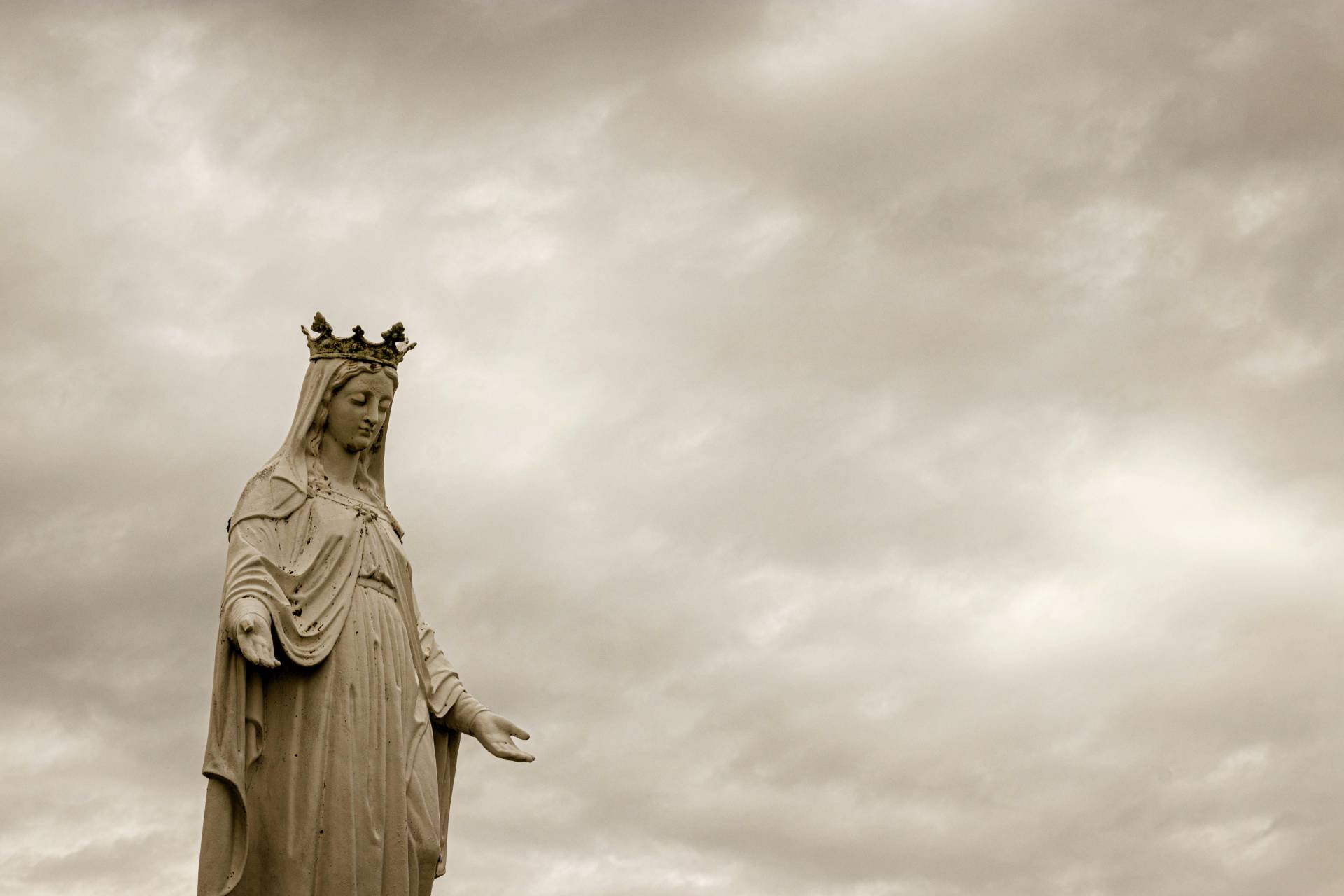
The Perpetual Virginity of Mary is the dogma that Mary remained a virgin before, during, and after the birth of Jesus — her entire being consecrated to God throughout her earthly life.
The Perpetual Virginity of Mary is the dogma that the Virgin Mary remained a virgin before, during, and after the birth of Jesus — throughout her entire earthly life. This is not simply about physical integrity but about the totality of her consecration to God (CCC 499–507).
Before, During, and After
The Church distinguishes three aspects of Mary's virginity. Before the birth of Jesus: she conceived by the Holy Spirit without a human father (the Virgin Birth). During the birth: Catholic tradition holds that Mary's virginity was preserved even in the act of giving birth — Jesus was born miraculously, leaving her bodily integrity intact, as a sign that this birth was unlike any other. After the birth: Mary remained a virgin for the rest of her earthly life (CCC 499–501).
The "Brothers of Jesus"
The New Testament references to Jesus's "brothers" are the primary textual challenge to the perpetual virginity. The Church's explanation — held by the Eastern Orthodox tradition and Catholic tradition alike — is that these were cousins or close male relatives, following the common Semitic usage of the Greek word adelphos in a broad sense. Joseph's children from a prior marriage is another ancient tradition (CCC 500).
The Theological Significance
Mary's perpetual virginity is not merely a physical fact — it expresses the totality of her gift to God. Her entire being — body and soul — was given entirely to the Lord, making her the model of consecrated virginity and the supreme example of self-giving love (CCC 506).
Frequently Asked Questions
Is the perpetual virginity a defined dogma? Yes. The Second Council of Constantinople (553 AD) defined Mary as "Ever-Virgin" (Aeiparthenos). The title is ancient — appearing in Church writings from the 2nd century — and has never been seriously questioned within the Catholic or Orthodox traditions (CCC 499).
May the Lord bless you and keep you.
Browse
All glossary terms
Join the community
Subscribe to our weekly newsletter for curated inspiration, delivered to your inbox.
We never share your data. See Privacy Policy for more info.