





























1 min read
The Problem of Evil
The problem of evil asks how an all-good, all-powerful God can permit suffering. The Church's response centers on human freedom, divine providence, and Christ crucified.
The problem of evil is the philosophical and theological question of how a God who is all-good, all-knowing, and all-powerful can permit the existence of evil and suffering in the world. It is the most serious objection raised against belief in God (CCC 309).
The Church's Response
The Church does not offer a simple explanation that dissolves the problem. She offers several complementary responses: God respects human freedom, and much evil results from the free choices of human beings. God can and does bring good out of evil — supremely in the cross, where the murder of the Son of God became the source of humanity's redemption. The full answer to evil will only be seen at the end of history, in the light of resurrection and the new creation (CCC 309–314).
Christ Crucified as the Answer
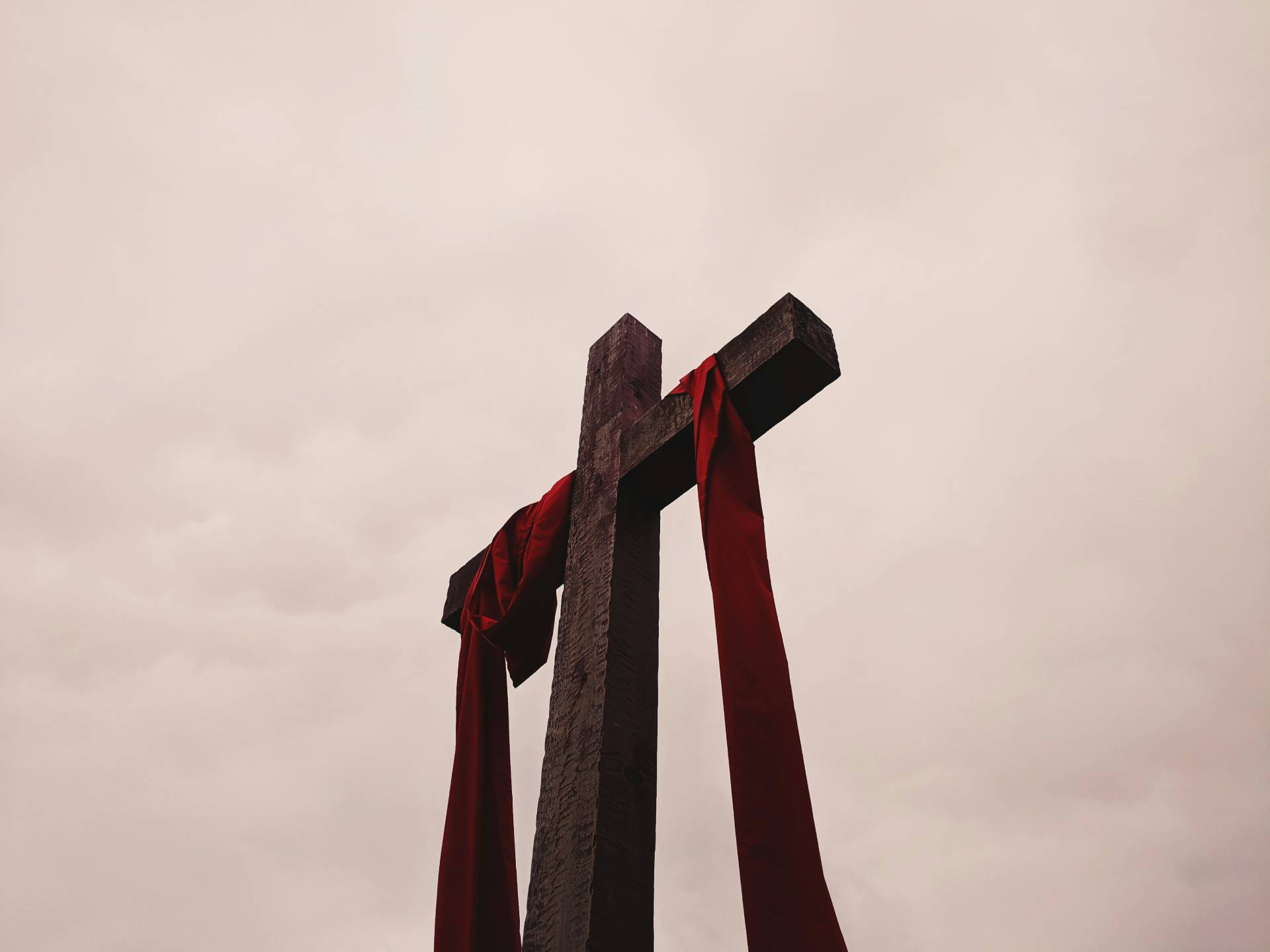
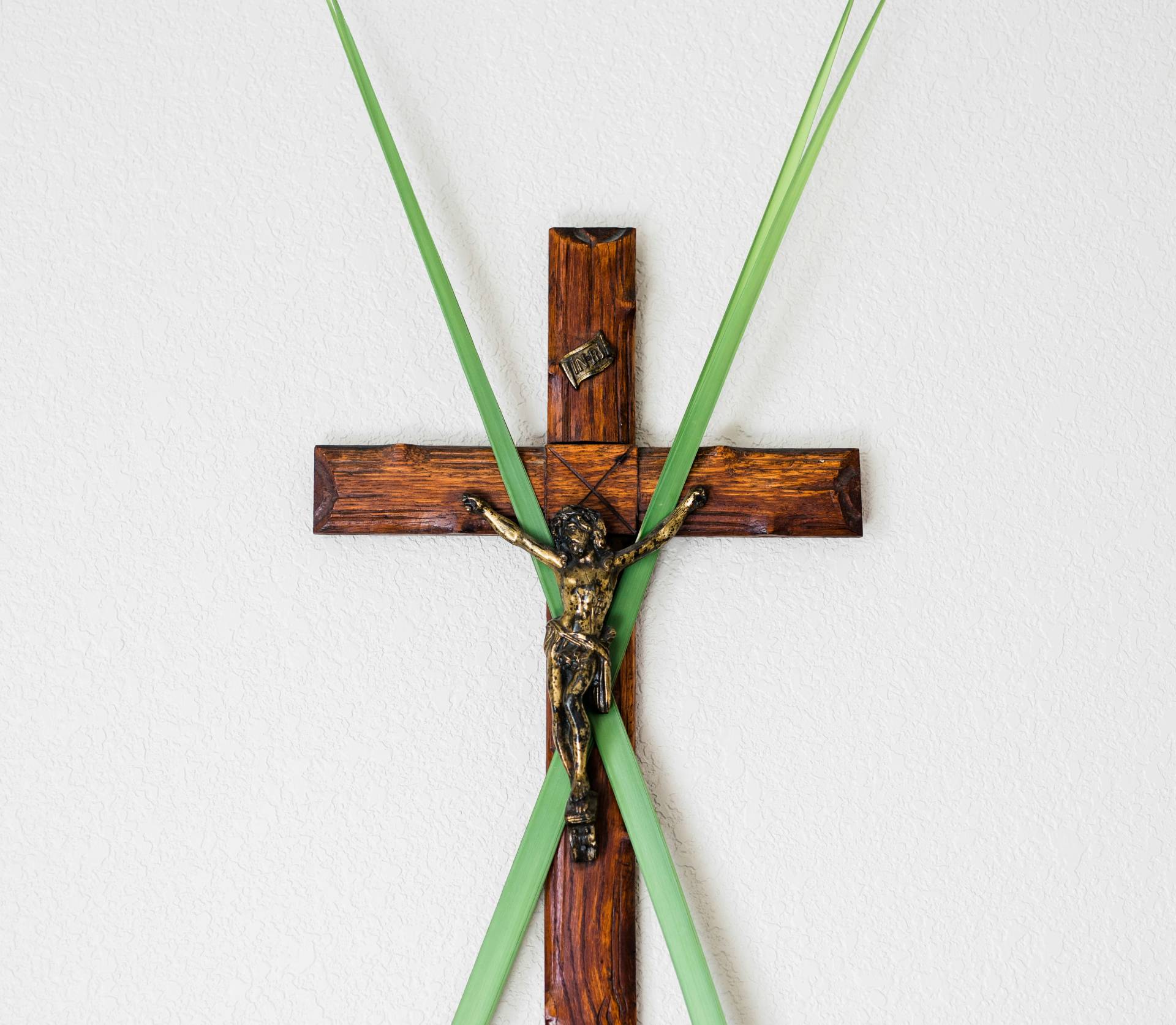
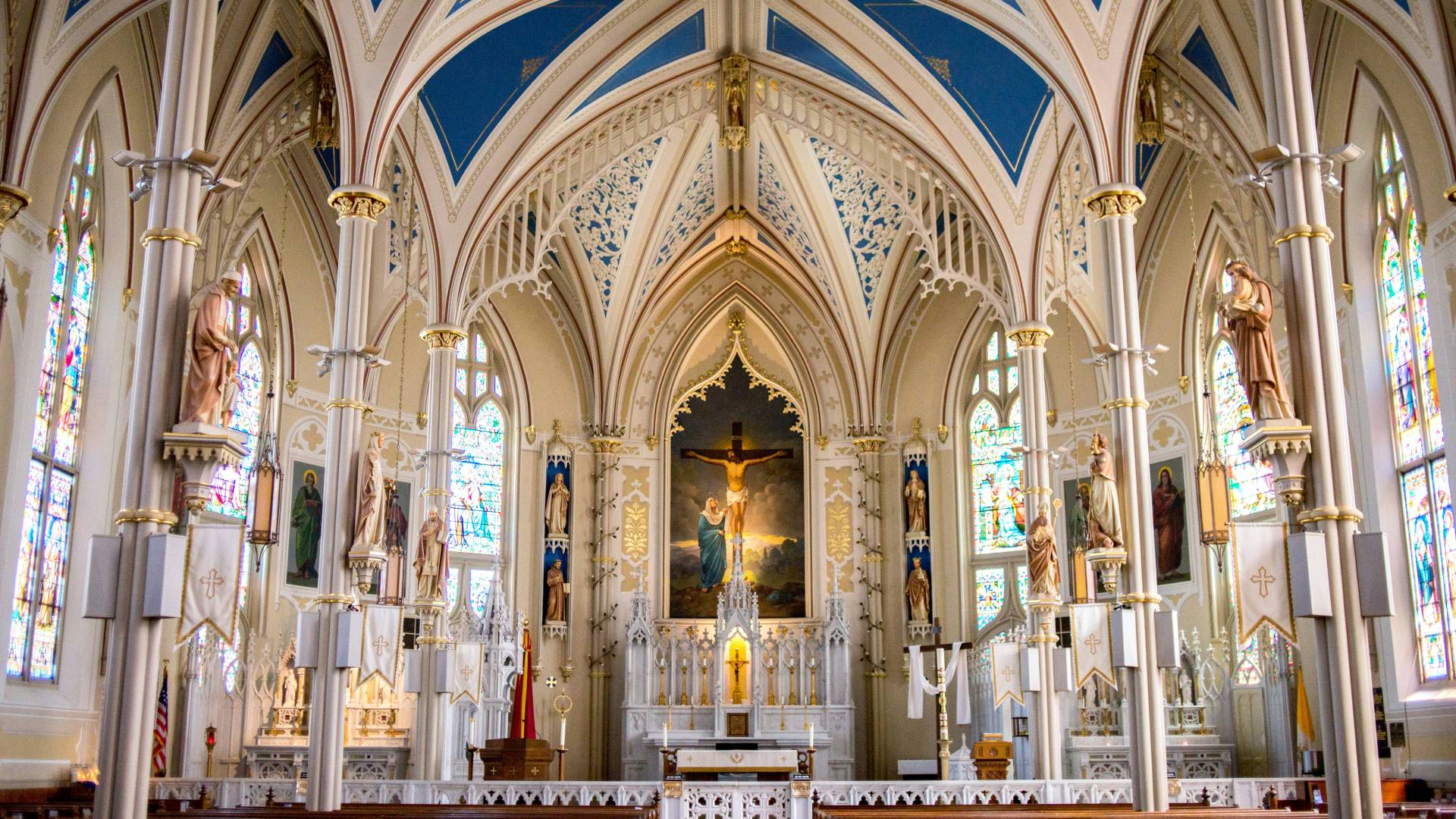
The deepest Catholic response to the problem of evil is not a philosophical argument but a Person — Jesus Christ, who did not explain suffering from a safe distance but entered into it, suffered it to the uttermost, and rose from it in triumph. The cross is not proof that God is indifferent to suffering — it is proof that God suffers with us and that suffering does not have the last word (CCC 272, 309).
Frequently Asked Questions
Did God create evil? No. God created everything good (Genesis 1:31). Evil is not a thing but a privation — the absence of a good that should be present. Moral evil (sin) entered the world through the misuse of creaturely freedom. Physical evil (suffering, death) is a consequence of Original Sin and the disordering of creation (CCC 311, 385).
May the Lord bless you and keep you.
Browse
All glossary terms
Join the community
Subscribe to our weekly newsletter for curated inspiration, delivered to your inbox.
We never share your data. See Privacy Policy for more info.