
































1 min read
The Resurrection of Christ
The Resurrection of Christ is the historical, bodily rising of Jesus from the dead on the third day — the cornerstone of all Christian faith and the foundation of our hope.
The Resurrection of Christ is the historical event by which Jesus of Nazareth — who had truly died and been buried — rose from the dead on the third day by his own divine power, bodily, gloriously, and definitively. It is the cornerstone of the Christian faith (CCC 638, 651).
A Real, Bodily Resurrection
The Resurrection is not a resuscitation or a spiritual experience of the disciples. Jesus rose to a new, glorified bodily existence that transcends death. His body was real and tangible — he ate, was touched, showed his wounds — yet transformed: no longer subject to space, time, or death (CCC 645–646).
The Evidence
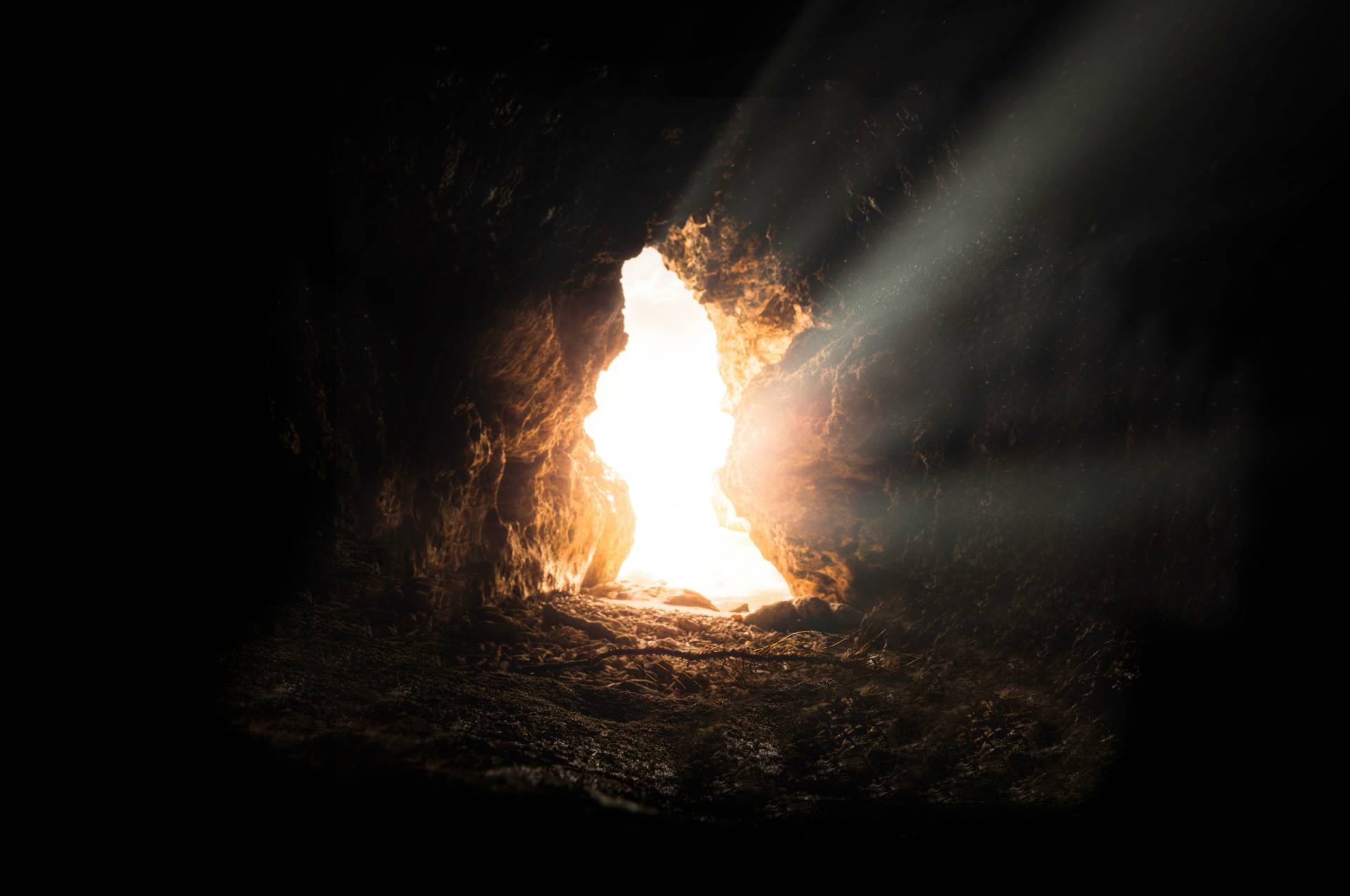
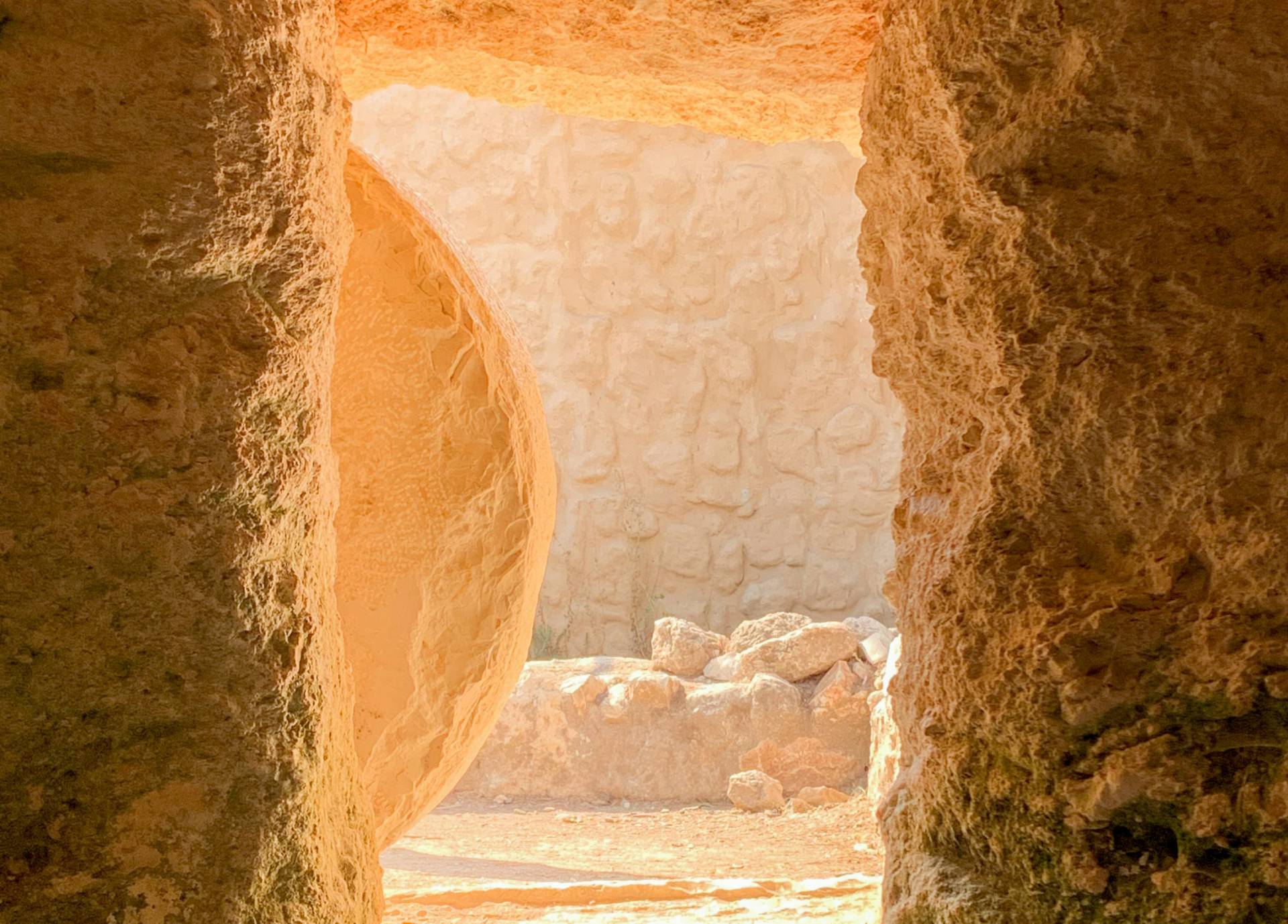
The Resurrection is attested by the empty tomb; by post-Resurrection appearances to many witnesses including more than five hundred at once (1 Corinthians 15:6); and by the transformation of the Apostles from frightened fugitives into fearless martyrs. "If Christ has not been raised, your faith is futile" (1 Corinthians 15:17; CCC 643–647).
Why It Matters
The Resurrection confirms Christ's divinity, ratifies his atoning sacrifice, conquers death, and is the foundation of our hope. Because Christ rose, death does not have the last word — those who die in him will also rise (CCC 651–655).
Frequently Asked Questions
Could the Resurrection be a legend? No. Paul's testimony in 1 Corinthians 15:3–8, written within twenty years of the event, cites eyewitnesses still alive who could be questioned. The Resurrection is not a late legend but the earliest and most fundamental Christian proclamation (CCC 647).
May the Lord bless you and keep you.
Browse
All glossary terms
Join the community
Subscribe to our weekly newsletter for curated inspiration, delivered to your inbox.
We never share your data. See Privacy Policy for more info.