






























1 min read
Ecumenism
Ecumenism is the movement to restore visible unity among all Christians — embraced by the Catholic Church as prompted by the Holy Spirit, seeking truth and love toward full communion.
Ecumenism is the movement to restore unity among all Christians — a movement that the Catholic Church recognizes as prompted by the Holy Spirit and has wholeheartedly embraced since the Second Vatican Council (CCC 820–822).
The Goal of Ecumenism
The goal is the visible unity of all Christians — the reunion of the separated brethren into one Church, as Christ prayed: "That they may all be one... so that the world may believe that you have sent me" (John 17:21). This unity is not mere mutual tolerance or organizational cooperation, but genuine communion in faith, sacraments, and governance (CCC 820).
What Ecumenism Is Not
Ecumenism does not mean doctrinal relativism — the pretense that theological differences do not matter or that all denominations are equally expressions of Christ's one Church. The Catholic Church is committed to truth as the foundation of genuine unity. Nor does it mean abandoning the Catholic claim to be the one Church of Christ (CCC 817–819).
The Means of Ecumenism
The Catechism identifies several means: interior renewal and repentance; common prayer; theological dialogue; cooperation in works of charity; witnessing the faith together. The primary instrument is prayer — especially the prayer Jesus himself prayed for unity (CCC 821).
Frequently Asked Questions
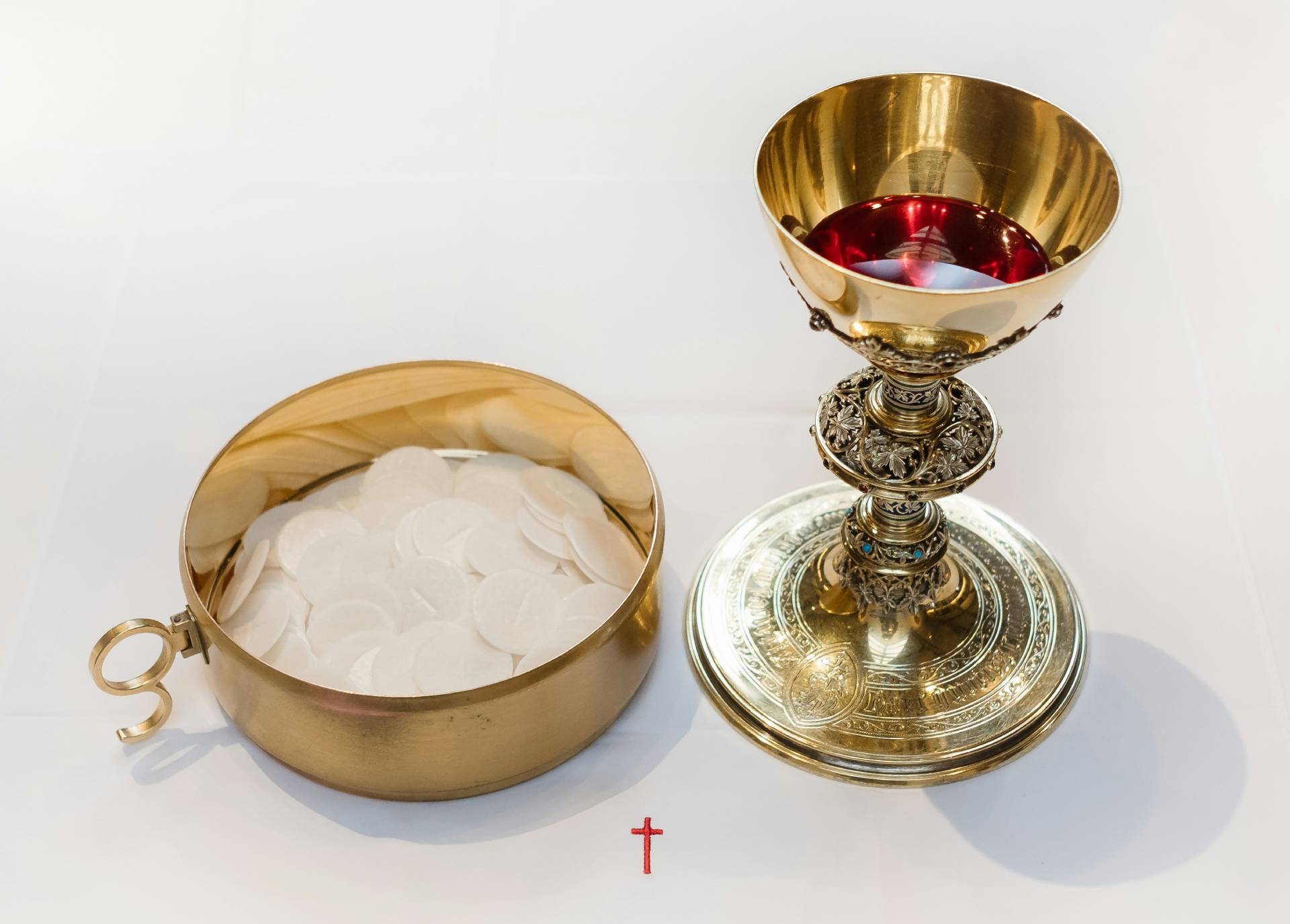
Can Catholics receive Communion at Protestant services? Generally no. Catholic teaching holds that sharing the Eucharist presupposes sharing the same faith. Since Protestants do not share the Catholic understanding of the Eucharist, Real Presence, and Holy Orders, intercommunion is not appropriate as a general practice (CCC 1400).
Can Protestants receive Communion at Catholic Mass? Generally no — for the same reasons. Non-Catholic Christians may receive Communion in grave necessity if they believe what the Church believes about the Eucharist and cannot obtain it from a minister of their own community (CCC 1401).
May the Lord bless you and keep you.
Browse
All glossary terms
Join the community
Subscribe to our weekly newsletter for curated inspiration, delivered to your inbox.
We never share your data. See Privacy Policy for more info.