










































1 min read
Grace
Grace is God's free, undeserved gift of his own divine life — never earned, always given out of love — the foundation of every Christian's relationship with God.
Grace is the free and undeserved gift by which God shares his own divine life with us — not earned by human effort, but given freely out of his love and goodness (CCC 1996).
Grace Cannot Be Earned
No one can merit grace before receiving it. "By grace you have been saved through faith — and this is not your own doing; it is the gift of God" (Ephesians 2:8). Grace is always and entirely gift — though human cooperation is necessary, the initiative always belongs to God (CCC 2005).
Sanctifying Grace
Sanctifying grace (habitual grace) is a permanent supernatural gift that heals our nature wounded by sin and makes us sharers in the divine life of the Trinity. It makes us pleasing to God and capable of meritorious acts. It is lost through mortal sin and restored through the Sacrament of Reconciliation (CCC 1999–2000).
Actual Grace
Actual graces are specific divine interventions — interior inspirations and promptings — by which God moves us to pray, repent, do good, and persevere. They are not permanent states but particular helps given for particular moments (CCC 2000).
Grace and the Sacraments
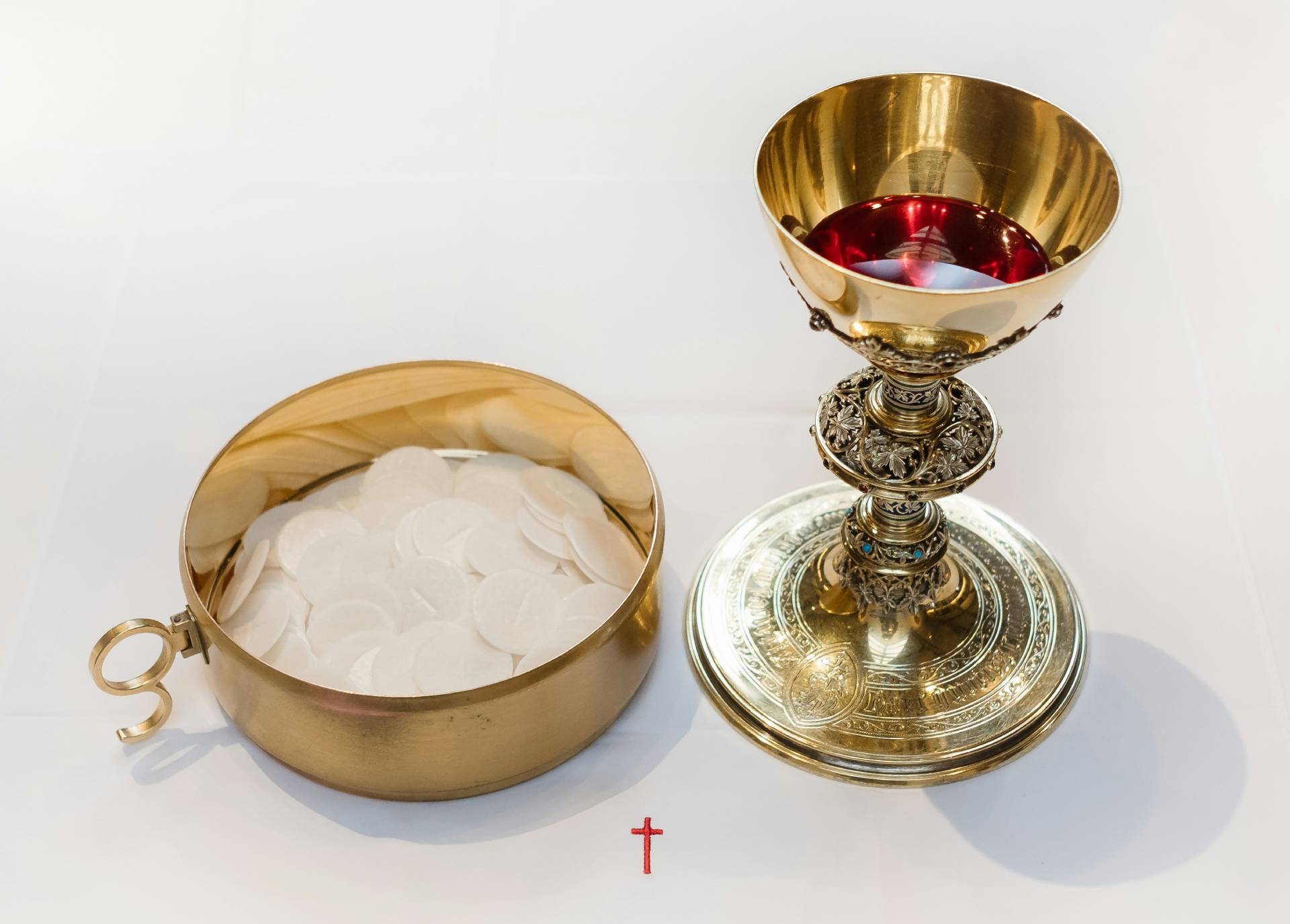
The seven sacraments are the primary ordinary means by which God dispenses grace — each conferring the specific grace proper to it: Baptism gives the grace of new birth; the Eucharist nourishes the divine life; Reconciliation restores grace after mortal sin (CCC 1131).
Frequently Asked Questions
Can someone outside the Church receive grace? Yes. God's grace is not restricted to the visible boundaries of the Catholic Church. God can give grace to those who seek him sincerely, though the fullness of the means of grace exists within the Church (CCC 819, 1260).
May the Lord bless you and keep you.
Browse
All glossary terms
Join the community
Subscribe to our weekly newsletter for curated inspiration, delivered to your inbox.
We never share your data. See Privacy Policy for more info.