























1 min read
Providence
Providence is God's continuous governance of all creation — sustaining every creature in being and guiding all events toward their ultimate end in his wisdom and love.
Divine Providence refers to the dispositions by which God guides all of creation toward its ultimate end with wisdom and love. God not only creates the world — he continuously sustains, governs, and directs every creature and every event toward the fulfillment of his plan (CCC 302).
God Governs All Things
Not a sparrow falls to the ground without the Father's knowledge (Matthew 10:29). Nothing in creation falls outside God's knowledge or governance. He sustains every creature in existence and works all things together toward the good of those who love him (Romans 8:28; CCC 302–303).
Providence and Secondary Causes
God governs the world not by bypassing the laws of nature or overriding human freedom, but through them — working through secondary causes. He brings about his purposes through natural events, human choices, and even sin, without violating freedom or nature (CCC 306–308).
Providence and Evil
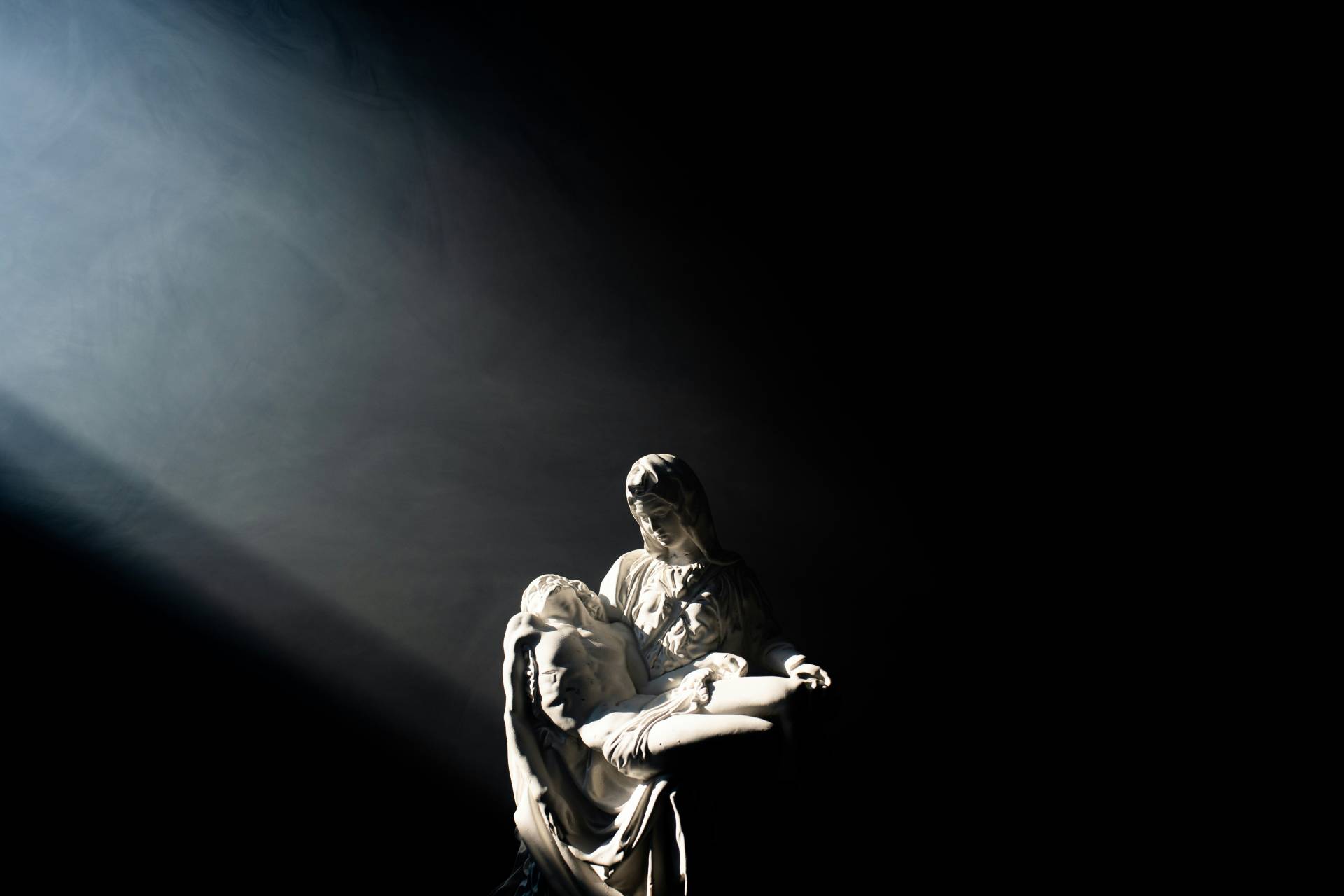
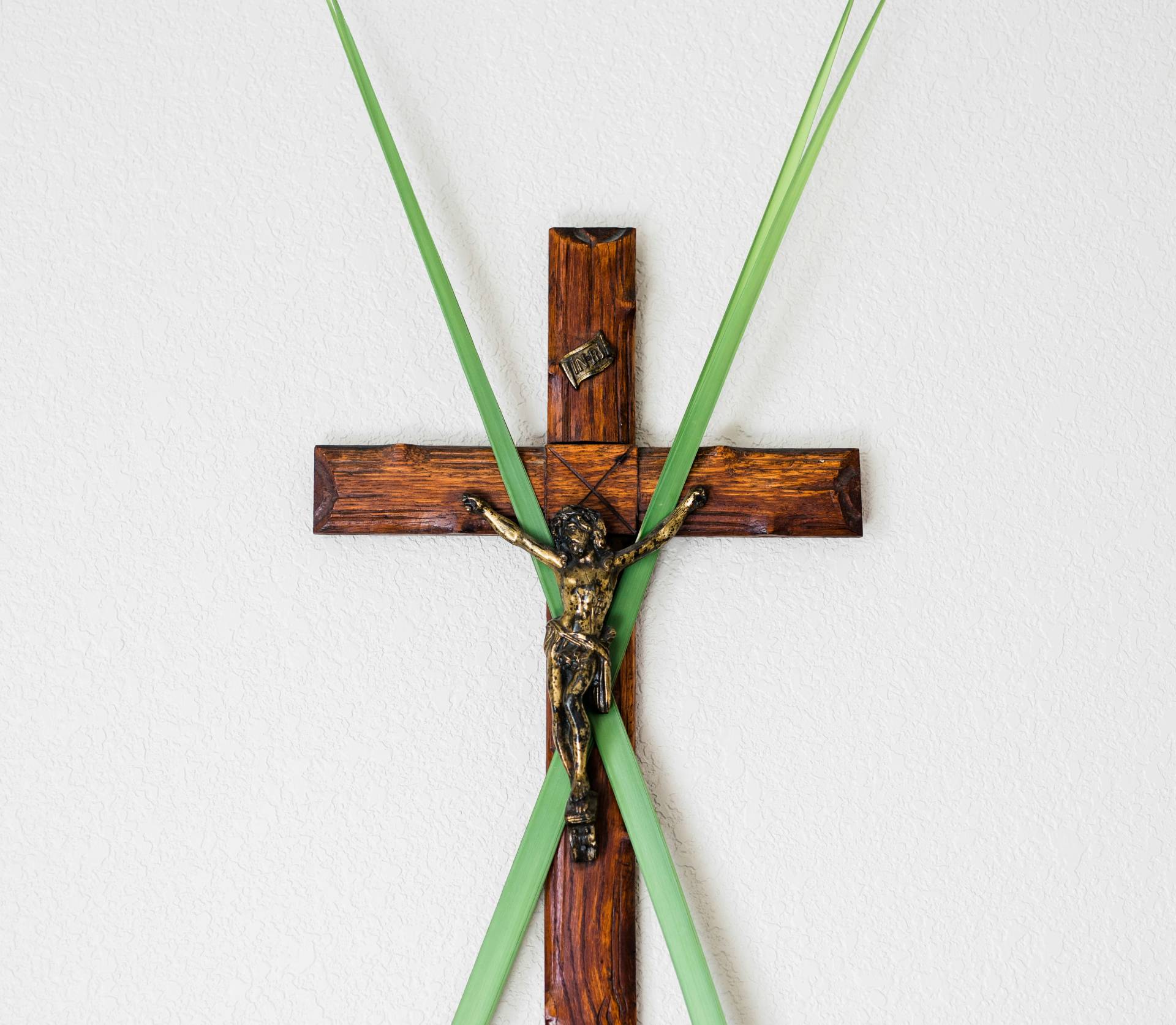
The existence of evil and suffering is the greatest challenge to belief in Providence. The Church points to Christ crucified — God who entered suffering rather than explained it from a distance — and to the promise that God will bring all things to their proper end (CCC 309–314).
Frequently Asked Questions
Does Providence mean everything that happens is God's will? No. God's will is not identical to everything that happens. God permits things he does not will — including sin and suffering — while never losing sovereignty over the final outcome. The distinction between God's antecedent will and his permissive will is important here (CCC 311).
May the Lord bless you and keep you.
Browse
All glossary terms
Join the community
Subscribe to our weekly newsletter for curated inspiration, delivered to your inbox.
We never share your data. See Privacy Policy for more info.