











1 min read
Psalms
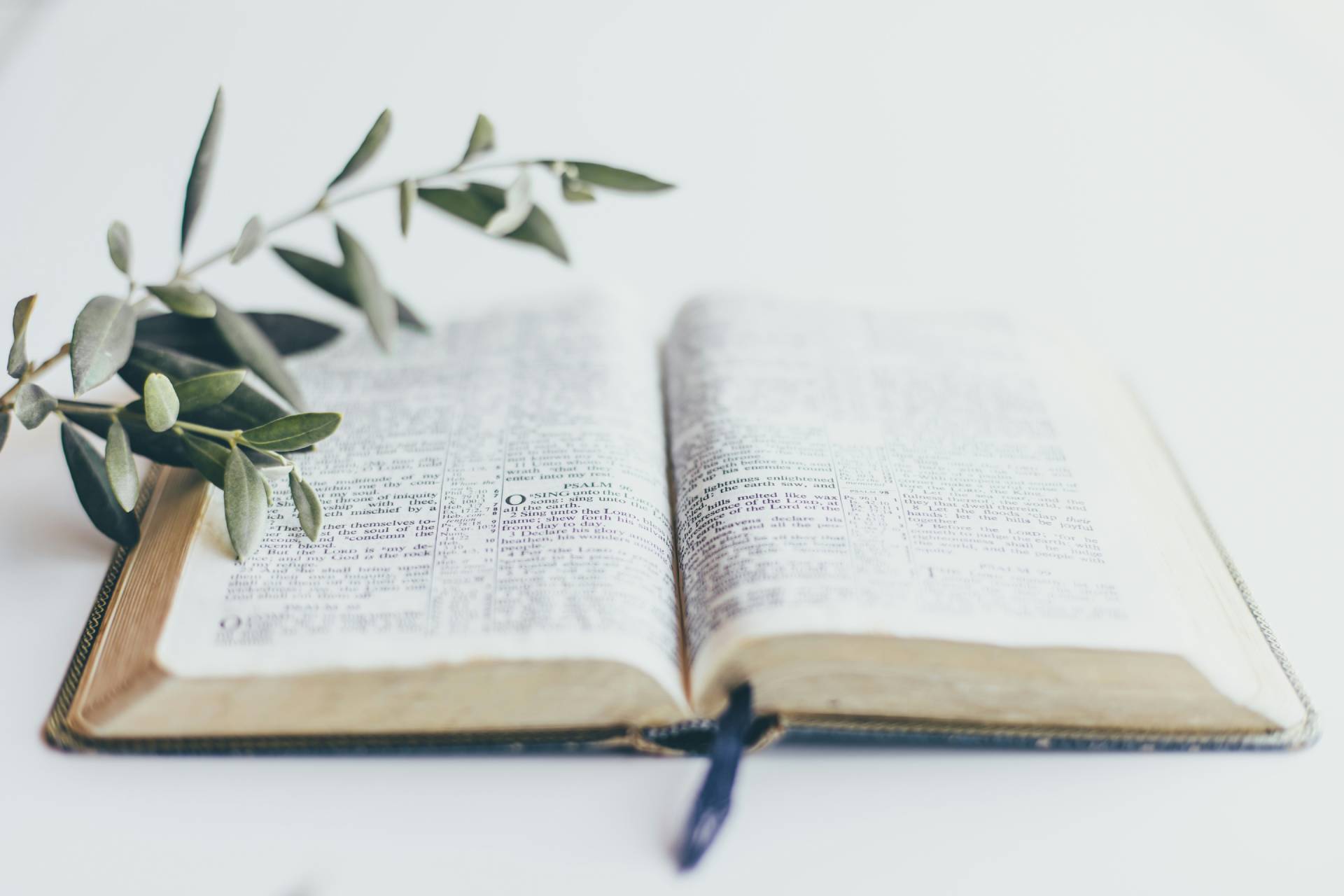
The Psalms are the 150 sacred poems of the Old Testament — the prayer of Israel, of Jesus, and of the Church — expressing the full range of human experience before God.
The Psalms are a collection of 150 sacred poems and songs in the Old Testament, composed over several centuries, that express the full range of human experience before God — praise, thanksgiving, lamentation, petition, and trust. They have been the primary prayer of both Israel and the Church from the time of Jesus to the present (CCC 2585–2589).
What the Psalms Are
The Psalms are simultaneously human words and the Word of God — expressing genuine human emotion and experience while being inspired by the Holy Spirit. They are not primarily doctrinal statements but prayers: cries to God from the depths of suffering, shouts of praise at his wonders, confessions of sin, and expressions of longing for his presence (CCC 2585).
Jesus and the Psalms
The Psalms were the prayer book of Jesus. He prayed them at synagogue, at the Temple, and at the Last Supper. His last words from the cross — "My God, my God, why have you forsaken me?" (Matthew 27:46) and "Into your hands I commend my spirit" (Luke 23:46) — are both Psalm quotations (Psalms 22:1 and 31:5). The Psalms are the prayer of Christ and in Christ (CCC 2586).
The Psalms in the Church's Prayer
The Psalms are the backbone of the Liturgy of the Hours — the Church's official daily prayer. All 150 Psalms are prayed over the course of four weeks. They are also central to the Mass and to the ancient tradition of lectio divina (CCC 2587).
Frequently Asked Questions
Who wrote the Psalms? Many Psalms are attributed to David, who was himself a poet and musician. Others are attributed to Asaph, the sons of Korah, Solomon, Moses, and anonymous authors. The collection reflects the prayer life of Israel over many centuries (CCC 2579, 2585).
May the Lord bless you and keep you.
Browse
All glossary terms
Join the community
Subscribe to our weekly newsletter for curated inspiration, delivered to your inbox.
We never share your data. See Privacy Policy for more info.