Apologetics She Chose First — Free Will and Divine Foreknowledge Mary was not chosen and then asked. She was asked because God already knew her answer — and loved her enough to build the salvation of the world around it. Brian Acebo · Apr 10, 2026
Apologetics Eight Words That Prove Everything: What Gabriel's Greeting Reveals About Mary Compressed inside eight words is the complete theological foundation for three Marian doctrines and three teachings that Catholics have believed and defended for two thousand years. Brian Acebo · Apr 10, 2026
Apologetics Why Mary Could Not Stay Dead: The Assumption as Theological Inevitability The Assumption of Mary is one of the most misunderstood doctrines in all of Catholic teaching. Not because it is complicated. Because it is almost always presented in the wrong direction. Brian Acebo · Apr 10, 2026
Apologetics The Vessel and the Presence: Why the Immaculate Conception Is a Theological Necessity The Immaculate Conception is already there, fully present, in the first word Gabriel spoke. Brian Acebo · Apr 10, 2026
Apologetics She Chose First — Free Will and Divine Foreknowledge Mary was not chosen and then asked. She was asked because God already knew her answer — and loved her enough to build the salvation of the world around it. Brian Acebo · Apr 10, 2026
Apologetics Eight Words That Prove Everything: What Gabriel's Greeting Reveals About Mary Compressed inside eight words is the complete theological foundation for three Marian doctrines and three teachings that Catholics have believed and defended for two thousand years. Brian Acebo · Apr 10, 2026
Apologetics Why Mary Could Not Stay Dead: The Assumption as Theological Inevitability The Assumption of Mary is one of the most misunderstood doctrines in all of Catholic teaching. Not because it is complicated. Because it is almost always presented in the wrong direction. Brian Acebo · Apr 10, 2026
Apologetics The Vessel and the Presence: Why the Immaculate Conception Is a Theological Necessity The Immaculate Conception is already there, fully present, in the first word Gabriel spoke. Brian Acebo · Apr 10, 2026
Apologetics "The Lord Is With You": A Significant Misreading of Scripture Most people who have prayed the Hail Mary their entire lives read the third part of Gabriel's greeting as a warm reassurance. It is one of the most significant misreadings in all of Scripture. Brian Acebo · Apr 10, 2026
Apologetics Kecharitōmenē: The Word God Uses to Describe His Reconciled People There is a word in the New Testament that appears exactly twice. Only twice, across every letter, every Gospel, every epistle, every prophecy in the entire canon of Scripture. Brian Acebo · Apr 10, 2026
Apologetics What Gabriel Actually Called Mary: The Deepest Meaning of "Full of Grace" Gabriel wasn't offering a greeting in any conventional sense. He was making a statement about the nature of Mary's very existence Brian Acebo · Apr 10, 2026
Apologetics The Hail Mary: A Royal Greeting from Heaven The Hail Mary is not merely a prayer. It is a royal proclamation, a heavenly greeting, and a theological declaration packed into thirty-five words. Brian Acebo · Apr 7, 2026
Faith & Reason The Reliability of the Bible: The Historicity Of Sacred Scripture Before we ask whether Jesus is truly God, we must answer a deeper question: Can the Bible be trusted at all? After all, the entire Christian faith relies on the historicity and validity of Jesus Christ, which is preserved through Sacred Scripture. Brian Acebo · Jun 26, 2025
Faith & Reason How The Enemy Seeks To Deceive & Distract The ultimate goal of the enemy is to do anything in their power to take you away from God. Brian Acebo · Jun 25, 2025
Faith & Reason God's Intelligent Design Just as technology requires intelligent design to function, our lives require God's presence to have true meaning. Praying often strengthens our relationship with God, allowing Him to guide us on the path to salvation through Jesus Christ. Brian Acebo · Jun 25, 2025
Faith & Reason Arguing For God's Revelations While there is sufficient reasoning through logical analysis for the existence of God, the only hard proof that could answer this question is for God Himself to reveal the truth, essentially revealing Himself to the world. Brian Acebo · Jun 25, 2025
Faith & Reason Evidence For The Existence Of God God is not merely a matter of faith but a logical necessity grounded in reason. One can prove God's existence through rational analysis and natural reasoning. One does not need to take on faith. Brian Acebo · Jun 25, 2025
Apologetics Spiritual But Not Religious Many people today identify as spiritual but not religious (SBNR), meaning they believe in a supernatural or spiritual dimension but do not adhere to any specific religious tradition. Brian Acebo · Jun 25, 2025
Faith & Reason The Assumption Of Faith Faith is integral to human understanding, influencing science and religion by shaping how we interpret reality, from trusting historical records and scientific principles to exploring spiritual beliefs. This article will cover the reasoning for faith in the supernatural. Brian Acebo · Jun 25, 2025
Faith & Reason The True Goal of Religion: Why Christianity Deserves Our Deepest Examination At its heart, religion is not about moral rules, community activities, or spiritual practices — though these may accompany it. The true purpose of religion is to heal the severed relationship between Creator and creature. Brian Acebo · Jun 25, 2025
Faith & Reason Why Catholicism Is the True Religion: A Journey Through the Evidence Catholicism is not just one denomination among many, nor is it merely a system of tradition and ritual. It is the original Church founded by Jesus Christ, safeguarded for two thousand years, and offered to the world as the one true path to union with God. Brian Acebo · Jun 25, 2025

Apologetics The Eucharist: Jesus' Most Important Teaching Through the Eucharist, believers actively participate in their faith, becoming living temples of the Holy Spirit and participating in God's eternal covenant. Brian Acebo · May 28, 2025
Scripture John 6:51 This powerful verse from John 6:51 is part of Jesus' Bread of Life discourse, a deeply theological and prophetic teaching that reveals His role as the true source of eternal life. Brian Acebo · Apr 17, 2025
Apologetics The Problem Of Evil Though the problem of evil remains a mystery, we can trust that God allows suffering to bring about a greater purpose, whether spiritual growth, justice, love, or eternal reward. Brian Acebo · Apr 16, 2025

Scripture Matthew 21:43 This verse from Matthew 21:43 is part of a parable Jesus tells to expose the religious leaders' rejection of Him and to announce a major shift in God's redemptive plan. Brian Acebo · Apr 16, 2025
Prayer & Spiritual Life The Chaplet Of Divine Mercy The Chaplet of Divine Mercy is not merely a recitation of words but a spiritual exercise of trust, intercession, and surrender to God's overwhelming mercy. Brian Acebo · Apr 16, 2025

Prayer & Spiritual Life Hail Mary The Hail Mary is one of the most cherished prayers in the Catholic tradition. It is a prayer of love, veneration, and humble petition. Brian Acebo · Apr 16, 2025
Prayer & Spiritual Life Glory Be The "Glory Be" — also known as the Doxology — is one of the shortest yet most profound prayers in the Christian tradition. Brian Acebo · Apr 16, 2025

Prayer & Spiritual Life O My Jesus The "O My Jesus" prayer encapsulates the heart of the Gospel message — mercy, salvation, and the universal call to holiness. Brian Acebo · Apr 16, 2025
Prayer & Spiritual Life The Lord's Prayer: A Summary Of Christian Prayer The Lord's Prayer, also known as the Our Father, is the fundamental prayer taught by Jesus to His disciples. It is regarded as the most perfect prayer, encapsulating the essence of the Gospel. Brian Acebo · Apr 16, 2025

Catechism & Doctrine Prayer and Worship It is through prayer that the mystery of faith becomes a lived experience. In worship, we are not only conformed to Christ, but we also begin to live in Him, with Him, and through Him. Brian Acebo · Mar 21, 2025

Scripture Proverbs 19:17 Proverbs 19:17 teaches a powerful principle about generosity, divine justice, and faith. Brian Acebo · Mar 20, 2025

Scripture Psalms 59:16 Psalms 59:16 is a powerful expression of faith, gratitude, and reliance on God's protection. Brian Acebo · Mar 20, 2025
Apologetics A Stone Too Heavy For God? Whether God can create a stone too heavy for Him to lift is based on a misunderstanding of omnipotence and commits a straw man fallacy, which distorts an argument to make it easier to attack. Brian Acebo · Mar 20, 2025
Apologetics It's Pointless To Pray? By praying, we grow in faith, love, and compassion, strengthening our connection with God and our relationships with others. Brian Acebo · Mar 20, 2025
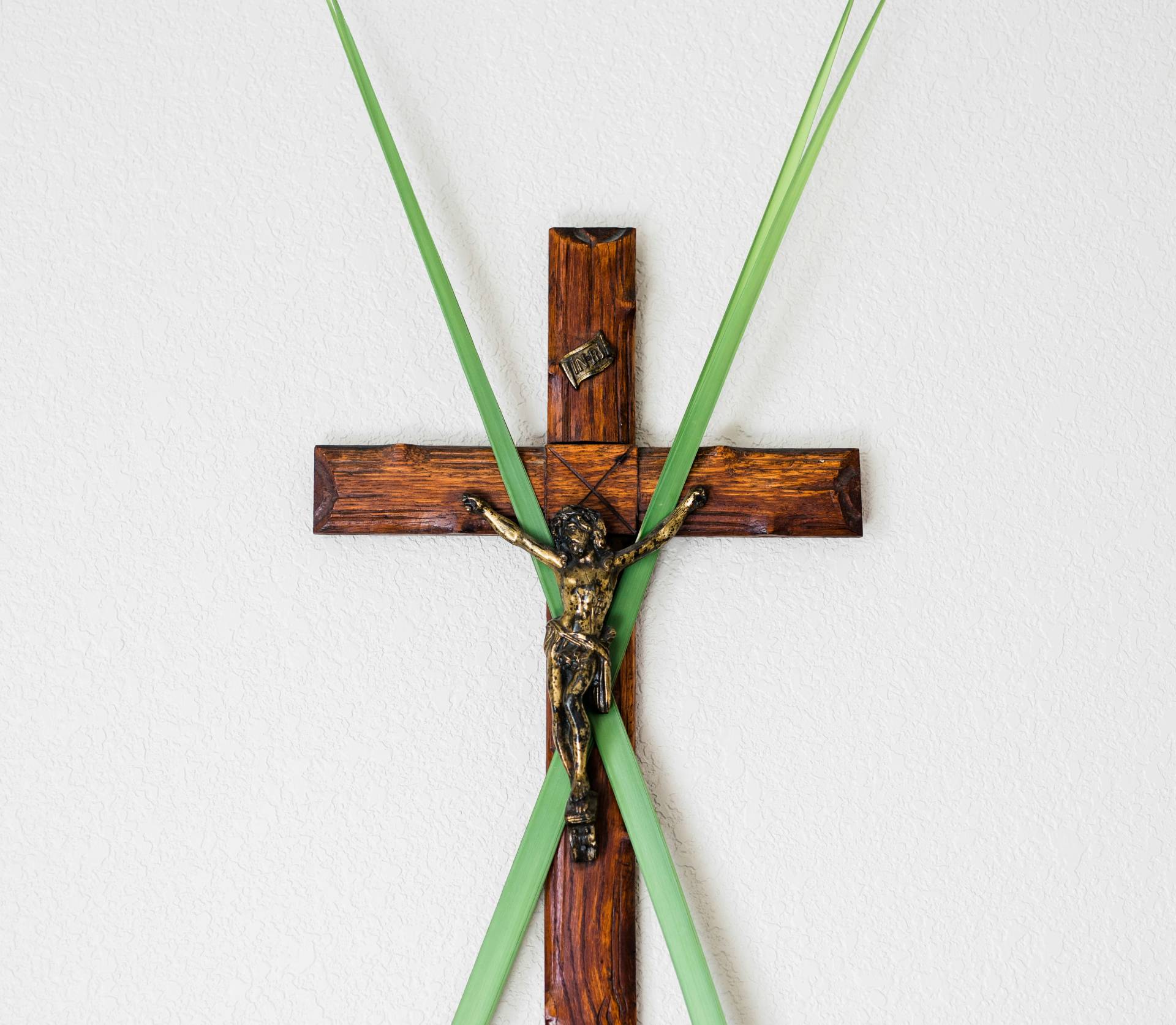
Apologetics Why Can't God Save Us Without Jesus Jesus' death on the cross was not just about paying a price — it was about transforming us, drawing us back to God, and demonstrating the depth of His love. Brian Acebo · Mar 20, 2025
Scripture Revelations 7:9-10 This passage from Revelation 7:9-10 presents a powerful vision of unity, worship, and salvation. It describes a scene of heavenly praise, revealing key themes about God's redemptive plan for humanity. Brian Acebo · Mar 20, 2025

Apologetics Sola Scriptura Sola Scriptura is self-defeating and cannot be proven by Scripture alone. Christianity was never meant to be based on individual interpretation but on the teachings of Jesus passed down through His apostles and their successors. Brian Acebo · Mar 20, 2025

Scripture Matthew 28:19 This verse from Matthew 28:19, often called the Great Commission, is one of the most significant instructions Jesus gave to His followers. It serves as a command for spreading the gospel and making disciples worldwide. Brian Acebo · Mar 20, 2025

Scripture Hebrews 13:8 Hebrews 13:8 is a powerful declaration of the unchanging nature of Jesus Christ, reassuring believers that His character, love, and authority remain constant throughout all time. Brian Acebo · Mar 20, 2025
Apologetics Miracles Are Impossible Rarity does not equal impossibility. Just because miracles are uncommon or not easily detectable does not mean they cannot happen. Brian Acebo · Mar 20, 2025
Scripture Galatians 5:25 Galatians 5:25 highlights the relationship between faith and daily life, urging believers to align their actions with the guidance of the Holy Spirit. Brian Acebo · Mar 20, 2025
Scripture Philippians 4:9 Philippians 4:9 calls believers to consistent faithfulness and reminds them of God's presence in their lives. Brian Acebo · Mar 20, 2025
Scripture Philippians 1:21 Philippians 1:21 is one of Paul's most profound statements about the Christian life and eternity. It reflects his deep devotion to Christ and his unwavering faith, even in the face of death. Brian Acebo · Mar 20, 2025
Catechism & Doctrine What Is The Catechism Of The Catholic Church? The Catechism of the Catholic Church (CCC) is a foundational text for understanding Catholic doctrine, worship, and morality. Brian Acebo · Mar 20, 2025
Glossary Temperance Temperance is the cardinal virtue that moderates the attraction of pleasures and balances the use of created goods — ordering natural desires by reason rather than suppressing them or surrendering to them.
Glossary The Agony in the Garden The Agony in the Garden is Jesus's prayer in Gethsemane on the night of his arrest — the moment of supreme obedience in which he accepted the Father's will despite genuine human fear.
Glossary The Angelus The Angelus is the traditional Catholic prayer prayed three times daily commemorating the Annunciation — pausing to remember the moment the Word became flesh in Mary's womb.
Glossary The Annunciation The Annunciation is Gabriel's announcement to Mary that she was chosen to be the Mother of God — and her fiat, the free consent that made the Incarnation possible.
Glossary The Annunciation to the Shepherds The Annunciation to the Shepherds is the angel's proclamation of Christ's birth to the lowly shepherds of Bethlehem — revealing the Gospel as good news to the poor and marginalized.
Glossary The Apostles The Apostles are the twelve men Jesus chose and sent to preach the Kingdom, baptize, and found the Church — their authority transmitted to the bishops through apostolic succession.
Glossary The Ark of Noah The Ark of Noah is the vessel that preserved Noah's family through the flood — a type of the Church (which carries the faithful to safety) and of Baptism (which passes through the waters of death to new life).
Glossary The Ark of the Covenant The Ark of the Covenant was the sacred chest housing the Tablets of the Law — the throne of God's presence among Israel and a type of Mary, who carried the Word of God made flesh.
Glossary The Ascension The Ascension is Christ's entry into heavenly glory forty days after the Resurrection — the completion of his earthly mission and the beginning of his heavenly intercession for the Church.
Glossary The Assumption of Mary The Assumption is the dogma that Mary was taken body and soul into Heaven at the end of her earthly life, sharing fully in her Son's Resurrection.
Glossary The Babylonian Exile The Babylonian Exile (597–538 BC) was Israel's greatest trauma — the destruction of the Temple and deportation to Babylon — interpreted as divine judgment but also as the occasion for prophetic hope and spiritual renewal.
Glossary The Baptism of Jesus The Baptism of Jesus is the event at the Jordan River where the Holy Trinity was revealed — the Father's voice, the Son in the water, the Spirit as a dove — inaugurating Christ's public ministry.
Glossary The Beatific Vision The Beatific Vision is the direct, face-to-face knowledge and love of God in Heaven — the supreme happiness for which every human being was created and the goal of the entire Christian life.
Glossary The Beatitudes The Beatitudes are Christ's teachings in the Sermon on the Mount on the way to true happiness — paradoxical declarations that describe the character of the Kingdom of God.
Glossary The Beatitudes (Luke) Luke's Beatitudes are the four blessings and four woes of the Sermon on the Plain — addressing the poor, hungry, weeping, and persecuted directly, revealing God's preferential love for the lowly.
Glossary The Book of Job The Book of Job is the Old Testament's profound exploration of innocent suffering — in which Job's honest prayer before God is vindicated and the encounter with God transcends every explanation.
Glossary The Book of Wisdom The Book of Wisdom is a deuterocanonical book celebrating divine Wisdom, the immortality of the righteous, and the refutation of idolatry — found in Catholic Bibles but not Protestant editions.
Glossary The Cardinal Virtues The four cardinal virtues — Prudence, Justice, Fortitude, and Temperance — are the hinge virtues upon which all moral virtue depends, disposing the person to live rightly.
Glossary The Catholic Church The Catholic Church was founded by Jesus Christ — one, holy, catholic, and apostolic — as the ordinary means through which Christ makes his saving grace available to the world.
Glossary The Catholic Church The Catholic Church is the one, holy, catholic, and apostolic assembly of the faithful, founded by Jesus Christ to be the instrument of salvation.
Glossary The Cenacle The Upper Room in Jerusalem where the Last Supper was celebrated and where the Holy Spirit descended at Pentecost.
Glossary The Chaplet of Divine Mercy The Chaplet of Divine Mercy is the devotional prayer revealed to St. Faustina — prayed on rosary beads, focusing on Christ's Passion as the source of divine mercy — approved and promoted by the Church.
Glossary The Church Fathers The Church Fathers were the influential theologians and bishops of the early centuries of the Church whose teachings helped to define Christian doctrine.
Glossary The Common Good The Common Good is the sum total of social conditions which allow people, either as groups or as individuals, to reach their fulfillment more fully and more easily.
Glossary The Communion of Saints The Communion of Saints is the unity of all the redeemed — on earth, in Purgatory, and in Heaven — all united in Christ and able to help one another through prayer and charity.
Glossary The Consecrated Life The consecrated life is the public profession of the evangelical counsels of poverty, chastity, and obedience — a permanent state of life ordered entirely to God and his Kingdom.
Glossary The Corporal Works of Mercy The corporal works of mercy are seven concrete acts of charity toward the bodily needs of others — feeding the hungry, clothing the naked, visiting the sick, and more — in service of Christ in the poor.
Glossary The Creed The Creed is the summary of Christian faith — 'I believe' — professed by the whole Church. The Apostles' Creed and Nicene Creed are the two principal Catholic creeds.
Glossary The Cross The cross is the instrument of Christ's death and the central symbol of Christianity — the place where the Son of God offered the perfect sacrifice for the salvation of humanity.
Glossary The Crucifixion The Crucifixion is the historical death of Jesus on the cross — not a tragedy but the fulfillment of God's saving plan, the perfect sacrifice that accomplished the redemption of all humanity.
Glossary The Davidic Kingdom The Davidic Kingdom is the monarchy of Israel under King David, prefiguring the eternal Kingdom of Christ.
Glossary The Davidic Kingdom The Davidic Kingdom is the golden age of Israel's monarchy — the fulfillment of God's covenant with David of an eternal throne, which finds its definitive fulfillment in Jesus Christ, Son of David.
Glossary The Decalogue The Decalogue — the Ten Commandments — is the foundational moral law given by God to Moses, expressing the essential duties of every human person toward God and neighbor.
Glossary The Deposit of Faith The Deposit of Faith is the totality of divine revelation — Scripture and Tradition — entrusted by Christ to the Apostles and handed on through the Church for all generations.
Glossary The Deuterocanon The seven books of the Old Testament found in the Catholic Bible but not in the Hebrew canon.
Glossary The Diaspora The Diaspora is the scattering of Jewish communities outside Israel — the context in which much of late Scripture was written and the world into which Jesus was born, prepared for the Gospel.
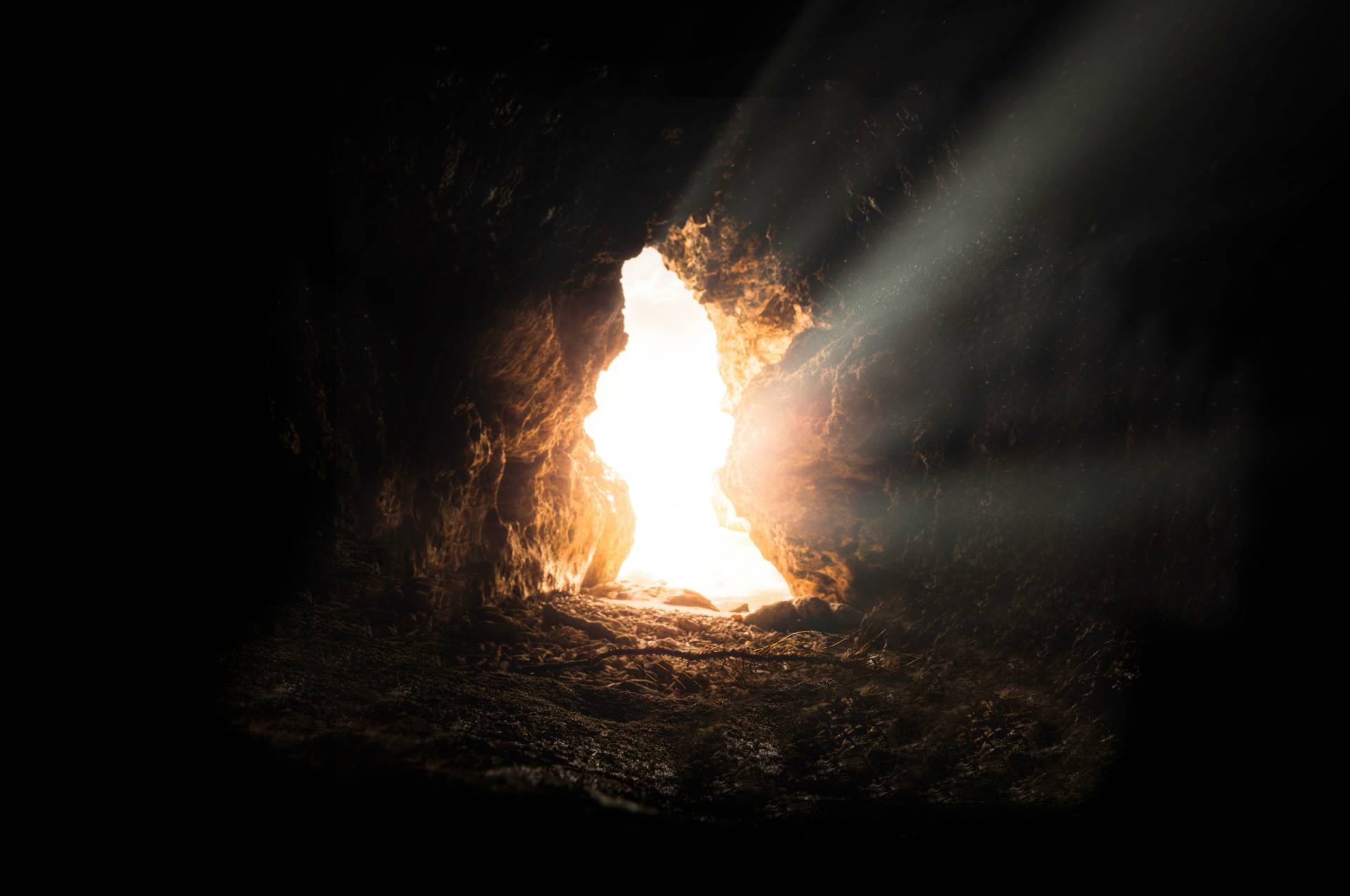
Glossary The Empty Tomb The tomb of Joseph of Arimathea where Jesus was buried and from which He rose on the third day.
Glossary The Epiphany The Epiphany is the feast of the Magi's visit — the manifestation of Christ to the Gentiles, revealing that Jesus is the Savior not just of Israel but of all nations.
Glossary The Eucharist The Eucharist is the sacrament of Christ's true presence — Body, Blood, Soul, and Divinity — under the appearances of bread and wine. It is the source and summit of Christian life.
Glossary The Exodus The Exodus is God's great liberation of Israel from slavery in Egypt — the defining event of the Old Covenant and a type of the redemption accomplished by Jesus Christ.
Glossary The Exodus (Event) The Exodus is God's great liberation of Israel from Egypt — the foundational event of the Old Covenant and a comprehensive type of Christian redemption: Baptism, Eucharist, and eternal life.
Glossary The Fall of Man The Fall of Man is Adam and Eve's disobedience in the Garden of Eden — the primeval sin that wounded human nature, introduced death, and separated all humanity from God.
Glossary The Fall of Man The Fall of Man is the event in which Adam and Eve disobeyed God and lost their original holiness.
Glossary The Fiat The Fiat is Mary's 'let it be done to me according to your word' at the Annunciation — the pivotal act of free human cooperation that made the Incarnation possible, and the model for every Christian life.
Glossary The Finding in the Temple The Finding in the Temple is the twelve-year-old Jesus found among the teachers — his first recorded words revealing his consciousness of the Father and foreshadowing the three days before the Resurrection.
Glossary The Flight into Egypt The Flight into Egypt is the Holy Family's escape from Herod's massacre — recapitulating the Exodus and fulfilling the prophecy 'Out of Egypt I called my son.'
Glossary The Fruits of the Holy Spirit The fruits of the Holy Spirit — charity, joy, peace, patience, kindness, and others — are the perfections the Spirit produces in souls open to his grace, first fruits of eternal glory.
Glossary The Gifts of the Holy Spirit The seven gifts of the Holy Spirit — wisdom, understanding, counsel, fortitude, knowledge, piety, and fear of the Lord — are permanent dispositions that make the soul responsive to God.
Glossary The Glory Be The Glory Be is the brief Trinitarian doxology — 'Glory be to the Father, and to the Son, and to the Holy Spirit' — one of the oldest prayers in Christian liturgy, concluding each Psalm and Rosary decade.
Glossary The Golden Calf The Golden Calf is the idol Israel fashioned at Sinai while Moses received the Law — the defining example of apostasy and idolatry in the Old Testament, breaking the covenant at its inception.
Glossary The Golden Rule The Golden Rule is the ethical principle given by Jesus to treat others as one would wish to be treated, summarizing the Law and the Prophets.
Glossary The Good Shepherd The Good Shepherd is Jesus's self-designation identifying him as the fulfillment of God's promised care for his people — who knows each sheep by name and lays down his life for them.
Glossary The Great Commission The command given by the Risen Christ to His Apostles to preach the Gospel and baptize all nations.
Glossary The Greatest Commandments The Greatest Commandments are the two-fold summary of the Law given by Jesus: to love God with all one's heart and to love one's neighbor as oneself.
Glossary The Hail Mary The Hail Mary is the Church's most beloved prayer to Mary — drawn from Scripture and ending with a petition for her intercession, especially at the hour of death.
Glossary The Holy Innocents The Holy Innocents are the infant boys slaughtered by Herod in his attempt to kill the Messiah — venerated by the Church as the first martyrs, who died for Christ without knowing him.
Glossary The Holy of Holies The innermost sanctuary of the Tabernacle and Temple where God's presence dwelt above the Ark of the Covenant.
Glossary The Holy Spirit The Holy Spirit is the third Person of the Holy Trinity, the Lord and Giver of Life, who is consubstantial with the Father and the Son.
Glossary The Holy Spirit The Holy Spirit is the third Person of the Trinity — fully God, the Advocate and Sanctifier — who dwells in the Church and in every baptized person in a state of grace.
Glossary The Holy Trinity The Holy Trinity is the central mystery of the Christian faith: one God in three distinct Divine Persons—Father, Son, and Holy Spirit.
Glossary The Holy Trinity The Holy Trinity is the central mystery of Christian faith: one God in three distinct, equal, and eternal Persons — Father, Son, and Holy Spirit.
Glossary The Hypostatic Union The Hypostatic Union is the union of two complete natures — divine and human — in the one divine Person of Jesus Christ, without confusion or separation.
Glossary The Immaculate Conception The Immaculate Conception is the dogma that Mary was preserved from Original Sin from the very first moment of her conception, by a singular grace in view of Christ's merits.
Glossary The Immaculate Conception (Feast) The Feast of the Immaculate Conception on December 8 commemorates the dogma that Mary was preserved from Original Sin from the moment of her conception — a Holy Day of Obligation.
Glossary The Immaculate Heart of Mary The Immaculate Heart of Mary is a title and devotion honoring Mary's perfect love for God and neighbor, her sorrow at sin, and her maternal love for all her spiritual children.
Glossary The Incarnation The Incarnation is the mystery of the Son of God becoming man — taking on full human nature while remaining fully divine — to save us from sin and make us sharers in divine life.
Glossary The Incarnation The Incarnation is the mystery of the union of the divine and human natures in the one Divine Person of the Son of God.
Glossary The Kingdom of God The Kingdom of God is the reign of God's grace and peace, initiated by Jesus and to be fulfilled at the end of time.
Glossary The Kingdom of God The Kingdom of God is God's sovereignty and love made effective in the world — already present in Christ and the Church, awaiting its definitive fulfillment at the end of time.
Glossary The Last Judgment The Last Judgment is God's definitive, universal judgment of all humanity at the end of time — revealing the full meaning of every human life before all of creation.
Glossary The Last Supper The Last Supper is the final meal of Jesus with his Apostles, at which he instituted the Eucharist and the priesthood, and commanded the disciples to serve one another.
Glossary The Last Supper The final meal Jesus shared with His Apostles, where He instituted the Eucharist and Holy Orders.
Glossary The Liturgical Year The liturgical year is the Church's annual cycle of seasons and feasts — Advent, Christmas, Lent, Easter, Ordinary Time — reliving the full mystery of Christ each year.
Glossary The Liturgy of the Hours The Liturgy of the Hours is the Church's official daily prayer — Morning Prayer, Evening Prayer, and other hours — which sanctifies the day and continues Christ's priestly prayer.
Glossary The Lord's Prayer The Lord's Prayer — the Our Father — is the prayer Jesus gave to the Church: a summary of the whole Gospel in seven petitions directed to God the Father.
Glossary The Lord's Prayer (Analysis) The Our Father is the Lord's Prayer — the prayer Jesus gave the Church, a summary of the whole Gospel in seven petitions that model all Christian prayer.
Glossary The Maccabees The Maccabees were the Jewish priests who revolted against the desecration of the Temple — their books containing the clearest Old Testament evidence for the resurrection of the dead and prayers for the dead.
Glossary The Magisterium The Magisterium is the Church's living teaching authority — the Pope and bishops — which authentically interprets Scripture and Tradition on matters of faith and morals.
Glossary The Magisterium The Magisterium is the living teaching office of the Church, consisting of the Pope and the bishops in communion with him.
Glossary The Magnificat The Magnificat is Mary's hymn of praise at the Visitation — proclaiming God's preferential love for the lowly and hungry, prayed daily at Evening Prayer in the Church's Liturgy of the Hours.
Glossary The Mass The Mass is the Eucharistic sacrifice of the Church, the memorial of Christ's Passover made present through the ministry of the priest.
Glossary The Mass The Mass is the central act of Catholic worship — the Eucharistic celebration in which Christ's sacrifice on Calvary is made present and the faithful receive him in Communion.
Glossary The Messiah The Messiah — the Anointed One — is the king, priest, and prophet promised throughout the Old Testament to save God's people. The New Testament proclaims that Jesus of Nazareth is this Messiah.
Glossary The Mount of Olives The mountain east of Jerusalem where Jesus prayed, ascended into heaven, and will return in glory.
Glossary The Nativity of Jesus The Nativity of Jesus is the birth of the Son of God in Bethlehem — born in poverty, in a manger, revealing from his first breath the self-emptying love that would culminate on the cross.
Glossary The New Covenant The eternal relationship between God and humanity established by the Blood of Jesus Christ.
Glossary The New Covenant The New Covenant is the definitive and eternal covenant established by Christ through his blood — the fulfillment of all the Old Testament covenants, sealed at the Last Supper and on the cross.
Glossary The New Jerusalem The New Jerusalem is the eschatological vision of Revelation — the renewed creation and perfect communion of God with his people at the end of time, when all things are made new.
Glossary The Ninety-Five Theses The Ninety-Five Theses are Martin Luther's 1517 propositions challenging indulgence abuses — the traditional starting point of the Protestant Reformation.
Glossary The Old Covenant The series of relationships and promises God established with Israel through the Patriarchs and Moses.
Glossary The Orthodox Church Christian churches recognizing the primacy of the Patriarch of Constantinople.
Glossary The Papacy The Papacy is the supreme ministry of the Pope — successor of St. Peter, Vicar of Christ, and visible head of the Church — as the perpetual principle of unity in faith and governance.
Glossary The Parables The parables are Jesus's characteristic teaching method — short stories from everyday life that reveal the nature of God's Kingdom and confront the hearer with a decision.
Glossary The Paschal Mystery The Paschal Mystery is Christ's Passion, death, Resurrection, and Ascension — the central event of human history that accomplished our redemption and is made present in the Church's liturgy.
Glossary The Passion of Christ The Passion of Christ is the suffering and death of Jesus — from the Last Supper through the crucifixion — the act by which he accomplished the redemption of humanity.
Glossary The Passover The Passover is the Jewish feast commemorating God's deliverance of Israel from Egypt, the type of Christ's Paschal Mystery.
Glossary The Passover The Passover is the Jewish feast commemorating Israel's deliverance from Egypt by the blood of a lamb — the Old Testament type of Christ's sacrifice and the Eucharist, the New Passover.
Glossary The Perpetual Virginity of Mary The Perpetual Virginity of Mary is the dogma that Mary remained a virgin before, during, and after the birth of Jesus — her entire being consecrated to God throughout her earthly life.
Glossary The Precepts of the Church The five precepts of the Church are the minimum obligations of Catholic practice: Sunday Mass, annual Confession, Easter Communion, fasting on appointed days, and supporting the Church.
Glossary The Presentation in the Temple The Presentation in the Temple is the event in which Mary and Joseph consecrated the infant Jesus at the Temple — where Simeon recognized the Messiah and prophesied the sword that would pierce Mary's soul.
Glossary The Problem of Evil The problem of evil asks how an all-good, all-powerful God can permit suffering. The Church's response centers on human freedom, divine providence, and Christ crucified.
Glossary The Promised Land The Promised Land is the land God swore to give to Abraham and his descendants — a historical gift and a type of Heaven, the ultimate inheritance promised to all the children of God.
Glossary The Prophet A prophet is one sent by God to speak his word — calling Israel to covenant fidelity, announcing judgment and hope, and pointing toward the Messiah. Christ is the definitive and final Prophet.
Glossary The Psalms The Psalms are the 150 sacred poems of the Old Testament — the prayer of Israel, of Jesus, and of the Church — expressing the full range of human experience before God.
Glossary The Public Ministry of Jesus The public ministry of Jesus encompasses the three years between his Baptism and his Passion — his preaching, miracles, formation of the Apostles, and progressive revelation of himself as the Son of God.
Glossary The Rapture The Rapture is a Protestant eschatological doctrine of a secret removal of Christians before the end times — not taught by the Catholic Church, which awaits one glorious Second Coming.
Glossary The Resurrection Appearances The Resurrection appearances are the encounters of the risen Jesus with his disciples — historical events that established the apostolic witness and the foundation of Christian faith.
Glossary The Resurrection of Christ The Resurrection of Christ is the historical, bodily rising of Jesus from the dead on the third day — the cornerstone of all Christian faith and the foundation of our hope.
Glossary The Resurrection of the Body The resurrection of the body is the belief that each person's body will be raised at the end of time and reunited with their soul — the same body, transformed and glorified in Christ.
Glossary The Resurrection of the Dead The resurrection of the dead is the belief that at the end of time all souls will be reunited with their bodies — the same body, glorified — and stand before God for the Last Judgment.
Glossary The Road to Damascus The route where Saul of Tarsus experienced a life-changing encounter with the Risen Christ.
Glossary The Rosary The Rosary is a meditative form of prayer in which the faithful contemplate the mysteries of Christ's life through the intercession of Mary — the most beloved Marian devotion.
Glossary The Sabbath The Sabbath is the seventh day of creation set apart as holy — fulfilled for Christians in Sunday, the 'eighth day' of the new creation and the weekly celebration of the Lord's Resurrection.
Glossary The Sacraments The seven sacraments — Baptism, Confirmation, Eucharist, Penance, Anointing of the Sick, Holy Orders, and Matrimony — are efficacious signs of grace instituted by Jesus Christ.
Glossary The Sacred Heart of Jesus The Sacred Heart of Jesus is the devotion to Christ's human heart as the symbol of his infinite love — for the Father and for all humanity — revealed through his Passion and redemption.
Glossary The Sanctity of Human Life The sanctity of human life is the principle that every human life — from conception to natural death — is sacred, a gift from God that may never be deliberately taken.
Glossary The Sea of Galilee The freshwater lake in northern Israel where much of Jesus' public ministry took place.
Glossary The Seal of Confession The Seal of Confession is the absolute, inviolable obligation of secrecy binding every priest who hears a confession — under no circumstances may he reveal what was confessed, under pain of excommunication.
Glossary The Second Coming The Second Coming (Parousia) is the glorious return of Jesus Christ at the end of time to judge all humanity and bring history to its fulfillment in God's Kingdom.
Glossary The See of Peter The chair (cathedra) of St. Peter, representing the authority and office of the Pope in Rome.
Glossary The Sermon on the Mount The major discourse of Jesus in Matthew's Gospel containing the Beatitudes and the New Law.
Glossary The Sermon on the Mount The Sermon on the Mount is Jesus's great discourse in Matthew 5–7 — the charter of Christian life, presenting the New Law that fulfills and deepens the Old through the interior transformation of the heart.
Glossary The Sermon on the Plain The Sermon on the Plain is Luke's account of Jesus's major discourse — containing the four Beatitudes, woes against the rich, and the command to love enemies.
Glossary The Seven Deadly Sins The seven deadly sins — pride, avarice, envy, wrath, lust, gluttony, and sloth — are the capital vices from which all other sins spring, corrupting the soul and disordering its relationship to God.
Glossary The Seven Heavenly Virtues The Seven Heavenly Virtues are the combination of the four cardinal virtues and the three theological virtues that lead to moral perfection in Christ.
Glossary The Sign of the Cross The Sign of the Cross is the foundational gesture of Catholic prayer — tracing the cross while invoking the Trinity — professing both the triune nature of God and the redemption through Christ.
Glossary The Song of Songs The Song of Songs is the Old Testament's celebration of spousal love — read by the Church as an allegory of Christ's love for the Church and God's love for the soul.
Glossary The Soul The soul is the immortal, spiritual principle of the human being — the seat of reason, freedom, and the capacity for God — created directly by God at conception.
Glossary The Spiritual Works of Mercy The spiritual works of mercy are seven acts of charity toward the spiritual needs of others — instructing, counseling, correcting, comforting, forgiving, and praying.
Glossary The State of Grace The state of grace is the condition of a soul possessing sanctifying grace — God's own life poured in at Baptism — by which a person is adopted as God's child, justified, and ordered toward eternal life.
Glossary The State of Grace The state of grace is the condition of being free from mortal sin and possessing the indwelling of the Holy Spirit through sanctifying grace.
Glossary The Supernatural The supernatural is the order of reality that transcends nature — grace, the theological virtues, the sacraments, and the Beatific Vision — the gifts God adds freely beyond what nature alone could achieve.
Glossary The Tabernacle (in church) The Tabernacle is the sacred receptacle in which the Consecrated Host, the Real Presence of Christ, is reserved for the sick and for adoration.
Glossary The Temple The Temple is God's dwelling-place in Jerusalem — the center of Israel's worship — which Jesus identified with himself and which the Church fulfills as the new temple of the Holy Spirit.
Glossary The Temple of Jerusalem The center of Jewish worship and sacrifice where God's presence dwelt among His people.
Glossary The Temptation of Jesus The Temptation of Jesus was his forty-day desert trial by Satan — three temptations that he refused with Scripture, recapitulating Israel's desert failure and succeeding where Adam fell.
Glossary The Theological Virtues The theological virtues — Faith, Hope, and Charity — are God's gifts that orient the soul directly toward God and are the foundation of all Christian moral life.
Glossary The Torah / Pentateuch The Torah or Pentateuch consists of the first five books of the Bible, containing the Law.
Glossary The Tower of Babel The Tower of Babel is the account of humanity's prideful attempt to reach God — resulting in the confusion of languages and the scattering of peoples, reversed at Pentecost.
Glossary The Transfiguration The Transfiguration is the mountain event in which Christ's divine glory was revealed to Peter, James, and John — a foretaste of the Kingdom and confirmation of his identity before the Passion.
Glossary The Transfiguration of Christ The Transfiguration is the mountain revelation of Christ's divine glory before Peter, James, and John — a foretaste of the Kingdom and confirmation of his identity before the Passion.
Glossary The Triduum The Easter Triduum is the three-day liturgical celebration of Holy Thursday, Good Friday, and Holy Saturday through Easter Sunday — the heart of the entire liturgical year.
Glossary The Twelve Apostles The Twelve Apostles were the men chosen by Jesus to be His closest companions and the foundation of His Church.
Glossary The Twelve Tribes of Israel The twelve tribes of Israel — descended from Jacob's twelve sons — are the foundation of God's covenant people in the Old Testament and a type of the twelve Apostles who form the new Israel.
Glossary The Vine and the Branches The Vine and the Branches is Jesus's teaching that Christians live only by union with him — as branches drawing life from the vine — bearing fruit through that union and nothing apart from it.
Glossary The Visitation The Visitation is Mary's journey to her cousin Elizabeth — at whose greeting John the Baptist leapt in the womb — and the occasion of Mary's Magnificat, the Church's great hymn of praise.
Glossary The Wedding at Cana The Wedding at Cana is Jesus's first miracle — turning water into wine at Mary's intercession — which revealed his glory and established Mary as the model of Christian intercession.
Glossary The Wisdom Literature The Wisdom Literature — Proverbs, Job, Ecclesiastes, Song of Songs, Sirach, and Wisdom — is the Old Testament's reflection on how to live well, suffer rightly, and find God in the ordinary course of life.
Glossary The Word of God (Logos) Logos — the Word of God — is John's title for the eternal second Person of the Trinity who became flesh in the Incarnation: 'In the beginning was the Word, and the Word was God.'
Glossary Theophany A theophany is a visible manifestation of God to humankind, such as the burning bush or the cloud on Mount Sinai.
Glossary Theotokos Theotokos — 'Mother of God' — is Mary's formal title defined at the Council of Ephesus (431 AD), affirming that she is the mother of the one divine Person of Jesus Christ.
Glossary Theotokos Theotokos is the Greek title for Mary meaning 'God-bearer,' affirming that her son, Jesus, is truly God.
Glossary Thomas the Apostle Thomas the Apostle refused to believe in the Resurrection without proof — then, encountering the risen Christ, made the most explicit act of faith in the Gospels: 'My Lord and my God!'
Glossary Tobit Tobit is a deuterocanonical book about a righteous Jewish exile whose family story teaches the value of almsgiving, prayer, fasting, the ministry of angels, and God's Providence in suffering.
Glossary Transcendence and Immanence Transcendence means God infinitely surpasses all creation; immanence means he is intimately present within it. Catholic theology holds both in tension — God is beyond all things and close to all things simultaneously.
Glossary Transubstantiation Transubstantiation is the complete change of bread and wine into the Body and Blood of Christ at the Consecration of Mass — while the appearances of bread and wine remain.
Glossary Triduum The Triduum is the three-day liturgical season that celebrates the Passion, Death, and Resurrection of Jesus.
Glossary Typology Typology is the reading of Old Testament persons, events, and things as 'types' — prefigurations that God built into history to point toward their fulfillment in Jesus Christ.
Glossary Typology The study of how persons and events in the Old Testament prefigure and point toward the New Testament.